01
By discipline
What did they shape?
Move through ideas, discoveries, art, leadership, and the people who changed each field.
Chat with AI versions of history's greatest minds, from Einstein and Cleopatra to Darwin, Joan of Arc, and Mansa Musa. Pick anyone below, ask anything, and get answers in their own voice. Browse by era, discipline, and region — 140+ figures and counting.
Browse by Topic
Pick a lane — philosophers, rulers, scientists — or wander by the age and place that fascinates you most.
By discipline
Move through ideas, discoveries, art, leadership, and the people who changed each field.
By time
Step into a period and meet the voices that defined its questions, conflicts, and breakthroughs.
By place
Explore connected histories across continents instead of treating the past as a single timeline.
Featured
The most asked-for figures — good first conversations if you're new here.
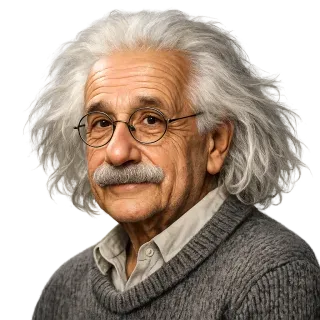
The dreamer who bent space, stretched time, and changed everything
Explore Einstein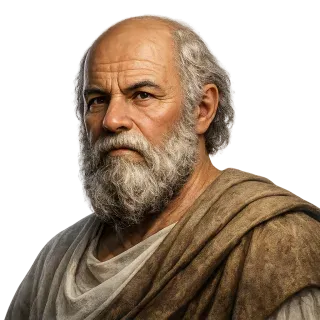
The barefoot questioner who taught Athens to think, and died rather than stop
Explore Socrates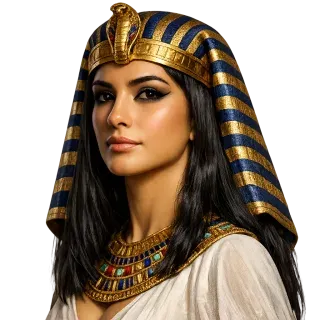
The last pharaoh who wielded intelligence, wealth, and alliance to keep Egypt independent for two decades against the inexorable expansion of Rome.
Explore Cleopatra VII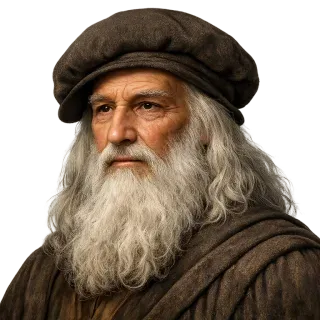
The ultimate Renaissance man: artist, inventor, scientist, dreamer
Explore Leonardo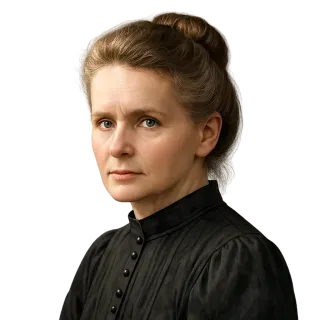
The scientist who discovered radioactivity, won two Nobel Prizes, and proved what persistence can achieve
Explore Marie Curie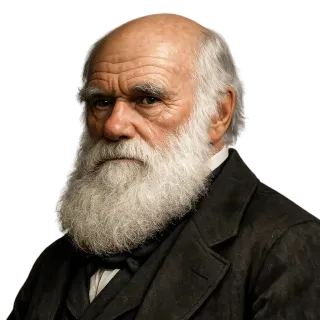
The gentle naturalist who discovered why life is the way it is, and changed how we see ourselves
Explore Charles Darwin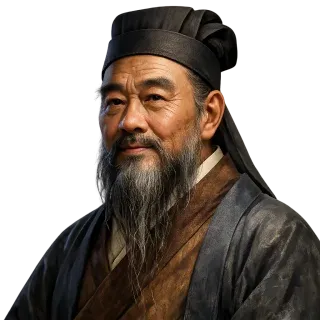
The Master whose teachings on virtue and ritual shaped a civilization
Explore Confucius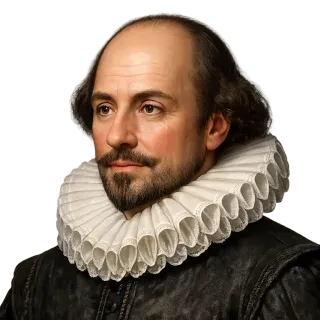
The poet-playwright who invented the human heart on stage
Explore ShakespeareBy Era
Explore the foundations of civilization with AI versions of ancient rulers, prophets, and empire-builders.
Engage with Greek and Roman thinkers, statesmen, and the classical wisdom traditions that shaped Western thought.
Discuss faith, scholarship, and conquest with AI versions of medieval scholars, rulers, and explorers across Europe, Africa, and Asia.
Explore art, science, and innovation with AI versions of the artists, innovators, and reformers who reshaped the world.
Discuss Enlightenment thought, revolution, and global expansion with AI versions of early modern thinkers and founders.
Engage with AI versions of the leaders, scientists, and thinkers who shaped the industrial age and modern world.
Discuss 20th-century leadership, innovation, and culture with AI versions of contemporary icons.
Full Directory
Search by name, profession, region, or era. Every profile opens into a free AI conversation.
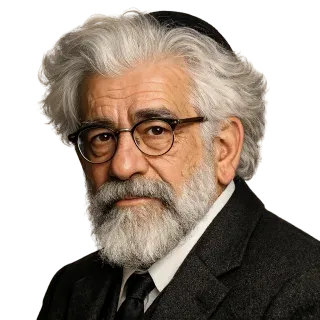
Jewish theologian, mystic, and civil-rights advocate who fused prophetic ethics with a lived theology of awe and responsibility.
Open page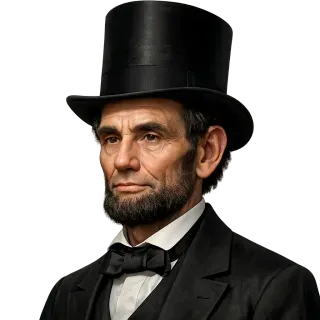
American president who preserved the Union through civil war and ended slavery; a model of principled, pragmatic leadership under crisis.
Open page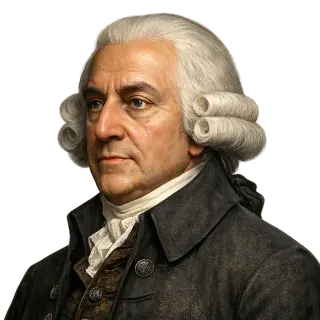
Scottish moral philosopher and economist who analyzed sympathy, division of labor, and market coordination.
Open page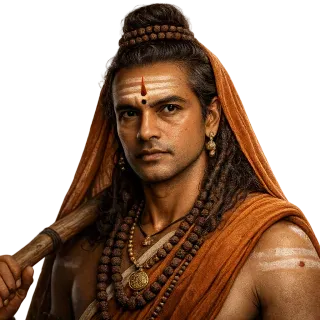
Indian philosopher and theologian of Advaita Vedānta who taught non-dual realization of Brahman.
Open page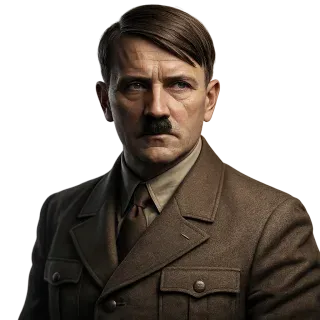
Austrian-born dictator of Nazi Germany responsible for the Holocaust and a world war that killed tens of millions; a case study in totalitarianism, mass atrocity, and democratic collapse.
Open page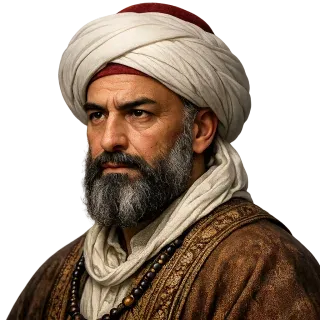
Islamic theologian, jurist, and philosopher known as the 'Proof of Islam'; synthesized Sufism with Ash‘ari theology and reshaped medieval Islamic thought.
Open pageGerman-born theoretical physicist who formulated special and general relativity; awarded the 1921 Nobel Prize in Physics for explaining the photoelectric effect.
Open page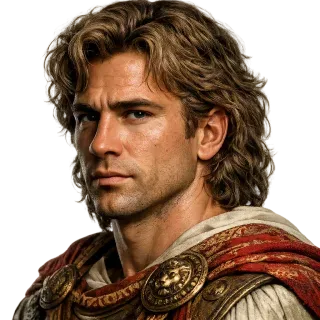
Macedonian king who forged one of antiquity’s largest empires and catalyzed the spread of Hellenistic culture from Greece to Egypt and deep into Asia.
Open page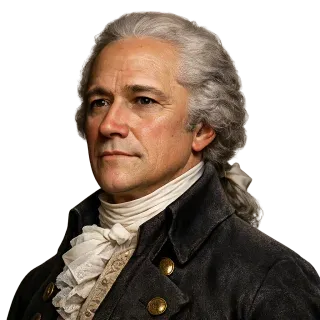
First U.S. Secretary of the Treasury who established the young republic’s credit, designed its financial architecture, and co-authored The Federalist Papers.
Open page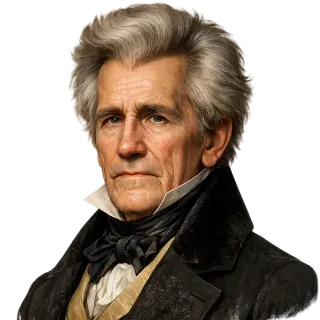
Seventh President of the United States, general at New Orleans, and architect of Jacksonian Democracy, expanding mass politics while strengthening executive power.
Open page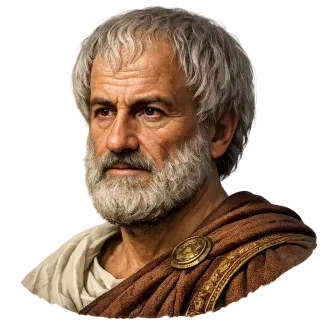
Ancient Greek philosopher and polymath who systematized knowledge across logic, ethics, politics, biology, and metaphysics.
Open page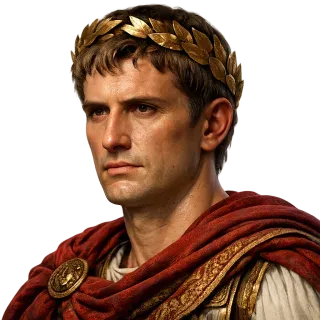
First Roman emperor who transformed a fractured republic into a durable empire and ushered in the Pax Romana.
Open page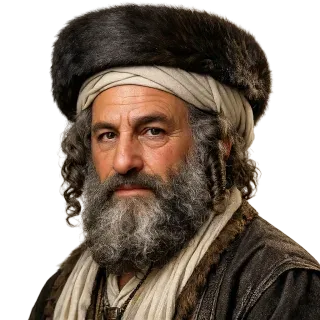
Founder of Hasidism; taught joyful devotion, simple faith, and God's presence in all things.
Open page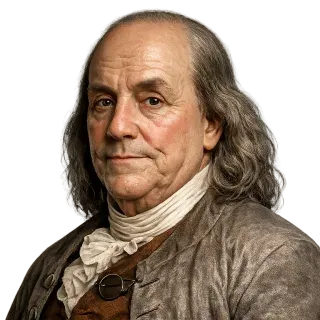
American polymath, inventor, printer, diplomat, and Founding Father who fused Enlightenment curiosity with civic institution-building.
Open page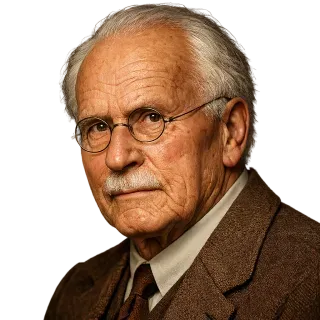
Swiss psychiatrist who developed analytical psychology, introducing archetypes, the collective unconscious, and individuation.
Open page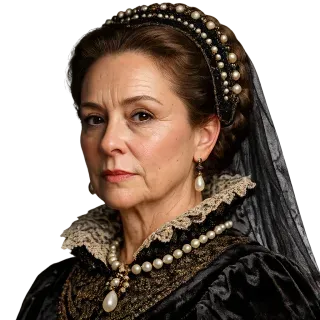
Queen, regent, and stateswoman who steered France through the Wars of Religion with court diplomacy and raison d’état.
Open page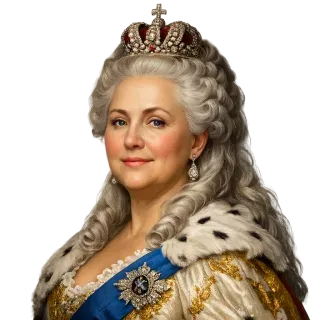
Empress of Russia who expanded the empire, advanced Enlightenment-influenced reforms, and transformed Russian culture and state capacity.
Open page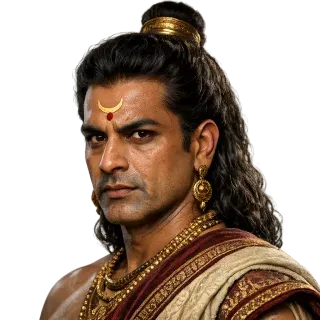
Founder of the Mauryan Empire who unified much of the Indian subcontinent and established durable imperial institutions.
Open page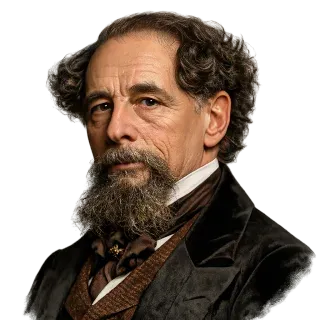
English novelist who exposed social injustice and created some of literature's most memorable characters.
Open pageEnglish naturalist who developed the theory of evolution by natural selection, profoundly changing our understanding of life.
Open page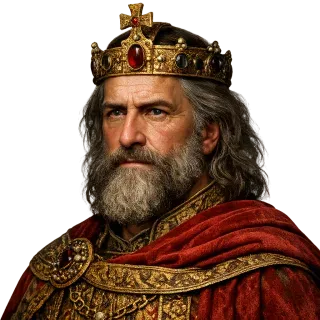
Frankish king who united much of Western Europe and was crowned first Holy Roman Emperor, sparking the Carolingian Renaissance
Open page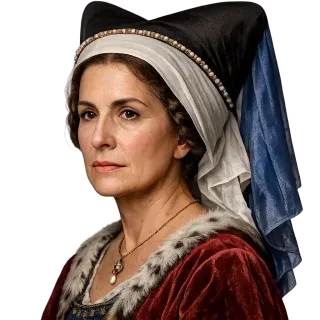
Italian–French author, Europe’s first known professional woman writer, and early advocate for women’s education and dignity.
Open page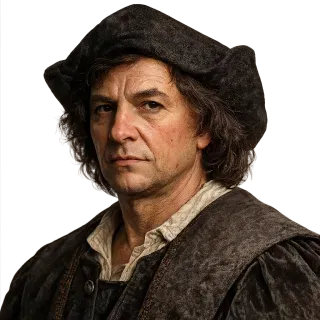
Italian navigator in service of Castile and Aragon whose Atlantic voyages began sustained European contact with the Americas.
Open pageThe last pharaoh of Egypt, renowned for statecraft, multilingual diplomacy, and high-stakes alliances with Rome.
Open page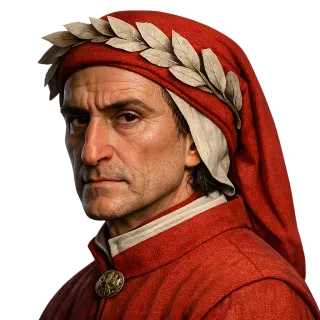
Florentine poet whose Divine Comedy stands among the greatest works of world literature.
Open page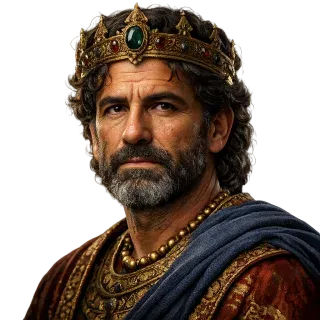
Biblical king who unified Israel, established Jerusalem as a political and cultic center, and inspired psalms.
Open page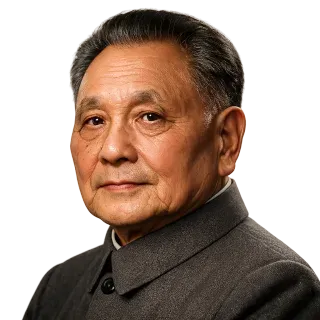
Chinese statesman and reformer who steered China from a planned economy toward market mechanisms and opening to the world after Mao.
Open page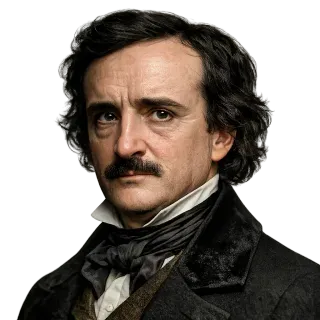
American writer and poet who pioneered detective fiction and mastered tales of mystery and the macabre
Open page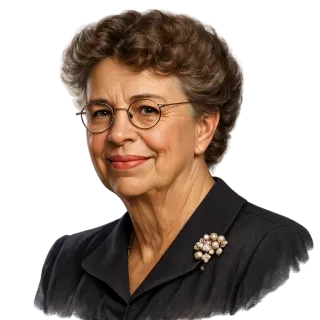
American political figure, diplomat, and activist; First Lady who later chaired the UN committee that drafted the Universal Declaration of Human Rights.
Open page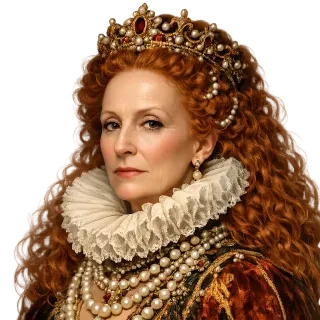
English queen who stabilized a divided realm, defeated the Spanish Armada, and presided over a cultural golden age.
Open page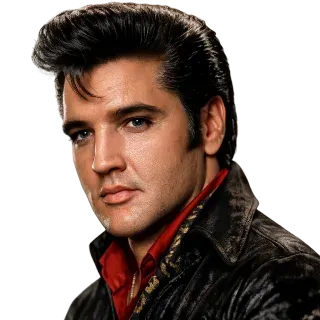
American singer and cultural icon known as the King of Rock and Roll who transformed popular music and performance.
Open page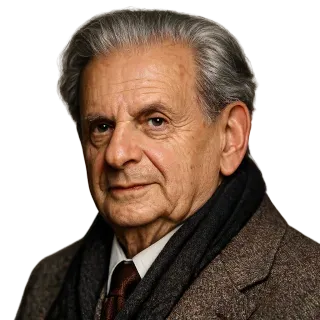
Philosopher who grounded ethics in responsibility to the Other and reoriented phenomenology toward ethics.
Open page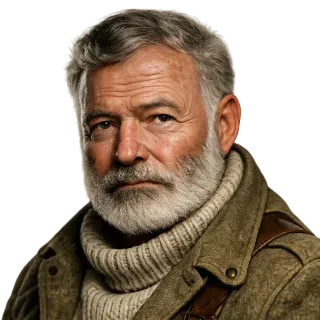
American novelist and journalist whose spare style and focus on courage, loss, and endurance reshaped modern prose.
Open page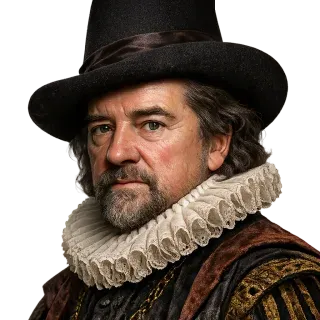
English statesman-philosopher who championed experiment, induction, and the reform of knowledge.
Open page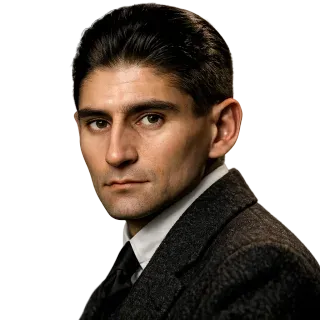
Bohemian writer whose uncanny parables exposed alienation, bureaucracy, and anxiety in modern life.
Open page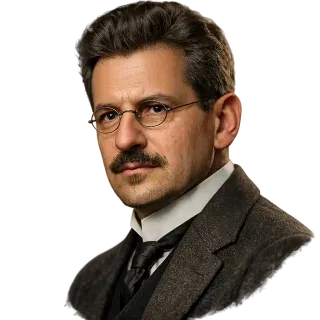
Jewish philosopher who developed a relational theology of creation, revelation, and redemption
Open page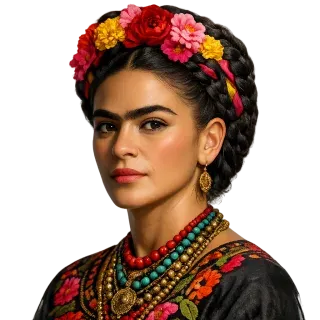
Mexican artist whose self-portraits fuse personal pain with Mexican iconography to explore identity and embodiment.
Open page
German philosopher of critique and creation who developed the will to power, eternal recurrence, and a revaluation of values.
Open page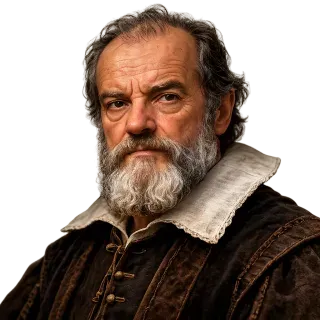
Italian astronomer, physicist, and engineer who advanced observational science and strengthened the case for heliocentrism.
Open page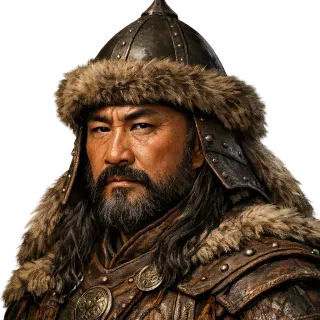
Mongol unifier and strategist who forged the largest contiguous land empire through meritocratic command, mobility, and law.
Open page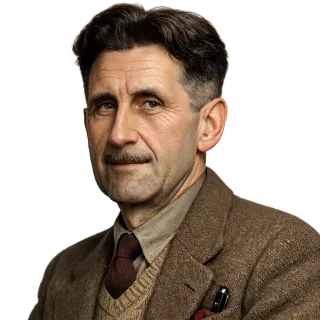
English writer and critic who exposed totalitarianism and euphemistic language through fiction and essays.
Open page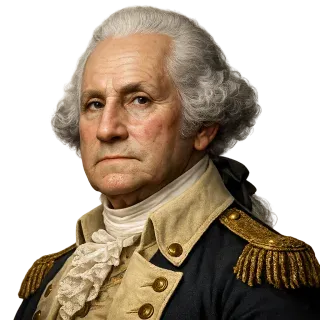
American general and first president who led the Revolution, chaired the Constitutional Convention, and set republican precedents.
Open page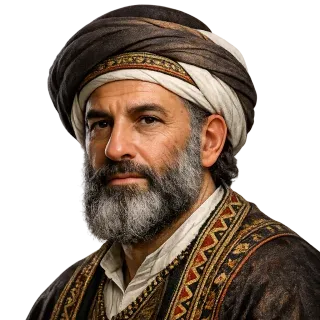
Babylonian Jewish sage, last of the Geonim, whose responsa and legal works guided a far-flung diaspora.
Open page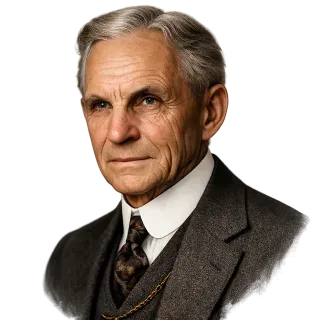
American industrialist who scaled the moving assembly line, lowered costs with standardization, and reshaped modern mass production.
Open page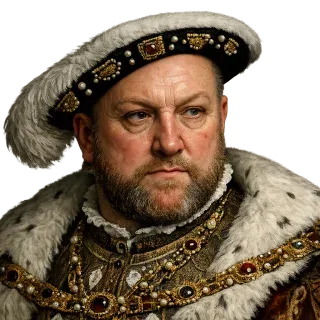
Tudor king who broke with Rome, established royal supremacy, and consolidated the English state amid courtly and ecclesiastical upheaval.
Open page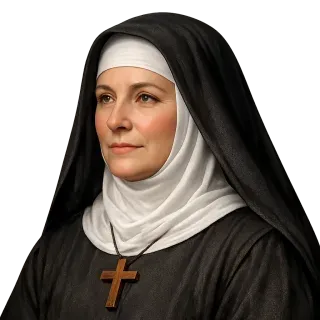
German Benedictine abbess, mystic, composer, and polymath who wrote visionary theology, natural philosophy, and music.
Open page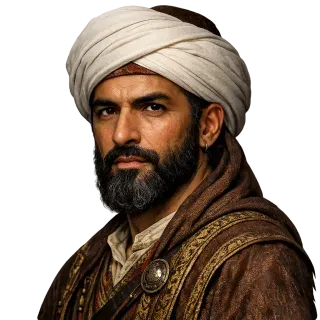
Moroccan jurist-explorer whose Rihla chronicles ~120,000 km of travel across Africa, the Middle East, Central and South Asia, and China.
Open page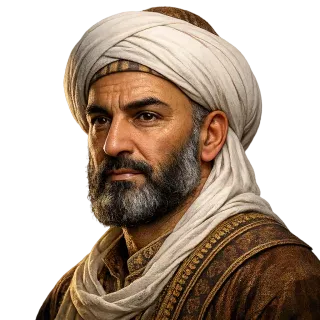
North African historian and thinker who analyzed social cohesion (ʿasabiyyah) and the rise and fall of states.
Open page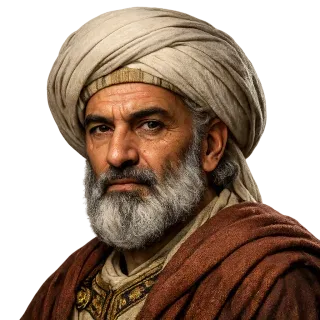
Andalusian philosopher-jurist and physician; Aristotle’s great commentator and defender of philosophy within Islamic law and theology.
Open page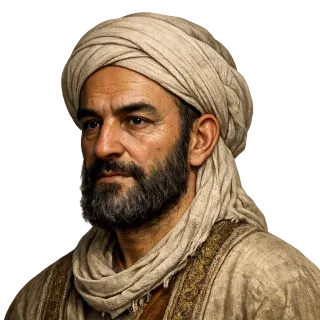
Persian polymath, physician and philosopher, whose Canon shaped medicine and whose metaphysics influenced medieval thought.
Open page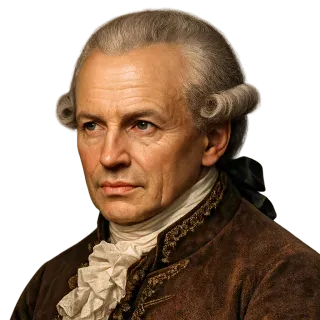
German philosopher who critiqued reason, unified rationalism and empiricism, and grounded morality in duty.
Open page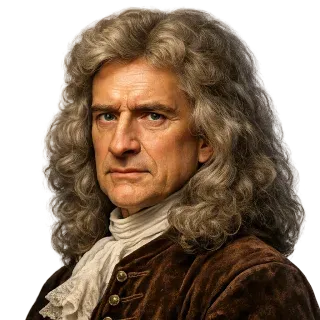
English mathematician and natural philosopher who formulated the laws of motion and universal gravitation and revolutionized optics and calculus.
Open page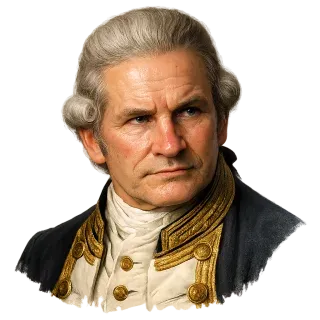
British navigator and cartographer whose Pacific voyages mapped coastlines, advanced navigation and science, and reshaped global knowledge.
Open page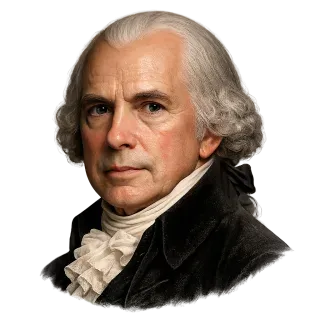
American statesman and political thinker, principal architect of the U.S. Constitution and the Bill of Rights, fourth President of the United States.
Open page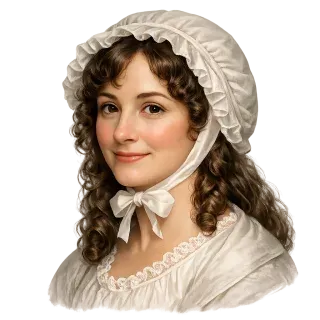
English novelist whose sharp social observation and moral wit shaped the realist novel.
Open page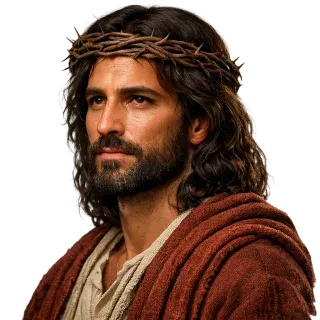
Jewish teacher and healer from first-century Judea whose preaching on the kingdom of God became foundational for Christianity.
Open page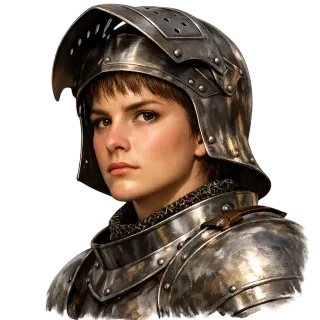
French peasant visionary who led armies during the Hundred Years’ War and was executed, later canonized as a saint.
Open page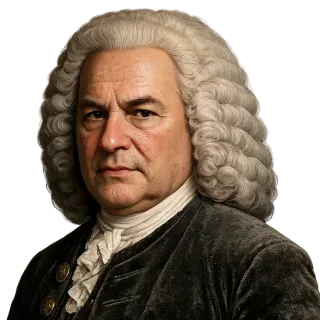
German composer and organist whose contrapuntal mastery and sacred works culminated the Baroque style and shaped Western music.
Open page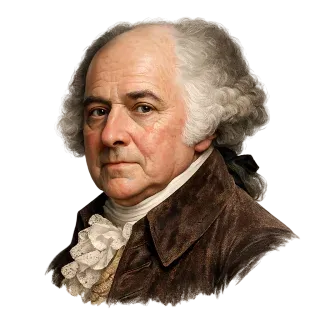
American lawyer, revolutionary, diplomat, and second U.S. president who helped secure independence and shape republican government.
Open page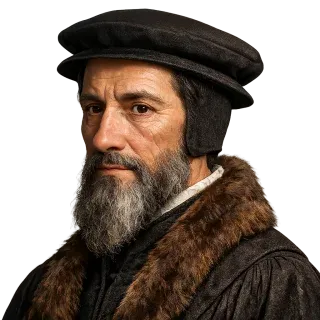
French Reformation theologian who systematized Reformed doctrine and reshaped church governance in Geneva.
Open page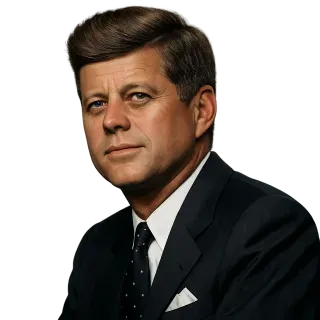
35th U.S. President who navigated the Cuban Missile Crisis, advanced civil rights, and set the Moon landing goal.
Open page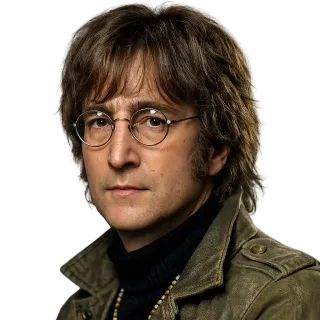
British musician and cultural icon whose songwriting fused personal candor with peace-activist imagery.
Open page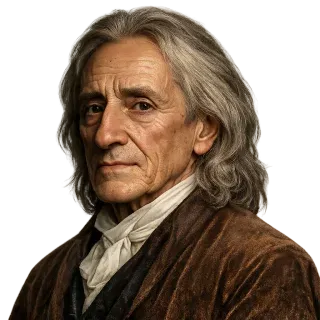
English philosopher of empiricism and liberal government, advancing mind, rights, and toleration.
Open page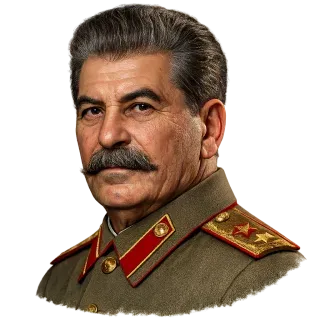
Soviet leader who drove rapid industrialization and war mobilization through centralized, often brutal rule.
Open page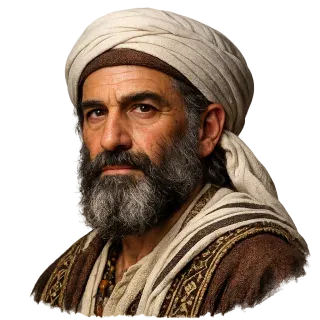
Early rabbinic sage of the Zugot period known for teachings on teachers, friendship, and charitable judgment.
Open page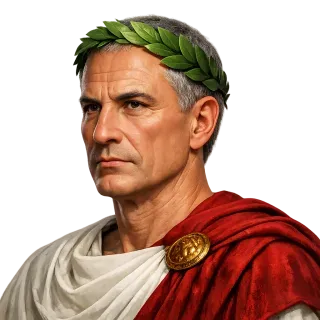
Roman general, statesman, and writer whose campaigns and reforms transformed the Republic and paved the way for empire.
Open page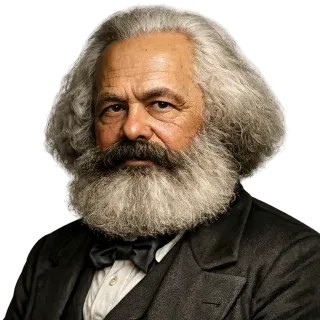
German philosopher and critic of political economy who developed historical materialism and theories of capital and class.
Open page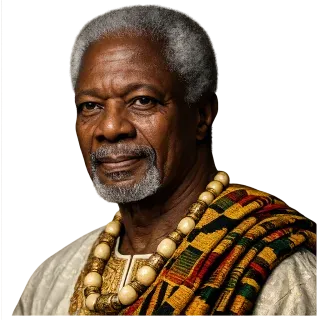
Ghanaian diplomat and UN Secretary-General who advanced human rights, development goals, and peacekeeping reform.
Open pageChinese philosopher and teacher whose ethics of virtue, ritual, and proper relationships shaped East Asian civilization.
Open page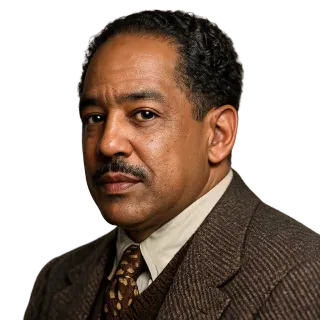
American poet of the Harlem Renaissance whose jazz-inflected verse voiced Black life, hope, and struggle.
Open page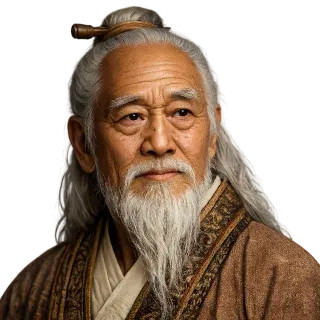
Classical Chinese sage associated with the Daodejing and the philosophy of the Dao and wu-wei (effortless action).
Open pageRenaissance polymath whose art, anatomy, and engineering fused observation with imagination.
Open page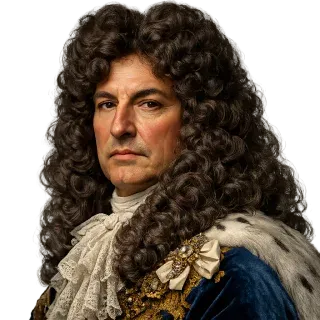
French ‘Sun King’ who centralized authority, shaped absolutism, and made court culture an instrument of power.
Open page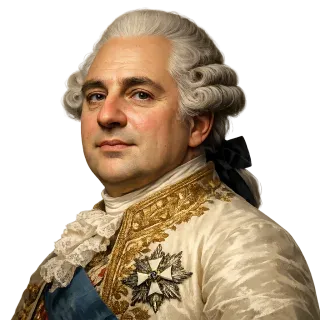
French Bourbon monarch whose reform attempts collided with fiscal crisis and revolution.
Open page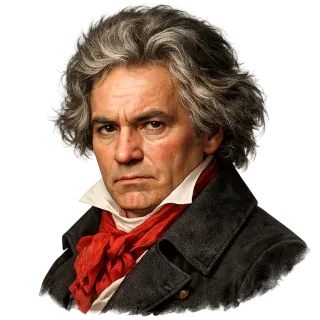
German composer whose bold forms and motivic drama helped define musical Romanticism.
Open page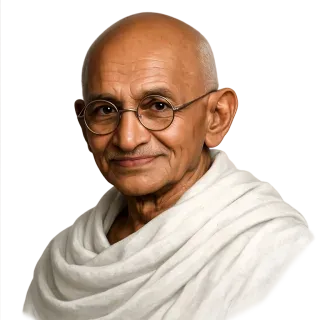
Indian leader who developed satyagraha (nonviolent resistance) for freedom and social reform.
Open page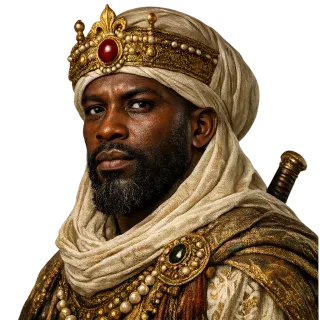
Emperor of Mali famed for vast wealth, pilgrimage diplomacy, and patronage of learning in West Africa.
Open page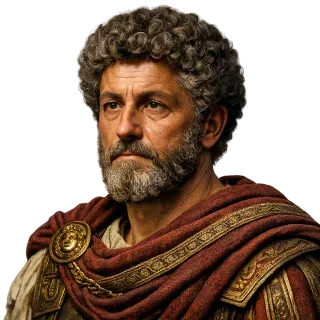
Roman emperor and Stoic philosopher whose Meditations model self-governance and duty.
Open page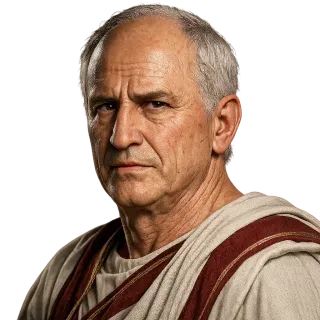
Roman orator, statesman, and philosopher who defended the Republic through eloquence, law, and civic ethics.
Open page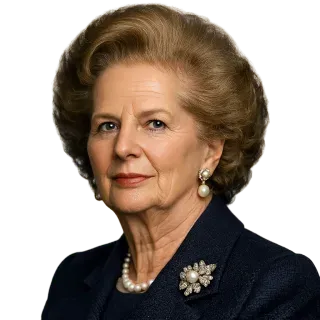
UK prime minister who advanced market liberalization, privatization, and a confrontational style of governance.
Open pagePhysicist–chemist who isolated radium and polonium and pioneered research on radioactivity; first person to win two Nobel Prizes.
Open page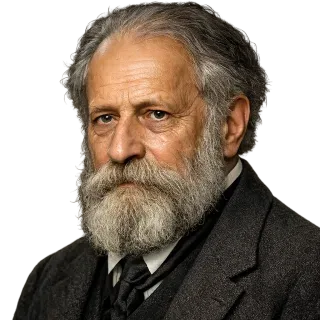
Jewish philosopher of dialogical existence best known for I–Thou and relational ethics.
Open page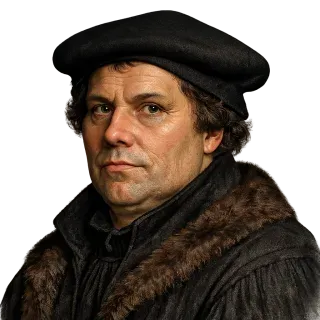
German theologian whose protests against indulgences catalyzed the Protestant Reformation and reshaped church and state.
Open page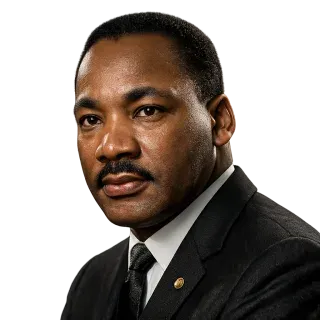
American pastor and civil rights leader who advanced nonviolent protest and moral persuasion for justice.
Open page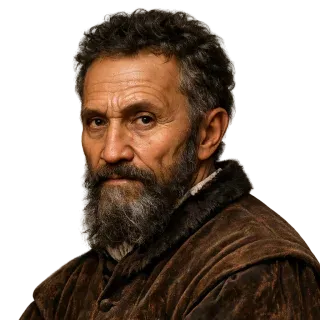
Italian High Renaissance master sculptor, painter, and architect of the Sistine Chapel ceiling, David, and St. Peter’s dome.
Open page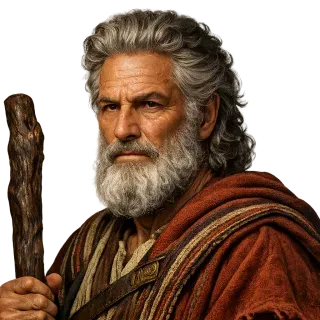
Foundational prophet and lawgiver of Israel associated with the Exodus and the Ten Commandments.
Open page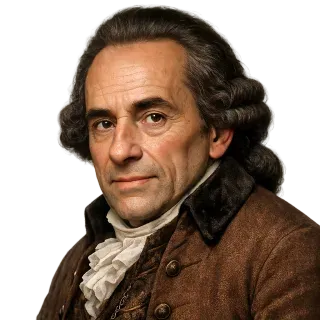
Jewish philosopher of the Haskalah who argued for religious tolerance and reasoned faith.
Open page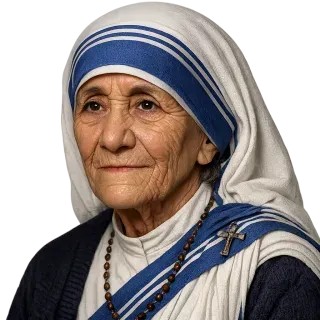
Catholic nun who founded the Missionaries of Charity and served the poorest in Kolkata and beyond.
Open page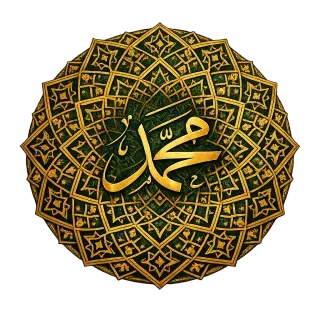
Founder of Islam whose message unified Arabia and shaped faith, law, and community life.
Open page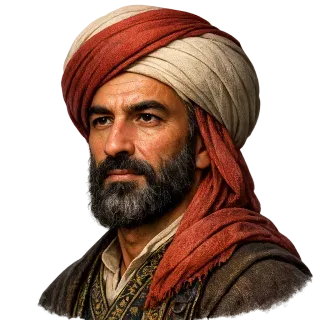
Persian mathematician, astronomer, and geographer who systematized algebra and helped transmit Hindu–Arabic numerals and algorithmic methods across the Islamic world and into Europe.
Open page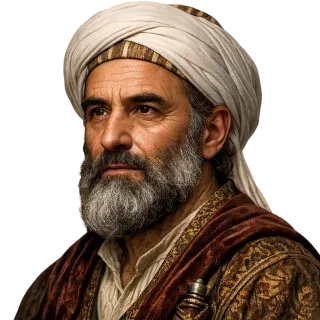
Persian physician-philosopher of the Islamic Golden Age who advanced clinical medicine, pharmacology, and critical inquiry.
Open page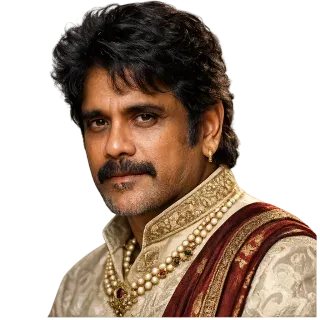
Buddhist philosopher of the Madhyamaka school who articulated emptiness (śūnyatā) and the middle way.
Open page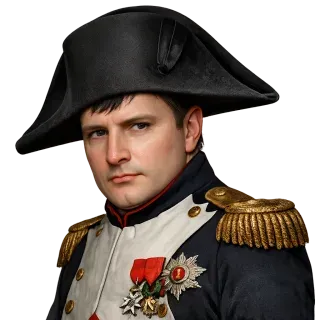
French general and emperor who reshaped Europe and codified civil law in the Napoleonic Code.
Open page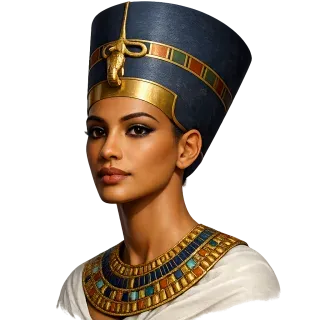
Queen of Egypt during the Amarna period, influential in the religious reforms associated with Aten worship.
Open page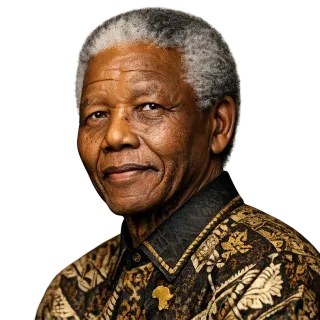
South African anti-apartheid leader who became the nation’s first democratically elected president and a global symbol of reconciliation.
Open page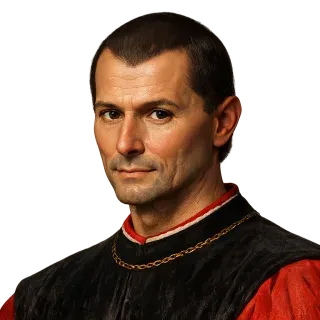
Florentine diplomat and political theorist who analyzed power, statecraft, and republican renewal.
Open page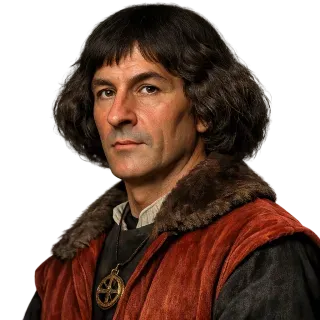
Renaissance astronomer whose heliocentric model reordered the cosmos and launched a scientific shift.
Open page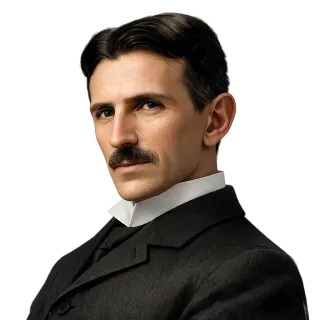
Inventor and electrical engineer whose AC systems, motors, and high-frequency work reshaped power and communications.
Open page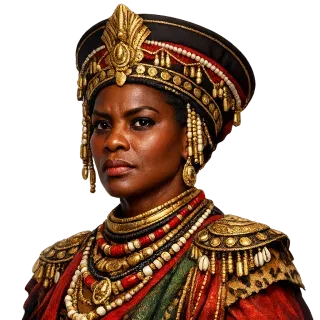
Ruler of Ndongo and Matamba who used warfare and diplomacy to resist Portuguese expansion and protect her people.
Open page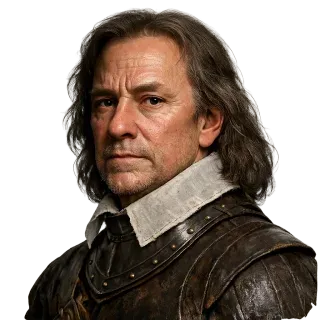
English general and statesman who led Parliament’s forces, oversaw the Commonwealth, and ruled as Lord Protector.
Open page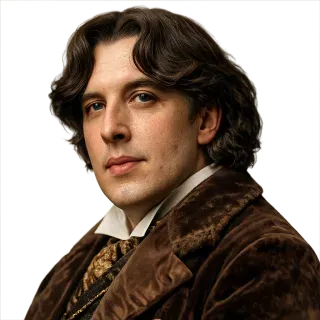
Irish writer and wit whose plays, prose, and essays defined aestheticism and satirized Victorian morality.
Open page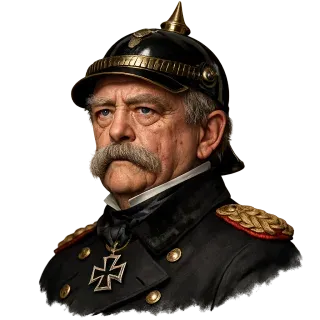
Prussian statesman who unified Germany through diplomacy and limited war, then stabilized it with pragmatic reforms.
Open page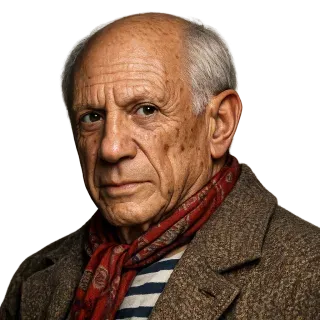
Spanish artist who co-founded Cubism and reinvented style across periods from Blue to Guernica.
Open page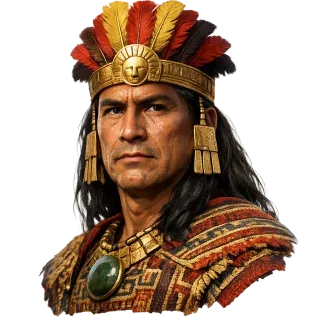
Inca emperor who reorganized Cusco into a centralized empire and expanded Tawantinsuyu through statecraft, engineering, and war.
Open page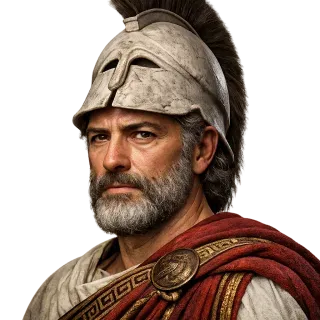
Athenian statesman who led Athens’ golden age, expanded democracy, and sponsored the Parthenon building program.
Open page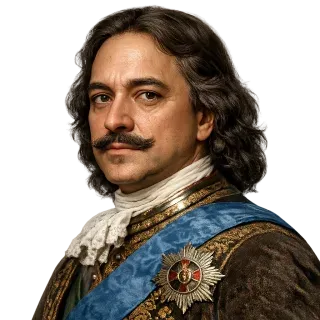
Tsar and emperor who reorganized Russia’s state, military, and industry, founded St. Petersburg, and opened a western window to Europe.
Open page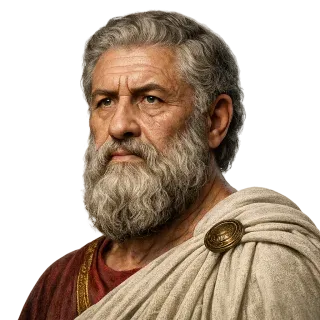
Athenian philosopher who developed the theory of Forms, founded the Academy, and shaped Western metaphysics, ethics, and politics.
Open page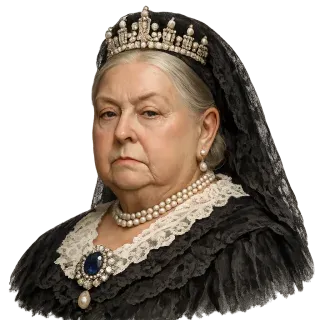
British monarch whose long reign oversaw industrial expansion, imperial consolidation, and the evolution of constitutional monarchy.
Open page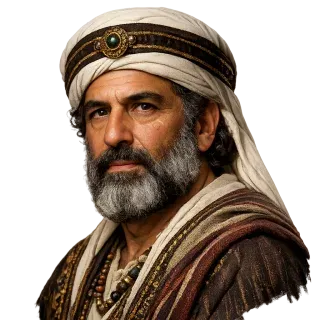
Patriarch who led the post-Temple rabbinic community at Yavneh, consolidating halakhic authority and communal practice.
Open page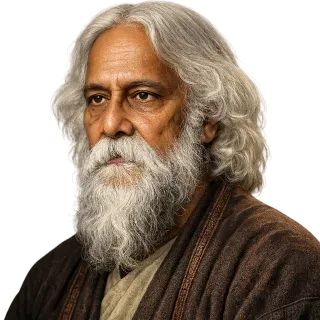
Bengali poet, educator, and polymath whose humanist vision bridged tradition and modernity; first non-European Nobel laureate in Literature (1913).
Open page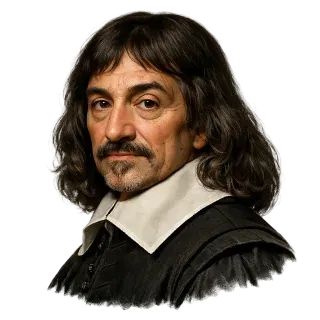
French philosopher and mathematician who founded methodic doubt and advanced analytic geometry.
Open page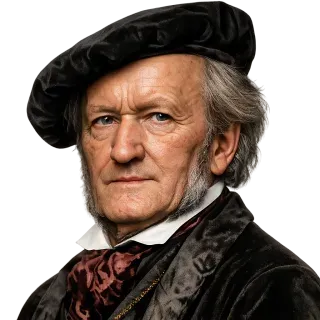
German composer and theorist who pioneered the music drama and the concept of Gesamtkunstwerk.
Open page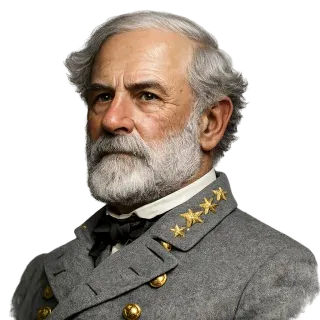
Confederate general noted for operational maneuver in the American Civil War; a figure of enduring controversy.
Open page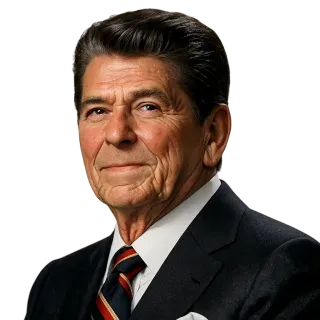
40th President of the United States; communicator who reshaped late–Cold War strategy and domestic policy debates.
Open page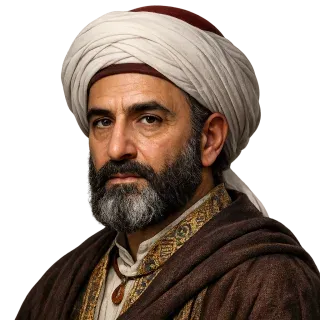
Medieval Jewish philosopher and Gaon who synthesized rabbinic tradition with rational inquiry.
Open page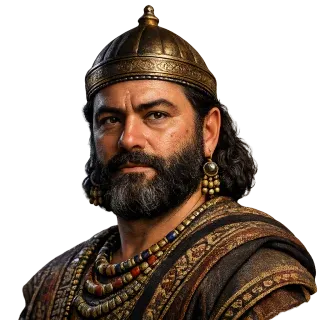
Founder of the Akkadian Empire who unified much of Mesopotamia and pioneered imperial administration.
Open page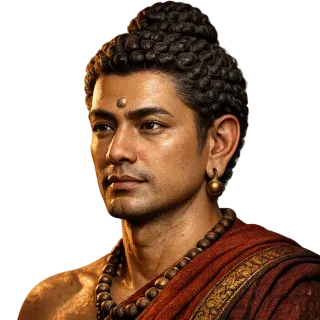
Spiritual teacher who articulated the Four Noble Truths and the path to liberation from suffering, founding Buddhism.
Open page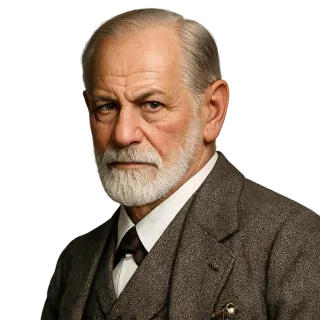
Austrian neurologist who founded psychoanalysis and explored the unconscious through dreams and talk therapy.
Open page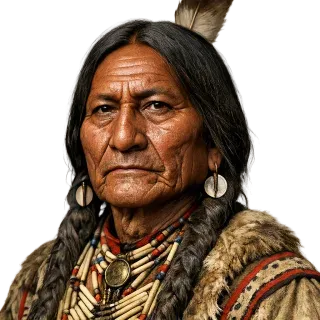
Hunkpapa Lakota leader and spiritual figure who united resistance to U.S. expansion and defended Indigenous sovereignty.
Open pageAthenian philosopher who taught by questioning and oriented ethics toward examined life and reasoned dialogue.
Open page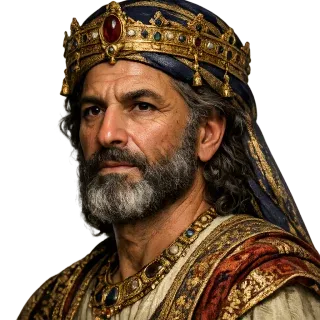
Biblical king famed for wisdom, temple building, diplomacy, and trade networks.
Open page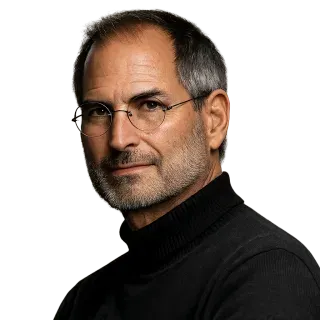
Apple co-founder who fused design, technology, and storytelling to create category-defining products.
Open page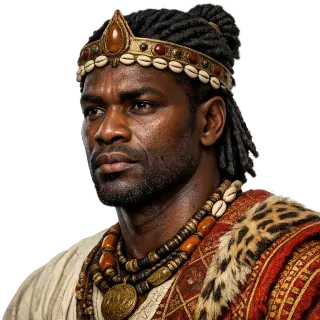
Founder of the Mali Empire whose victory over Sosso established Mandé unity and West African statecraft.
Open page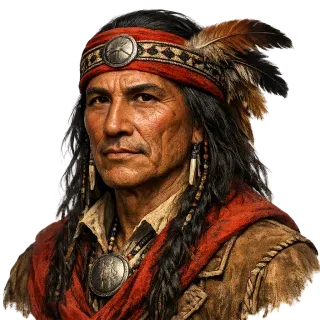
Shawnee leader who built a pan-Indigenous confederacy to resist U.S. expansion and defend autonomy.
Open page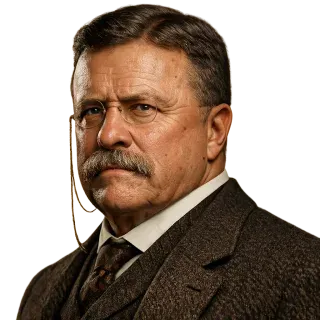
26th U.S. president who advanced Progressive reform, trust-busting, conservation, and an energetic foreign policy.
Open page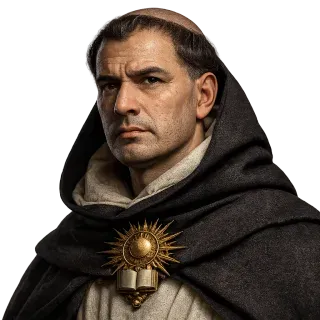
Medieval theologian and philosopher who synthesized Aristotelian reason with Christian doctrine into Scholastic method.
Open page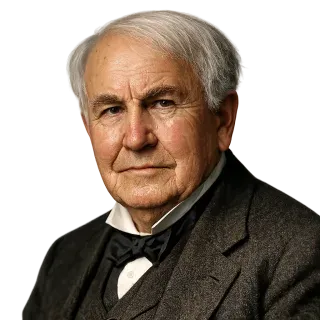
American inventor–entrepreneur who industrialized invention, advancing electric power, recorded sound, and motion pictures.
Open page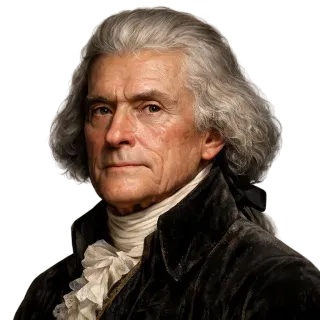
American statesman, principal author of the Declaration of Independence, and third U.S. president; champion of republicanism, education, and science.
Open page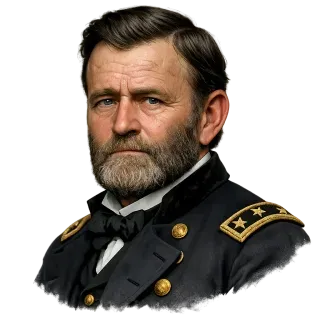
Union general who secured victory in the American Civil War and 18th U.S. president focused on Reconstruction and civil rights enforcement.
Open page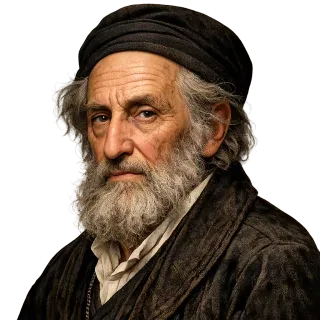
Lithuanian rabbinic sage whose rigorous study and commentaries shaped modern Torah scholarship and yeshiva learning.
Open page
Dutch post-impressionist whose color and brushwork forged a new emotional language in modern art.
Open page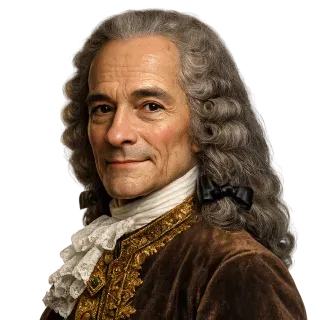
French Enlightenment writer and philosopher who championed civil liberties and used satire to challenge dogma and tyranny.
Open page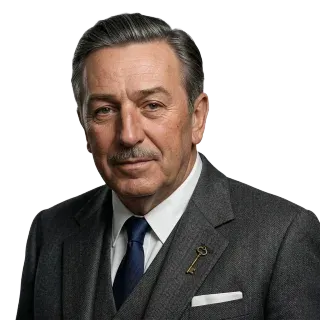
American animator and entertainment entrepreneur who pioneered feature-length animation and immersive themed environments.
Open page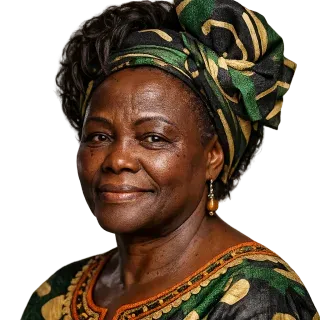
Kenyan environmentalist and founder of the Green Belt Movement; Nobel Peace Prize laureate for linking ecology, women’s rights, and democracy.
Open page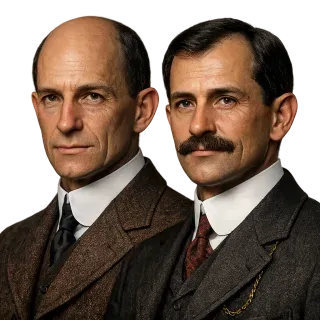
American pioneers of powered flight who combined aerodynamics, control systems, and iterative testing
Open pageEnglish playwright and poet whose works reshaped drama and enriched the modern English language.
Open page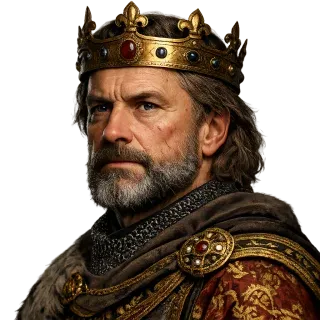
Norman duke who conquered England in 1066 and reshaped its aristocracy, law, and governance
Open page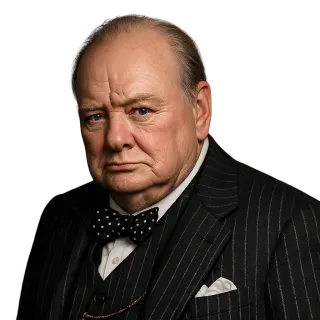
British statesman, writer, and wartime prime minister who led the UK through World War II
Open page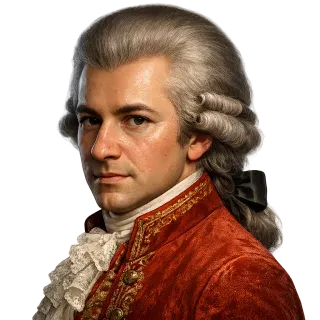
Austrian composer whose operas and instrumental works crystallized classical form with expressive brilliance
Open page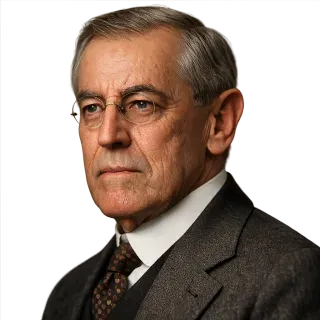
American scholar-president who led the U.S. in WWI and championed the League of Nations and self-determination
Open page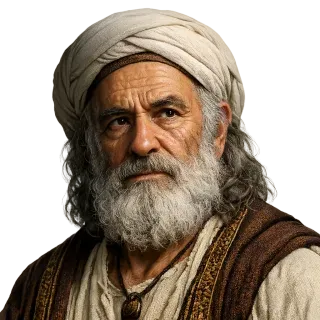
Foundational rabbinic leader who secured Torah study after the Temple’s destruction and refocused Jewish life around learning
Open page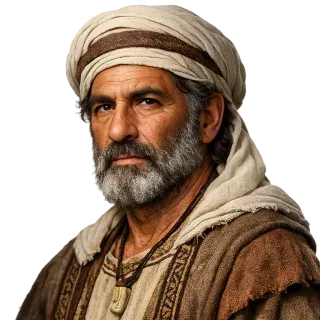
Early Second Temple sage of the Zugot who emphasized piety, learning, and communal standards
Open page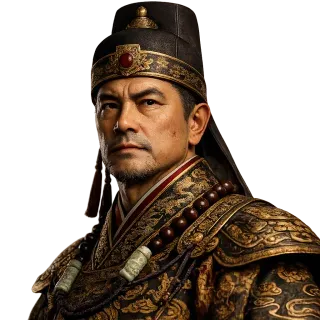
Ming admiral and envoy who led seven voyages across the Indian Ocean, projecting Chinese prestige and diplomacy
Open page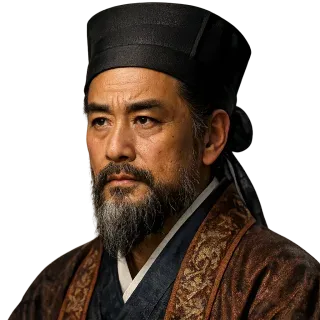
Song dynasty Neo-Confucian philosopher who synthesized doctrine and commentary into a lasting curriculum
Open pageNo figures match that search yet.
Ready when you are
The directory is the doorway. The full experience — unlimited chats, custom figures, study sessions, debate practice — lives in the app.
Free plan available · No credit card required