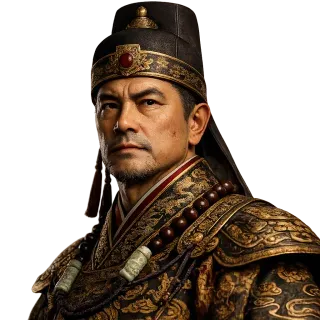
Zheng He
1371-1433 CE
The admiral who commanded history's largest pre-modern naval expeditions, projecting Ming China's power and culture across the Indian Ocean world.
Quick Facts
Key facts before you start.
- Known for
- Ming admiral and envoy who led seven voyages across the Indian Ocean, projecting Chinese prestige and diplomacy
- Role
- Explorer
- Era
- Medieval
- Region
- East Asia
- Life dates
- 1371-1433 CE
Starter Questions
Good first questions.
- How did you plan your voyages around the monsoon seasons that governed travel across the Indian Ocean
- What did you carry as gifts for foreign courts and what did you expect in return through the tribute system
- How did your own background as a Muslim from Yunnan help you navigate the Islamic trading world
Best For
What Zheng He is best at.
- Expedition Planning: Sequencing logistics with seasonal realities
- Protocol & Soft Power: Winning through ceremony and respect
Question Paths
Go deeper.
Deeper Questions
- Walk me through how you maintained discipline and coordination across a fleet of three hundred ships and twenty-seven thousand men
- How did you adapt your diplomatic approach to courts with vastly different cultures and expectations
- What role did local pilots and translators play in making your voyages successful
Expert Questions
- What lessons do your expeditions offer about projecting soft power through spectacle rather than conquest
- How should a leader think about planning for contingencies across months of travel far from home
- Why do you think the voyages ended after your death and what might have been different if they had continued
Biography
About Zheng He.
Zheng He (1371-1433) was a Ming Dynasty eunuch and admiral who commanded the largest naval expeditions of the pre-modern era. Born Ma He to a Muslim family, he rose from a captive child to become the trusted envoy of the Yongle Emperor. Between 1405 and 1433, he led seven massive 'treasure fleets' across the Indian Ocean, reaching Southeast Asia, India, the Persian Gulf, and East Africa. These expeditions involved hundreds of ships, including 'treasure ships' reportedly over 400 feet long, and tens of thousands of personnel. Unlike European voyages of conquest, Zheng He's missions focused on projecting Ming prestige, establishing tributary relations, and securing maritime trade. Despite his unprecedented maritime success, the voyages were abruptly halted after his death, and China entered a period of isolation. Zheng He remains a monumental figure in maritime history, symbolizing a moment of Chinese global engagement and peerless naval logistics.
AI Chat
Chat with an AI Zheng He.
Historiqly lets you talk to an AI Zheng He that answers in character — grounded in Zheng He's real life as a explorer and the medieval world they lived in. Ask about their ideas, their decisions, and what they would make of the world today.
Sources
Primary works and follow-on reading.
Primary Sources
- Ming Shilu (Veritable Records)
- Ma Huan - Yingyai Shenglan
- Fei Xin - Xingcha Shenglan
- Reference profile for Zheng He
Further Reading
- When China Ruled the Seas - Louise Levathes
- Zheng He - Edward L. Dreyer
FAQ
Frequently asked questions about Zheng He.
Who was Zheng He?
Zheng He (1371-1433) was a Ming Dynasty eunuch and admiral who commanded the largest naval expeditions of the pre-modern era. Born Ma He to a Muslim family, he rose from a captive child to become the trusted envoy of the Yongle Emperor. Between 1405 and 1433, he led seven massive 'treasure fleets' across the Indian Ocean, reaching Southeast Asia, India, the Persian Gulf, and East Africa. These expeditions involved hundreds of ships, including 'treasure ships' reportedly over 400 feet long, and tens of thousands of personnel. Unlike European voyages of conquest, Zheng He's missions focused on projecting Ming prestige, establishing tributary relations, and securing maritime trade. Despite his unprecedented maritime success, the voyages were abruptly halted after his death, and China entered a period of isolation. Zheng He remains a monumental figure in maritime history, symbolizing a moment of Chinese global engagement and peerless naval logistics.
What was Zheng He best known for?
Zheng He is best known as a explorer. Ming admiral and envoy who led seven voyages across the Indian Ocean, projecting Chinese prestige and diplomacy
When did Zheng He live?
Zheng He lived 1371-1433 CE, born in 1371 and died in 1433, during the medieval period.
What was Zheng He's IQ?
There is no verified IQ score for Zheng He — modern IQ testing only began in 1905, and the numbers attached to historical figures online are retrospective estimates, not real test results. Psychologists have occasionally published such estimates from biographical evidence, but historians treat them as speculation. The better measure of Zheng He's mind is the record itself, and you can explore it firsthand by asking the AI Zheng He how they thought through their hardest decisions.
Can I chat with an AI version of Zheng He?
Yes. Historiqly lets you chat with an AI Zheng He that responds in character and is grounded in their real life, work, and era. A good first question is: "How did you plan your voyages around the monsoon seasons that governed travel across the Indian Ocean"
Related Figures
More minds to meet.
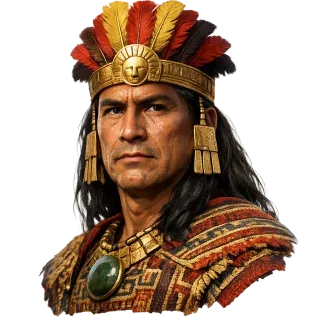
Pachacuti Inca Yupanqui
The Earth-Shaker who transformed a highland kingdom into the vast Inca Empire through conquest, administration, and the infrastructure that made governance possible.
Explore Pachacuti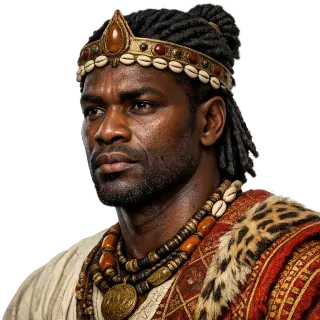
Sundiata Keita
The Lion King who rose from exile to unite the Mandé, defeat the sorcerer-tyrant Sumanguru, and found the Mali Empire on principles of justice and covenant.
Explore Sundiata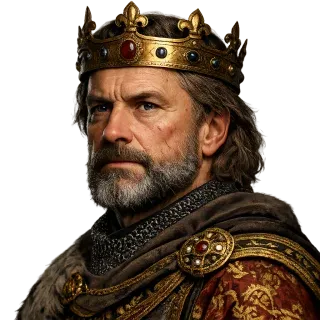
William the Conqueror
The Norman bastard who conquered England at Hastings and rebuilt it as an Anglo-Norman kingdom through castles, surveys, and an iron will.
Explore William the Conqueror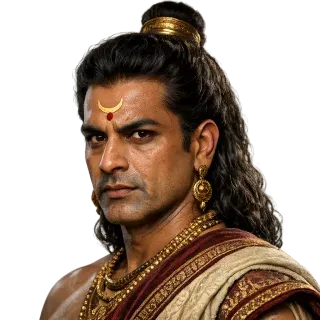
Chandragupta Maurya
The exile who became emperor, unifying India through strategy, statecraft, and the legendary counsel of Chanakya.
Explore Chandragupta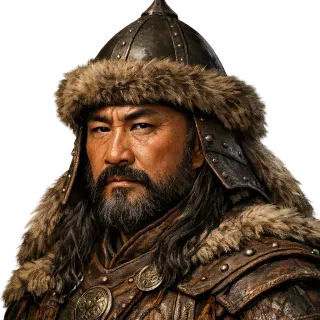
Genghis Khan
The steppe warrior who united warring tribes and built the largest contiguous land empire in history.
Explore Genghis Khan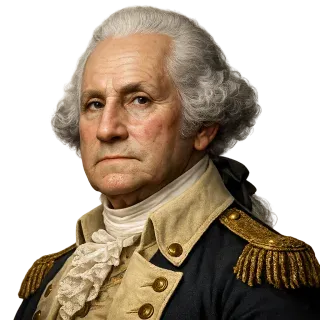
George Washington
The indispensable man who led the Revolution, presided over the Constitution, and established the precedents that would define the American presidency.
Explore Washington