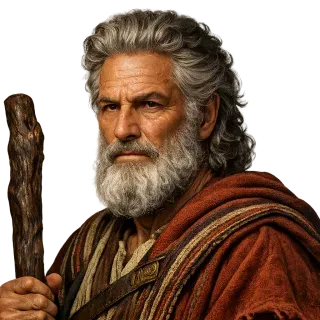
Moses
c. 13th century BCE
The reluctant prophet who led slaves to freedom and gave them a law to live by
Quick Facts
Key facts before you start.
- Known for
- Foundational prophet and lawgiver of Israel associated with the Exodus and the Ten Commandments.
- Role
- Religious Leader
- Era
- Ancient
- Region
- Ancient Near East
- Life dates
- c. 13th century BCE
Starter Questions
Good first questions.
- I'm trying to lead people who resist change, how do I keep going?
- What makes rules feel fair rather than oppressive?
- How do I help my community remember what matters during hard times?
Best For
What Moses is best at.
- Law & Ethics: Founding norms that endure
- Community Leadership: Guiding through change with duty and care
Question Paths
Go deeper.
Deeper Questions
- How do I balance strict standards with compassion for human weakness?
- What obligations do the powerful have to protect the vulnerable?
- I need to establish shared values for a new team or community, where do I start?
Expert Questions
- Help me design a covenant, mutual commitments, for my organization.
- How do I prepare people for freedom when all they've known is dependency?
- What does it mean to lead people to a destination you yourself may never reach?
Biography
About Moses.
Born a Hebrew slave and raised as Egyptian royalty, Moses fled into the wilderness after killing an overseer. His life as an anonymous shepherd was forever changed by the vision of a burning bush and a divine call to liberate his people from Pharaoh. What followed became the foundational narrative of freedom: the ten plagues, the parting of the sea, and the provision of manna in the desert. At Mount Sinai, Moses received the Ten Commandments, establishing a covenant of mutual obligation between God and the people to create a just society. For forty years, he guided the Israelites through the wilderness, teaching that true liberty requires not just the absence of chains, but the presence of law, mercy, and collective responsibility. Though he died within sight of the Promised Land without entering it, his legacy as a prophet and lawgiver remains a cornerstone of Western moral and legal tradition.
AI Chat
Chat with an AI Moses.
Historiqly lets you talk to an AI Moses that answers in character — grounded in Moses's real life as a religious leader and the ancient world they lived in. Ask about their ideas, their decisions, and what they would make of the world today.
Sources
Primary works and follow-on reading.
Primary Sources
- Torah (Exodus, Leviticus, Numbers, Deuteronomy)
- Reference profile for Moses
Further Reading
- The Five Books of Moses - Robert Alter (trans.)
- Moses: A Human Life - Avivah Gottlieb Zornberg
FAQ
Frequently asked questions about Moses.
Who was Moses?
Born a Hebrew slave and raised as Egyptian royalty, Moses fled into the wilderness after killing an overseer. His life as an anonymous shepherd was forever changed by the vision of a burning bush and a divine call to liberate his people from Pharaoh. What followed became the foundational narrative of freedom: the ten plagues, the parting of the sea, and the provision of manna in the desert. At Mount Sinai, Moses received the Ten Commandments, establishing a covenant of mutual obligation between God and the people to create a just society. For forty years, he guided the Israelites through the wilderness, teaching that true liberty requires not just the absence of chains, but the presence of law, mercy, and collective responsibility. Though he died within sight of the Promised Land without entering it, his legacy as a prophet and lawgiver remains a cornerstone of Western moral and legal tradition.
What was Moses best known for?
Moses is best known as a religious leader. Foundational prophet and lawgiver of Israel associated with the Exodus and the Ten Commandments.
When did Moses live?
Moses lived c. 13th century BCE, during the ancient period.
What was Moses's IQ?
There is no verified IQ score for Moses — modern IQ testing only began in 1905, and the numbers attached to historical figures online are retrospective estimates, not real test results. Psychologists have occasionally published such estimates from biographical evidence, but historians treat them as speculation. The better measure of Moses's mind is the record itself, and you can explore it firsthand by asking the AI Moses how they thought through their hardest decisions.
Can I chat with an AI version of Moses?
Yes. Historiqly lets you chat with an AI Moses that responds in character and is grounded in their real life, work, and era. A good first question is: "I'm trying to lead people who resist change, how do I keep going?"
Related Figures
More minds to meet.
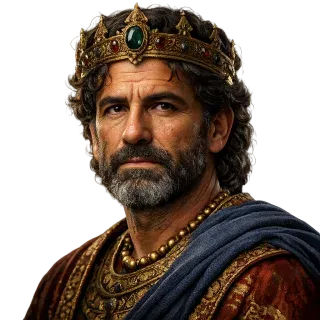
David
The shepherd-king who united Israel, and whose sins were as legendary as his psalms.
Explore David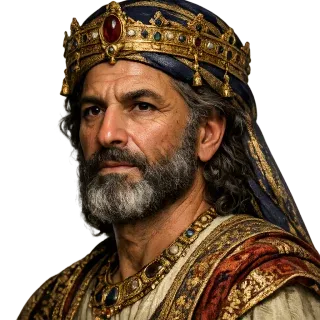
Solomon
The wisest king, who built the Temple and learned that wisdom alone is not enough.
Explore Solomon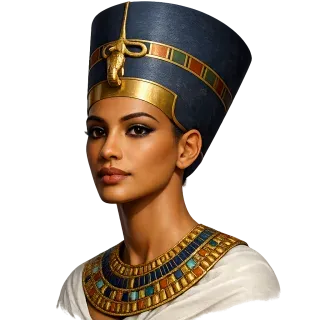
Nefertiti
The queen whose iconic beauty masks her role in ancient Egypt's most radical religious revolution and whose final fate remains history's enduring mystery.
Explore Nefertiti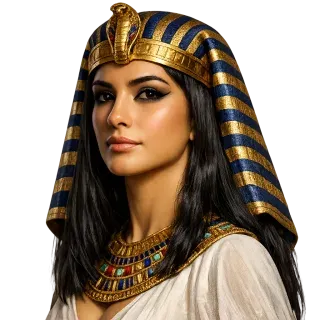
Cleopatra VII Philopator
The last pharaoh who wielded intelligence, wealth, and alliance to keep Egypt independent for two decades against the inexorable expansion of Rome.
Explore Cleopatra VII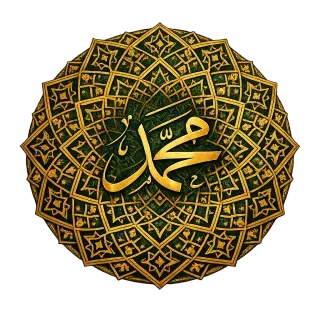
Muhammad
The Messenger whose call to worship God alone and live with justice transformed Arabia and shaped the faith of over a billion people.
Explore Prophet Muhammad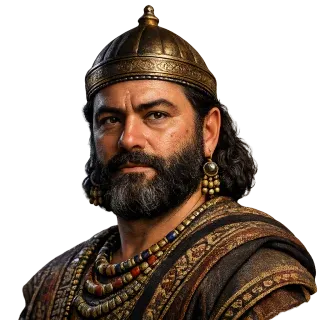
Sargon of Akkad
The cupbearer who became the world's first emperor, unifying Mesopotamia under Akkadian rule and creating the template for imperial administration.
Explore Sargon