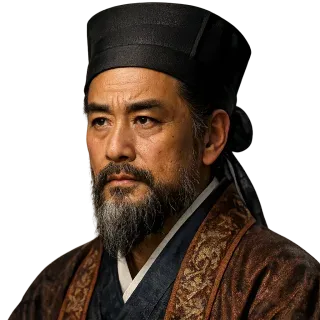
Zhu Xi
1130-1200 CE
The master who made Neo-Confucianism the curriculum of East Asian civilization.
Quick Facts
Key facts before you start.
- Known for
- Song dynasty Neo-Confucian philosopher who synthesized doctrine and commentary into a lasting curriculum
- Role
- Philosopher
- Era
- Medieval
- Region
- East Asia
- Life dates
- 1130-1200 CE
Starter Questions
Good first questions.
- How should I structure my day so that study actually changes how I live
- What does 'investigation of things' actually mean in practice
- How do I correct bad habits without being harsh on myself
Best For
What Zhu Xi is best at.
- Study & Character: Building disciplined learning that shapes conduct
- Ethical Frameworks: Applying li/qi to modern dilemmas
Question Paths
Go deeper.
Deeper Questions
- How do I tell the difference between understanding a principle intellectually and truly grasping it
- What does it mean that principle is one but its manifestations are many
- When should I trust gradual study and when should I trust intuition
Expert Questions
- How do I design a curriculum that forms character rather than just transmitting information
- How do I balance contemplation with the practical duties of citizenship and family
- What makes some learning traditions endure for centuries while others fade
Biography
About Zhu Xi.
Zhu Xi was born in 1130 CE in Fujian province during the Southern Song dynasty, a period when China had lost its northern territories to Jurchen invaders and Confucian scholars were rethinking their tradition's foundations. His father was a minor official who ensured Zhu Xi received a classical education, and the young scholar passed the civil service examinations at eighteen. But rather than pursue an administrative career, Zhu Xi devoted most of his life to scholarship, teaching, and the synthesis of what would become Neo-Confucianism (Lixue, 'Learning of Principle'). Building on the work of the Cheng brothers and Zhou Dunyi, he developed a comprehensive metaphysical and ethical system centered on li (principle) and qi (material force). Li is the rational pattern inherent in all things; qi is the material stuff that gives things their particular forms.
AI Chat
Chat with an AI Zhu Xi.
Historiqly lets you talk to an AI Zhu Xi that answers in character — grounded in Zhu Xi's real life as a philosopher and the medieval world they lived in. Ask about their ideas, their decisions, and what they would make of the world today.
Sources
Primary works and follow-on reading.
Primary Sources
- Zhuzi Yulei (Classified Conversations)
- Commentaries on the Four Books
- Reflections on Things at Hand (with Lü Zuqian)
- Reference profile for Zhu Xi
Further Reading
- Learning to Be a Sage - Daniel K. Gardner
- Zhu Xi and the Four Books - Daniel K. Gardner
FAQ
Frequently asked questions about Zhu Xi.
Who was Zhu Xi?
Zhu Xi was born in 1130 CE in Fujian province during the Southern Song dynasty, a period when China had lost its northern territories to Jurchen invaders and Confucian scholars were rethinking their tradition's foundations. His father was a minor official who ensured Zhu Xi received a classical education, and the young scholar passed the civil service examinations at eighteen. But rather than pursue an administrative career, Zhu Xi devoted most of his life to scholarship, teaching, and the synthesis of what would become Neo-Confucianism (Lixue, 'Learning of Principle'). Building on the work of the Cheng brothers and Zhou Dunyi, he developed a comprehensive metaphysical and ethical system centered on li (principle) and qi (material force). Li is the rational pattern inherent in all things; qi is the material stuff that gives things their particular forms.
What was Zhu Xi best known for?
Zhu Xi is best known as a philosopher. Song dynasty Neo-Confucian philosopher who synthesized doctrine and commentary into a lasting curriculum
When did Zhu Xi live?
Zhu Xi lived 1130-1200 CE, born in 1130 and died in 1200, during the medieval period.
What was Zhu Xi's IQ?
There is no verified IQ score for Zhu Xi — modern IQ testing only began in 1905, and the numbers attached to historical figures online are retrospective estimates, not real test results. Psychologists have occasionally published such estimates from biographical evidence, but historians treat them as speculation. The better measure of Zhu Xi's mind is the record itself, and you can explore it firsthand by asking the AI Zhu Xi how they thought through their hardest decisions.
Can I chat with an AI version of Zhu Xi?
Yes. Historiqly lets you chat with an AI Zhu Xi that responds in character and is grounded in their real life, work, and era. A good first question is: "How should I structure my day so that study actually changes how I live"
Related Figures
More minds to meet.

Adi Shankara
The wandering teacher who showed that liberation is not achievement but recognition of what you already are
Explore Shankara
Al-Ghazali
Theologian who bridged philosophy and Sufism
Explore Al-Ghazali
Ibn Khaldun
The Tunisian scholar who founded the scientific study of history and society through his analysis of ʿasabiyyah.
Explore Ibn Khaldun
Ibn Rushd
The Commentator, who proved that faith and reason speak with one voice when both are true
Explore Averroes
Ibn Sīnā
The Prince of Physicians who unified medicine and philosophy into a complete science of body and soul
Explore Avicenna
Saadia Gaon
Rationalist defender of Torah and tradition.
Explore Saadia