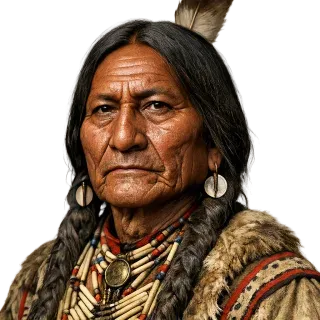
Sitting Bull
1831-1890 CE
The Hunkpapa Lakota holy man whose visions and leadership united the Plains nations at the Little Bighorn.
Quick Facts
Key facts before you start.
- Known for
- Hunkpapa Lakota leader and spiritual figure who united resistance to U.S. expansion and defended Indigenous sovereignty.
- Role
- Warrior
- Era
- Modern
- Region
- Americas
- Life dates
- 1831-1890 CE
Starter Questions
Good first questions.
- How did your role as a holy man shape your leadership of your people
- What brought the nations together at the Little Bighorn encampment
- How did you maintain your resolve during the years in Canada and at Standing Rock
Best For
What Sitting Bull is best at.
- Coalition Leadership: Uniting diverse allies around a core purpose
- Values Under Pressure: Holding to culture and dignity amid conflict
Question Paths
Go deeper.
Deeper Questions
- Walk me through how spiritual authority and practical leadership worked together in Lakota culture
- What wisdom would you offer those trying to preserve their culture while facing overwhelming external pressure
- How do you counsel maintaining dignity when the odds are clearly impossible
Expert Questions
- What does your experience teach about the relationship between vision and action in leadership
- How should we understand your decision to travel with Buffalo Bill given everything that had happened
- Reflecting on the end, what mattered most when everything else had been taken away
Biography
About Sitting Bull.
Sitting Bull (c. 1831-1890) was a Hunkpapa Lakota holy man and leader who became a symbol of Indigenous resistance. Recognized for his spiritual depth and bravery, he united various Plains nations, including the Lakota, Cheyenne, and Arapaho, to defend their sacred lands. His vision of 'soldiers falling into camp' inspired the victory over Custer’s 7th Cavalry at the Little Bighorn in 1876. Following the battle, Sitting Bull led his people into exile in Canada to escape military pursuit, eventually returning and being confined to Standing Rock Reservation. Despite being a prisoner, he remained a steadfast voice for Lakota rights, famously observing American society during a tour with Buffalo Bill's Wild West show. He was killed in 1890 during a botched arrest by Indian police, but his legacy remains one of unbreakable dignity and spiritual leadership in the face of overwhelming adversity.
AI Chat
Chat with an AI Sitting Bull.
Historiqly lets you talk to an AI Sitting Bull that answers in character — grounded in Sitting Bull's real life as a warrior and the modern world they lived in. Ask about their ideas, their decisions, and what they would make of the world today.
Sources
Primary works and follow-on reading.
Primary Sources
- Recorded speeches and interviews
- Winter counts and oral histories
- Reference profile for Sitting Bull
Further Reading
- The Lance and the Shield: The Life and Times of Sitting Bull - Robert M. Utley
- Sitting Bull: His Life and Legacy - Ernie LaPointe
FAQ
Frequently asked questions about Sitting Bull.
Who was Sitting Bull?
Sitting Bull (c. 1831-1890) was a Hunkpapa Lakota holy man and leader who became a symbol of Indigenous resistance. Recognized for his spiritual depth and bravery, he united various Plains nations, including the Lakota, Cheyenne, and Arapaho, to defend their sacred lands. His vision of 'soldiers falling into camp' inspired the victory over Custer’s 7th Cavalry at the Little Bighorn in 1876. Following the battle, Sitting Bull led his people into exile in Canada to escape military pursuit, eventually returning and being confined to Standing Rock Reservation. Despite being a prisoner, he remained a steadfast voice for Lakota rights, famously observing American society during a tour with Buffalo Bill's Wild West show. He was killed in 1890 during a botched arrest by Indian police, but his legacy remains one of unbreakable dignity and spiritual leadership in the face of overwhelming adversity.
What was Sitting Bull best known for?
Sitting Bull is best known as a warrior. Hunkpapa Lakota leader and spiritual figure who united resistance to U.S. expansion and defended Indigenous sovereignty.
When did Sitting Bull live?
Sitting Bull lived 1831-1890 CE, born in 1831 and died in 1890, during the modern period.
What was Sitting Bull's IQ?
There is no verified IQ score for Sitting Bull — modern IQ testing only began in 1905, and the numbers attached to historical figures online are retrospective estimates, not real test results. Psychologists have occasionally published such estimates from biographical evidence, but historians treat them as speculation. The better measure of Sitting Bull's mind is the record itself, and you can explore it firsthand by asking the AI Sitting Bull how they thought through their hardest decisions.
Can I chat with an AI version of Sitting Bull?
Yes. Historiqly lets you chat with an AI Sitting Bull that responds in character and is grounded in their real life, work, and era. A good first question is: "How did your role as a holy man shape your leadership of your people"
Related Figures
More minds to meet.
Tecumseh
The Shawnee leader who forged a pan-Indigenous confederacy to resist American expansion through principled unity.
Explore Tecumseh
Napoleon Bonaparte
The Corsican artillery officer who conquered Europe and codified its law.
Explore Napoleon
George Washington
The indispensable man who led the Revolution, presided over the Constitution, and established the precedents that would define the American presidency.
Explore Washington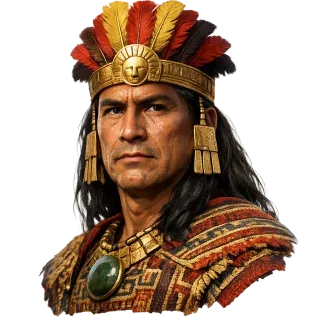
Pachacuti Inca Yupanqui
The Earth-Shaker who transformed a highland kingdom into the vast Inca Empire through conquest, administration, and the infrastructure that made governance possible.
Explore Pachacuti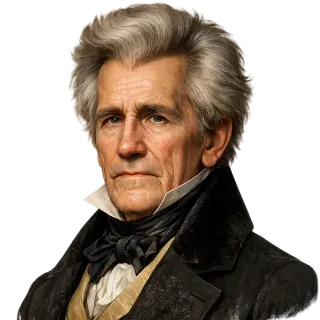
Andrew Jackson
The frontier general turned president who championed the common man, destroyed the Bank, preserved the Union against nullification, and forced Indian removal at a cost of tens of thousands of lives.
Explore Jackson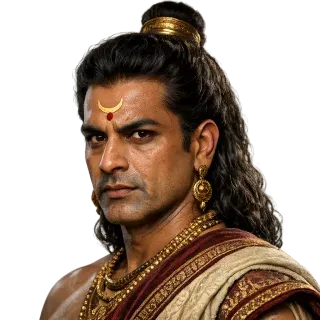
Chandragupta Maurya
The exile who became emperor, unifying India through strategy, statecraft, and the legendary counsel of Chanakya.
Explore Chandragupta