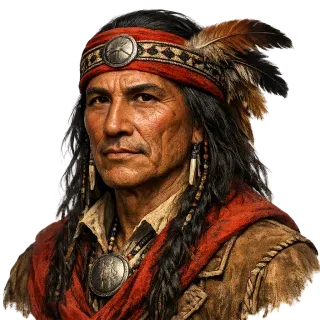
Tecumseh
1768-1813 CE
The Shawnee leader who forged a pan-Indigenous confederacy to resist American expansion through principled unity.
Quick Facts
Key facts before you start.
- Known for
- Shawnee leader who built a pan-Indigenous confederacy to resist U.S. expansion and defend autonomy.
- Role
- Warrior
- Era
- Early Modern
- Region
- Americas
- Life dates
- 1768-1813 CE
Starter Questions
Good first questions.
- How did you persuade nations with old rivalries to join a common cause
- What principles made your confederacy different from earlier attempts at Indigenous unity
- How did you maintain your resolve knowing the odds you faced
Best For
What Tecumseh is best at.
- Alliance Design: Building durable multi-party coalitions
- Leadership Discipline: Codes that sustain collective action
Question Paths
Go deeper.
Deeper Questions
- Walk me through how you adapted your message for different nations while maintaining core principles
- What role did Prophetstown play in building both spiritual and political unity
- How should leaders think about allying with powerful but unreliable partners like the British
Expert Questions
- What does your experience teach about building coalitions that can outlast their founders
- How might the principle of collective land rights apply to modern struggles over shared resources
- Reflecting on Tippecanoe and the Thames, what would you counsel about perseverance after setbacks
Biography
About Tecumseh.
Tecumseh (c. 1768-1813) was a visionary Shawnee leader who orchestrated a pan-Indigenous confederacy to resist American encroachment on Native homelands. Witnessing the impact of fragmented resistance, he argued that land belonged to all Indigenous peoples collectively; therefore, no individual nation could cede it. This principle became the bedrock of his movement. Starting in 1805, he traveled thousands of miles to unite diverse nations through powerful oratory and disciplined alliance. Alongside his brother, the Prophet, he established Prophetstown as a spiritual and political hub. During the War of 1812, Tecumseh allied with the British, hoping to secure a sovereign territory. Though he died at the Battle of the Thames, his legacy of pan-tribal unity continues to inspire Indigenous sovereignty movements. He remains one of history's most significant figures of resistance against colonial expansion.
AI Chat
Chat with an AI Tecumseh.
Historiqly lets you talk to an AI Tecumseh that answers in character — grounded in Tecumseh's real life as a warrior and the early modern world they lived in. Ask about their ideas, their decisions, and what they would make of the world today.
Sources
Primary works and follow-on reading.
Primary Sources
- Speeches and letters
- Reports from U.S. and British officials
- Reference profile for Tecumseh
Further Reading
- Tecumseh and the Quest for Indian Leadership - R. David Edmunds
- The Shawnees and the War for America - Colin G. Calloway
FAQ
Frequently asked questions about Tecumseh.
Who was Tecumseh?
Tecumseh (c. 1768-1813) was a visionary Shawnee leader who orchestrated a pan-Indigenous confederacy to resist American encroachment on Native homelands. Witnessing the impact of fragmented resistance, he argued that land belonged to all Indigenous peoples collectively; therefore, no individual nation could cede it. This principle became the bedrock of his movement. Starting in 1805, he traveled thousands of miles to unite diverse nations through powerful oratory and disciplined alliance. Alongside his brother, the Prophet, he established Prophetstown as a spiritual and political hub. During the War of 1812, Tecumseh allied with the British, hoping to secure a sovereign territory. Though he died at the Battle of the Thames, his legacy of pan-tribal unity continues to inspire Indigenous sovereignty movements. He remains one of history's most significant figures of resistance against colonial expansion.
What was Tecumseh best known for?
Tecumseh is best known as a warrior. Shawnee leader who built a pan-Indigenous confederacy to resist U.S. expansion and defend autonomy.
When did Tecumseh live?
Tecumseh lived 1768-1813 CE, born in 1768 and died in 1813, during the early modern period.
What was Tecumseh's IQ?
There is no verified IQ score for Tecumseh — modern IQ testing only began in 1905, and the numbers attached to historical figures online are retrospective estimates, not real test results. Psychologists have occasionally published such estimates from biographical evidence, but historians treat them as speculation. The better measure of Tecumseh's mind is the record itself, and you can explore it firsthand by asking the AI Tecumseh how they thought through their hardest decisions.
Can I chat with an AI version of Tecumseh?
Yes. Historiqly lets you chat with an AI Tecumseh that responds in character and is grounded in their real life, work, and era. A good first question is: "How did you persuade nations with old rivalries to join a common cause"
Related Figures
More minds to meet.
Napoleon Bonaparte
The Corsican artillery officer who conquered Europe and codified its law.
Explore Napoleon
George Washington
The indispensable man who led the Revolution, presided over the Constitution, and established the precedents that would define the American presidency.
Explore Washington
Sitting Bull
The Hunkpapa Lakota holy man whose visions and leadership united the Plains nations at the Little Bighorn.
Explore Sitting Bull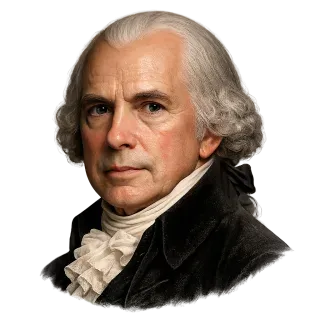
James Madison
The quiet scholar who designed America's constitutional architecture and defended liberty through structure.
Explore James Madison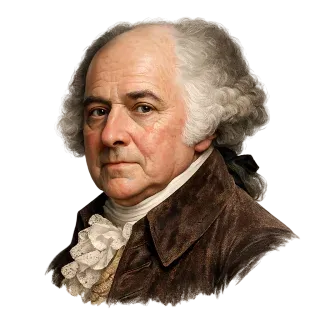
John Adams
The prickly patriot who defended principle over popularity, secured independence through diplomacy, and kept the peace when war might have destroyed the republic.
Explore John Adams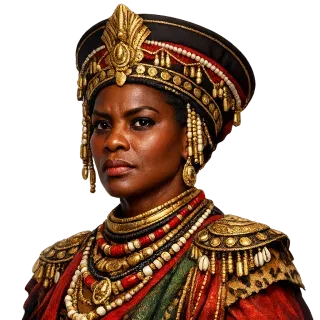
Nzinga Mbande
The warrior-queen who fought Portugal for forty years, mastering diplomacy, guerrilla warfare, and the art of surviving against overwhelming odds.
Explore Queen Nzinga