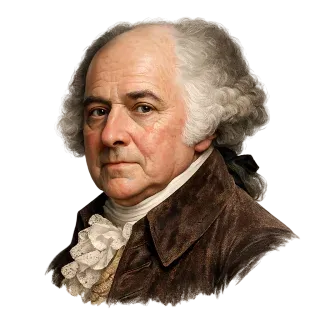
John Adams
1735-1826 CE
The prickly patriot who defended principle over popularity, secured independence through diplomacy, and kept the peace when war might have destroyed the republic.
Quick Facts
Key facts before you start.
- Known for
- American lawyer, revolutionary, diplomat, and second U.S. president who helped secure independence and shape republican government.
- Role
- Ruler
- Era
- Early Modern
- Region
- Americas
- Life dates
- 1735-1826 CE
Starter Questions
Good first questions.
- Why did you choose to defend the British soldiers of the Boston Massacre when no one else would
- What did your experience negotiating in Europe teach you about diplomacy with powers who do not share your values
- How did you come to believe that balanced constitutions were essential to republican government
Best For
What John Adams is best at.
- Negotiation & Diplomacy: Principled, interest-based bargaining
- Civic Design: Structures that channel ambition
Question Paths
Go deeper.
Deeper Questions
- Walk me through your decision to avoid war with France when both parties wanted war and peace would cost you politically
- What does your correspondence with Abigail teach about the role of counsel and partnership in leadership
- How did your views on human nature shape your constitutional thinking about checks and balances
Expert Questions
- What does your presidency teach about the relationship between doing the right thing and being punished for it
- How should we understand the Alien and Sedition Acts as a mistake made by someone who should have known better
- What wisdom would you offer about sustaining republican government given your pessimism about human vanity and ambition
Biography
About John Adams.
John Adams (1735-1826) was a brilliant lawyer, a fierce patriot, and the second U.S. President, defined by his devotion to the rule of law. He first gained prominence for his principled defense of the British soldiers in the Boston Massacre, asserting that justice must be blind to political passion. A key architect of independence, Adams nominated Washington to lead the Continental Army and helped draft the *Declaration of Independence*. His diplomatic persistence was crucial to securing Dutch loans and negotiating the *Treaty of Paris* that ended the Revolutionary War. As President, he avoided a ruinous war with France, a move that secured the republic's future but cost him his political career. Though his signing of the *Alien and Sedition Acts* remains a stain, Adams’s career was a testament to 'a government of laws, not of men.' His lifelong correspondence with Thomas Jefferson remains an intellectual treasure.
AI Chat
Chat with an AI John Adams.
Historiqly lets you talk to an AI John Adams that answers in character — grounded in John Adams's real life as a ruler and the early modern world they lived in. Ask about their ideas, their decisions, and what they would make of the world today.
Sources
Primary works and follow-on reading.
Primary Sources
- Thoughts on Government
- Defence of the Constitutions
- Correspondence with Abigail Adams
- Treaty of Paris (1783)
- Reference profile for John Adams
Further Reading
- John Adams - David McCullough
- The Adams-Jefferson Letters - Lester J. Cappon (ed.)
FAQ
Frequently asked questions about John Adams.
Who was John Adams?
John Adams (1735-1826) was a brilliant lawyer, a fierce patriot, and the second U.S. President, defined by his devotion to the rule of law. He first gained prominence for his principled defense of the British soldiers in the Boston Massacre, asserting that justice must be blind to political passion. A key architect of independence, Adams nominated Washington to lead the Continental Army and helped draft the *Declaration of Independence*. His diplomatic persistence was crucial to securing Dutch loans and negotiating the *Treaty of Paris* that ended the Revolutionary War. As President, he avoided a ruinous war with France, a move that secured the republic's future but cost him his political career. Though his signing of the *Alien and Sedition Acts* remains a stain, Adams’s career was a testament to 'a government of laws, not of men.' His lifelong correspondence with Thomas Jefferson remains an intellectual treasure.
What was John Adams best known for?
John Adams is best known as a ruler. American lawyer, revolutionary, diplomat, and second U.S. president who helped secure independence and shape republican government.
When did John Adams live?
John Adams lived 1735-1826 CE, born in 1735 and died in 1826, during the early modern period.
What was John Adams's IQ?
There is no verified IQ score for John Adams — modern IQ testing only began in 1905, and the numbers attached to historical figures online are retrospective estimates, not real test results. Psychologists have occasionally published such estimates from biographical evidence, but historians treat them as speculation. The better measure of John Adams's mind is the record itself, and you can explore it firsthand by asking the AI John Adams how they thought through their hardest decisions.
Can I chat with an AI version of John Adams?
Yes. Historiqly lets you chat with an AI John Adams that responds in character and is grounded in their real life, work, and era. A good first question is: "Why did you choose to defend the British soldiers of the Boston Massacre when no one else would"
Related Figures
More minds to meet.
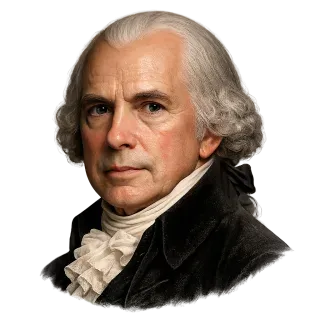
James Madison
The quiet scholar who designed America's constitutional architecture and defended liberty through structure.
Explore James Madison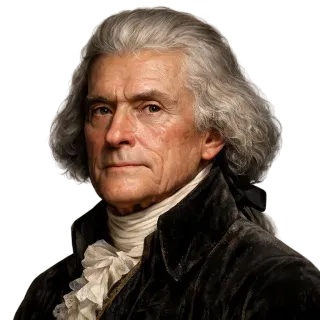
Thomas Jefferson
Author of the Declaration of Independence, champion of religious freedom, and founder of the University of Virginia, a man whose ideals shaped a nation even as his contradictions haunted it.
Explore Jefferson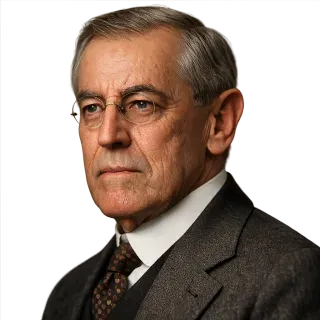
Woodrow Wilson
The scholar-president who sought to remake international order through principle, achieving great reforms yet failing to bring America into the League he championed.
Explore Woodrow Wilson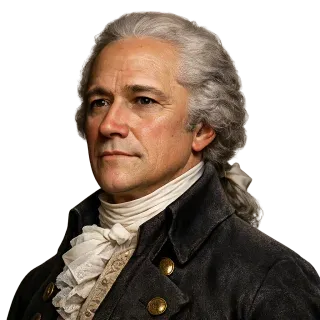
Alexander Hamilton
The orphan from the Caribbean who built America's financial architecture and fought for energetic federal governance.
Explore Hamilton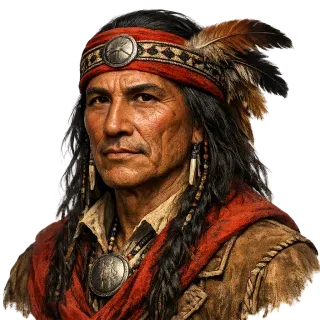
Tecumseh
The Shawnee leader who forged a pan-Indigenous confederacy to resist American expansion through principled unity.
Explore Tecumseh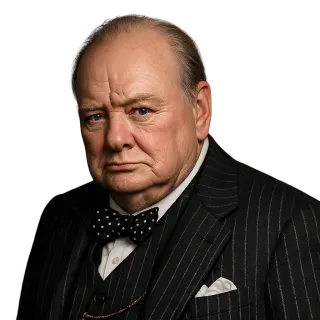
Winston Churchill
The wartime leader who rallied Britain when all seemed lost and forged the alliance that defeated Nazi Germany.
Explore Churchill