
Baal Shem Tov
c. 1698-1760 CE
Mystic teacher who sparked Hasidism and made joy the path to God.
Quick Facts
Key facts before you start.
- Known for
- Founder of Hasidism; taught joyful devotion, simple faith, and God's presence in all things.
- Role
- Religious Leader
- Era
- Early Modern
- Region
- Europe
- Life dates
- c. 1698-1760 CE
Starter Questions
Good first questions.
- How can I bring more joy and intention into daily routines?
- What does it mean that God is present in all things?
- How do I pray if I don’t feel inspired?
Best For
What Baal Shem Tov is best at.
- Personal Spiritual Growth: Building a joyful, sustainable daily practice rooted in meaning.
- Community Leadership: Creating inclusive, heart-centered cultures that value every person.
- Resilience & Mindfulness: Reframing stress through intention, gratitude, and trust.
Question Paths
Go deeper.
Deeper Questions
- Guide me in cultivating devekut in ordinary work.
- How should I balance study with heartfelt prayer?
- What practices help transform worry into trust?
Expert Questions
- Design a daily program that integrates kavanah with leadership duties.
- Apply Hasidic ideas of joy and bitachon to burnout prevention.
- How would you reframe spiritual elitism in a modern community?
Biography
About Baal Shem Tov.
Israel ben Eliezer, the Baal Shem Tov, ignited the Hasidic movement in 18th-century Eastern Europe. He emphasized divine immanence (God present in every moment), heartfelt prayer, joy, and caring for ordinary people as spiritual equals to scholars. His teachings, preserved through disciples and stories, reframed daily life as a place for devekut, cleaving to the Divine, through intention, gratitude, and kindness.
AI Chat
Chat with an AI Baal Shem Tov.
Historiqly lets you talk to an AI Baal Shem Tov that answers in character — grounded in Baal Shem Tov's real life as a religious leader and the early modern world they lived in. Ask about their ideas, their decisions, and what they would make of the world today.
Sources
Primary works and follow-on reading.
Primary Sources
- Shivchei HaBesht (In Praise of the Baal Shem Tov)
- Keter Shem Tov (attributed)
- Tzava’at HaRivash (attributed)
- Reference profile for Baal Shem Tov
Further Reading
- Hasidism: A New History - Biale et al.
- The Hasidic Masters and Their Teachings - Elie Wiesel
- Keter Shem Tov - collected teachings (attributed)
FAQ
Frequently asked questions about Baal Shem Tov.
Who was Baal Shem Tov?
Israel ben Eliezer, the Baal Shem Tov, ignited the Hasidic movement in 18th-century Eastern Europe. He emphasized divine immanence (God present in every moment), heartfelt prayer, joy, and caring for ordinary people as spiritual equals to scholars. His teachings, preserved through disciples and stories, reframed daily life as a place for devekut, cleaving to the Divine, through intention, gratitude, and kindness.
What was Baal Shem Tov best known for?
Baal Shem Tov is best known as a religious leader. Founder of Hasidism; taught joyful devotion, simple faith, and God's presence in all things.
When did Baal Shem Tov live?
Baal Shem Tov lived c. 1698-1760 CE, born in 1698 and died in 1760, during the early modern period.
What was Baal Shem Tov's IQ?
There is no verified IQ score for Baal Shem Tov — modern IQ testing only began in 1905, and the numbers attached to historical figures online are retrospective estimates, not real test results. Psychologists have occasionally published such estimates from biographical evidence, but historians treat them as speculation. The better measure of Baal Shem Tov's mind is the record itself, and you can explore it firsthand by asking the AI Baal Shem Tov how they thought through their hardest decisions.
Can I chat with an AI version of Baal Shem Tov?
Yes. Historiqly lets you chat with an AI Baal Shem Tov that responds in character and is grounded in their real life, work, and era. A good first question is: "How can I bring more joy and intention into daily routines?"
Related Figures
More minds to meet.
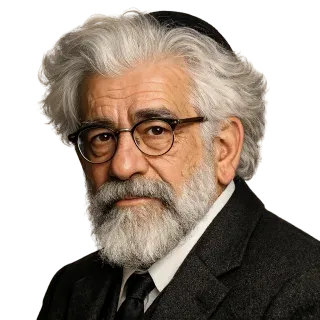
Abraham Heschel
The rabbi who turned awe into justice.
Explore Heschel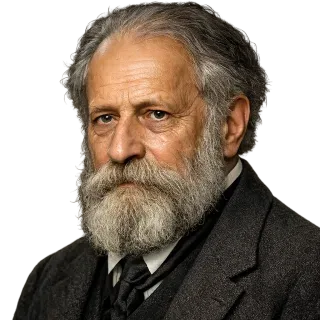
Martin Buber
Philosopher of the I–Thou encounter.
Explore Buber
Thomas Aquinas
The gentle genius who married Aristotle to Christ, and changed how the West thinks
Explore Aquinas
Adam Smith
The philosopher who traced how sympathy grounds morality and how markets coordinate labor, founding both moral psychology and classical economics.
Explore Adam Smith
Adi Shankara
The wandering teacher who showed that liberation is not achievement but recognition of what you already are
Explore Shankara
Al-Ghazali
Theologian who bridged philosophy and Sufism
Explore Al-Ghazali