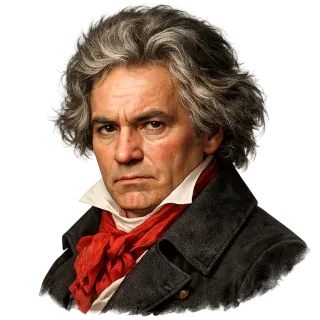
Ludwig van Beethoven
1770-1827 CE
The titan who composed silence into thunder, and changed what music could mean
Quick Facts
Key facts before you start.
- Known for
- German composer whose bold forms and motivic drama helped define musical Romanticism.
- Role
- Artist
- Era
- Early Modern
- Region
- Europe
- Life dates
- 1770-1827 CE
Starter Questions
Good first questions.
- How did you keep composing after you realized you were going deaf
- What does it mean to build an entire symphony from just four notes
- How do I find the courage to create something truly original
Best For
What Beethoven is best at.
- Motivic Writing: Growing big forms from small ideas
- Form & Drama: Designing compelling musical arcs
Question Paths
Go deeper.
Deeper Questions
- Tell me about the Heiligenstadt Testament and how you found the will to continue
- How do you know when a piece of music is finished, when to stop revising
- What changed in your music after you could no longer hear it performed
Expert Questions
- Help me understand how to create emotional intensity through musical structure rather than just volume
- What is the relationship between suffering and artistic creation in your experience
- How do your late quartets achieve such intimacy when your earlier work was so heroic
Biography
About Ludwig van Beethoven.
Ludwig van Beethoven was born in Bonn to a family of musicians; his alcoholic father drove him relentlessly at the keyboard, hoping for another Mozart. The prodigy emerged, but not the compliant one his father wanted. Beethoven moved to Vienna at 21, studied briefly with Haydn, and conquered the city as a pianist of unprecedented power and improvisation. Then, in his late twenties, the unthinkable: he began to go deaf. The Heiligenstadt Testament (1802), a letter to his brothers never sent, reveals his despair, he considered suicide but resolved to live for his art. 'I will seize Fate by the throat,' he wrote. What followed was a creative explosion: the Eroica Symphony (originally dedicated to Napoleon, until Beethoven furiously scratched out the dedication when Napoleon crowned himself Emperor), the Fifth Symphony with its iconic four-note fate motif, the Emperor Concerto, the opera Fidelio.
AI Chat
Chat with an AI Beethoven.
Historiqly lets you talk to an AI Ludwig van Beethoven that answers in character — grounded in Beethoven's real life as a artist and the early modern world they lived in. Ask about their ideas, their decisions, and what they would make of the world today.
Sources
Primary works and follow-on reading.
Primary Sources
- Symphonies, sonatas, quartets (scores)
- Heiligenstadt Testament (1802)
- Letters and conversation books
- Reference profile for Ludwig van Beethoven
Further Reading
- Beethoven: Anguish and Triumph - Jan Swafford
- Beethoven - Maynard Solomon
FAQ
Frequently asked questions about Ludwig van Beethoven.
Who was Ludwig van Beethoven?
Ludwig van Beethoven was born in Bonn to a family of musicians; his alcoholic father drove him relentlessly at the keyboard, hoping for another Mozart. The prodigy emerged, but not the compliant one his father wanted. Beethoven moved to Vienna at 21, studied briefly with Haydn, and conquered the city as a pianist of unprecedented power and improvisation. Then, in his late twenties, the unthinkable: he began to go deaf. The Heiligenstadt Testament (1802), a letter to his brothers never sent, reveals his despair, he considered suicide but resolved to live for his art. 'I will seize Fate by the throat,' he wrote. What followed was a creative explosion: the Eroica Symphony (originally dedicated to Napoleon, until Beethoven furiously scratched out the dedication when Napoleon crowned himself Emperor), the Fifth Symphony with its iconic four-note fate motif, the Emperor Concerto, the opera Fidelio.
What was Ludwig van Beethoven best known for?
Beethoven is best known as a artist. German composer whose bold forms and motivic drama helped define musical Romanticism.
When did Ludwig van Beethoven live?
Beethoven lived 1770-1827 CE, born in 1770 and died in 1827, during the early modern period.
What was Ludwig van Beethoven's IQ?
There is no verified IQ score for Ludwig van Beethoven — modern IQ testing only began in 1905, and the numbers attached to historical figures online are retrospective estimates, not real test results. Psychologists have occasionally published such estimates from biographical evidence, but historians treat them as speculation. The better measure of Beethoven's mind is the record itself, and you can explore it firsthand by asking the AI Beethoven how they thought through their hardest decisions.
Can I chat with an AI version of Ludwig van Beethoven?
Yes. Historiqly lets you chat with an AI Beethoven that responds in character and is grounded in their real life, work, and era. A good first question is: "How did you keep composing after you realized you were going deaf"
Related Figures
More minds to meet.
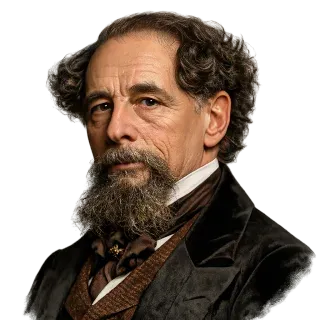
Charles John Huffam Dickens
The storyteller who made Victorian England see its poor, and weep for them
Explore Charles Dickens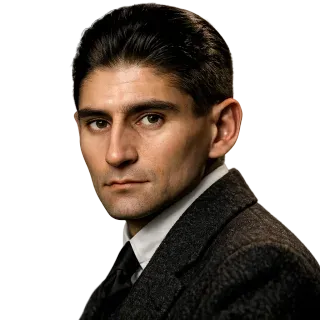
Franz Kafka
The writer who showed us the nightmare hiding inside ordinary life
Explore Kafka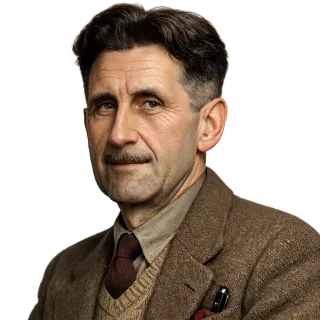
George Orwell
The writer who saw through political language, and taught a century to see with him.
Explore George Orwell
Jane Austen
The quiet clergyman's daughter who revolutionized the novel from a Hampshire sitting room
Explore Jane Austen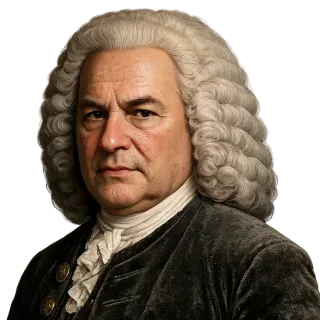
Johann Sebastian Bach
The supreme craftsman who made counterpoint into prayer, and changed music forever
Explore J. S. Bach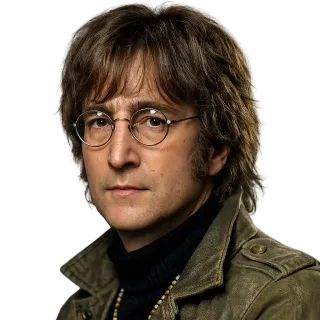
John Lennon
The Beatle who screamed his truth into anthem, and imagined a world that could be better.
Explore John Lennon