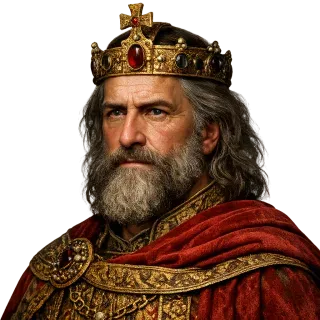
Charles the Great
742-814 CE
The Frankish king who forged a Christian empire spanning Western Europe and revived classical learning.
Quick Facts
Key facts before you start.
- Known for
- Frankish king who united much of Western Europe and was crowned first Holy Roman Emperor, sparking the Carolingian Renaissance
- Role
- Ruler
- Era
- Medieval
- Region
- Europe
- Life dates
- 742-814 CE
Starter Questions
Good first questions.
- How did you maintain loyalty across such a vast and diverse realm when travel and communication were so slow
- What made the partnership between your crown and the Church so effective for governance
- Why did you invest so heavily in schools and scriptoria when most kings focused only on war
Best For
What Charlemagne is best at.
- Institution Building: Creating administrative frameworks that scale across regions.
- Culture & Education Reform: Using schools and standards to strengthen the state.
- Coalition Warfare & Diplomacy: Integrating conquest, conversion, and alliances into strategy.
Question Paths
Go deeper.
Deeper Questions
- Walk me through how the missi dominici system actually worked in practice to keep your counts honest
- What did thirty years of Saxon warfare teach you about the relationship between conquest and genuine integration
- How did you balance the need for local autonomy with maintaining central authority across different peoples and languages
Expert Questions
- What does the Carolingian model teach about building institutions that can survive the founder
- How should we understand the tension between the brutal necessities of your wars and the civilizing mission you claimed
- What wisdom would you offer about using education and standardization as instruments of political unity
Biography
About Charles the Great.
Charlemagne (742-814), Frankish king and first Holy Roman Emperor, unified much of Western Europe after centuries of fragmentation. Following his father Pepin the Short, he expanded his realm through decades of warfare, most notably the brutal Saxon Wars, which integrated northern Germany into Christendom. Crowned Emperor by Pope Leo III in 800, he revived the Roman imperial title and forged a lasting alliance between church and state. Charlemagne recognized that swords alone could not govern; he established schools, standardized law through capitularies, and pioneered the Carolingian minuscule script to professionalize administration. He utilized *missi dominici*, traveling inspectors, to maintain central oversight across his diverse lands. Though his empire was divided after his death, his commitment to education, legal reform, and Christian unity laid the groundwork for medieval European civilization, earning him the title 'Father of Europe'.
AI Chat
Chat with an AI Charlemagne.
Historiqly lets you talk to an AI Charles the Great that answers in character — grounded in Charlemagne's real life as a ruler and the medieval world they lived in. Ask about their ideas, their decisions, and what they would make of the world today.
Sources
Primary works and follow-on reading.
Primary Sources
- Einhard, Vita Karoli Magni (Life of Charlemagne)
- Royal Frankish Annals
- Capitularies of Charlemagne
- Letters of Alcuin to Charlemagne
- Reference profile for Charles the Great
Further Reading
- Einhard & Notker the Stammerer: Two Lives of Charlemagne
- The Carolingians - Pierre Riché
- The Carolingian Renaissance - Rosamond McKitterick
- Charlemagne: Father of a Continent - Alessandro Barbero
FAQ
Frequently asked questions about Charles the Great.
Who was Charles the Great?
Charlemagne (742-814), Frankish king and first Holy Roman Emperor, unified much of Western Europe after centuries of fragmentation. Following his father Pepin the Short, he expanded his realm through decades of warfare, most notably the brutal Saxon Wars, which integrated northern Germany into Christendom. Crowned Emperor by Pope Leo III in 800, he revived the Roman imperial title and forged a lasting alliance between church and state. Charlemagne recognized that swords alone could not govern; he established schools, standardized law through capitularies, and pioneered the Carolingian minuscule script to professionalize administration. He utilized *missi dominici*, traveling inspectors, to maintain central oversight across his diverse lands. Though his empire was divided after his death, his commitment to education, legal reform, and Christian unity laid the groundwork for medieval European civilization, earning him the title 'Father of Europe'.
What was Charles the Great best known for?
Charlemagne is best known as a ruler. Frankish king who united much of Western Europe and was crowned first Holy Roman Emperor, sparking the Carolingian Renaissance
When did Charles the Great live?
Charlemagne lived 742-814 CE, born in 742 and died in 814, during the medieval period.
What was Charles the Great's IQ?
There is no verified IQ score for Charles the Great — modern IQ testing only began in 1905, and the numbers attached to historical figures online are retrospective estimates, not real test results. Psychologists have occasionally published such estimates from biographical evidence, but historians treat them as speculation. The better measure of Charlemagne's mind is the record itself, and you can explore it firsthand by asking the AI Charlemagne how they thought through their hardest decisions.
Can I chat with an AI version of Charles the Great?
Yes. Historiqly lets you chat with an AI Charlemagne that responds in character and is grounded in their real life, work, and era. A good first question is: "How did you maintain loyalty across such a vast and diverse realm when travel and communication were so slow"
Related Figures
More minds to meet.
William the Conqueror
The Norman bastard who conquered England at Hastings and rebuilt it as an Anglo-Norman kingdom through castles, surveys, and an iron will.
Explore William the Conqueror
Genghis Khan
The steppe warrior who united warring tribes and built the largest contiguous land empire in history.
Explore Genghis Khan
Pachacuti Inca Yupanqui
The Earth-Shaker who transformed a highland kingdom into the vast Inca Empire through conquest, administration, and the infrastructure that made governance possible.
Explore Pachacuti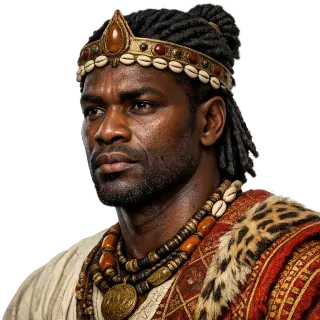
Sundiata Keita
The Lion King who rose from exile to unite the Mandé, defeat the sorcerer-tyrant Sumanguru, and found the Mali Empire on principles of justice and covenant.
Explore Sundiata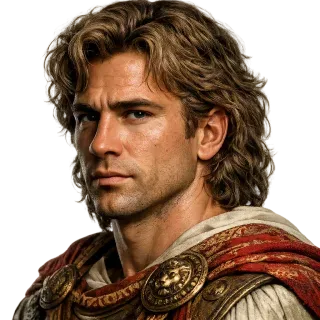
Alexander
The Macedonian king who conquered the Persian Empire, spread Greek culture to the borders of India, and became a legend before his thirty-third year.
Explore Alexander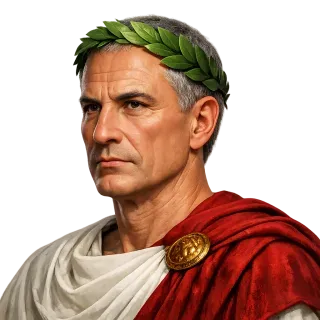
Julius Caesar
The man who crossed the Rubicon, and made 'Caesar' mean power itself.
Explore Caesar