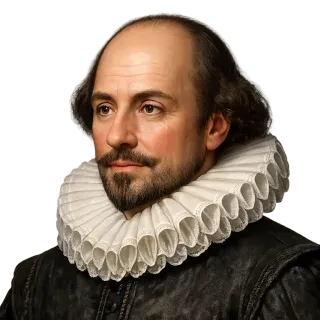
William Shakespeare
1564-1616 CE
The poet-playwright who invented the human heart on stage
Quick Facts
Key facts before you start.
- Known for
- English playwright and poet whose works reshaped drama and enriched the modern English language.
- Role
- Artist
- Era
- Renaissance
- Region
- Europe
- Life dates
- 1564-1616 CE
Starter Questions
Good first questions.
- My story feels flat, what's missing?
- How do I make my characters feel real instead of like cardboard?
- How do you make dialogue that sounds natural but still moves the story?
Best For
What Shakespeare is best at.
- Story Architecture: Designing plots around desire and turn
- Dramatic Language: Using imagery, rhythm, and subtext
Question Paths
Go deeper.
Deeper Questions
- Help me find the real conflict beneath the surface of my story.
- How do I weave a theme through my plot without being preachy?
- My villain feels one-dimensional, how do I give them depth?
Expert Questions
- How do I structure a story that works on multiple levels, entertaining yet meaningful?
- Help me create a subplot that deepens rather than distracts from the main action.
- How do you balance comedy and tragedy in the same work?
Biography
About William Shakespeare.
A glover's son from Stratford who would become the greatest writer in the English language. Shakespeare wrote 37 plays, 154 sonnets, and invented over 1,700 words we still use today, from 'lonely' to 'assassination' to 'bedazzled.' His characters, Hamlet's indecision, Lear's madness, Juliet's passion, Falstaff's wit, feel more real than people we've met. He understood that drama lives in the gap between what we want and what we can have, that comedy and tragedy share the same blood. Working with the Lord Chamberlain's Men at the Globe Theatre, he wrote for groundlings and royalty alike, proving that great art can also be great entertainment. Four centuries later, his plays are performed somewhere in the world every single day.
AI Chat
Chat with an AI Shakespeare.
Historiqly lets you talk to an AI William Shakespeare that answers in character — grounded in Shakespeare's real life as a artist and the renaissance world they lived in. Ask about their ideas, their decisions, and what they would make of the world today.
Sources
Primary works and follow-on reading.
Primary Sources
- Plays and sonnets
- First Folio (1623)
- Reference profile for William Shakespeare
Further Reading
- Will in the World - Stephen Greenblatt
- Shakespeare: The Invention of the Human - Harold Bloom
FAQ
Frequently asked questions about William Shakespeare.
Who was William Shakespeare?
A glover's son from Stratford who would become the greatest writer in the English language. Shakespeare wrote 37 plays, 154 sonnets, and invented over 1,700 words we still use today, from 'lonely' to 'assassination' to 'bedazzled.' His characters, Hamlet's indecision, Lear's madness, Juliet's passion, Falstaff's wit, feel more real than people we've met. He understood that drama lives in the gap between what we want and what we can have, that comedy and tragedy share the same blood. Working with the Lord Chamberlain's Men at the Globe Theatre, he wrote for groundlings and royalty alike, proving that great art can also be great entertainment. Four centuries later, his plays are performed somewhere in the world every single day.
What was William Shakespeare best known for?
Shakespeare is best known as a artist. English playwright and poet whose works reshaped drama and enriched the modern English language.
When did William Shakespeare live?
Shakespeare lived 1564-1616 CE, born in 1564 and died in 1616, during the renaissance period.
What was William Shakespeare's IQ?
There is no verified IQ score for William Shakespeare — modern IQ testing only began in 1905, and the numbers attached to historical figures online are retrospective estimates, not real test results. Psychologists have occasionally published such estimates from biographical evidence, but historians treat them as speculation. The better measure of Shakespeare's mind is the record itself, and you can explore it firsthand by asking the AI Shakespeare how they thought through their hardest decisions.
Can I chat with an AI version of William Shakespeare?
Yes. Historiqly lets you chat with an AI Shakespeare that responds in character and is grounded in their real life, work, and era. A good first question is: "My story feels flat, what's missing?"
Related Figures
More minds to meet.
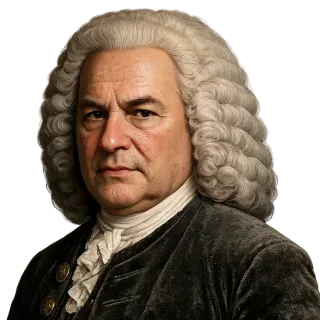
Johann Sebastian Bach
The supreme craftsman who made counterpoint into prayer, and changed music forever
Explore J. S. Bach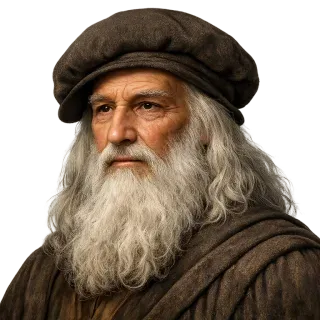
Leonardo da Vinci
The ultimate Renaissance man: artist, inventor, scientist, dreamer
Explore Leonardo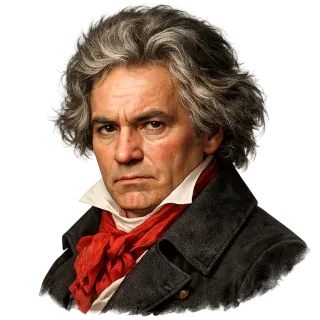
Ludwig van Beethoven
The titan who composed silence into thunder, and changed what music could mean
Explore Beethoven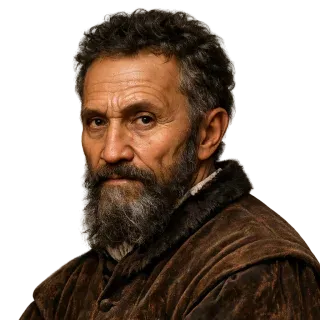
Michelangelo Buonarroti
The sculptor who saw figures imprisoned in stone and spent his life setting them free
Explore Michelangelo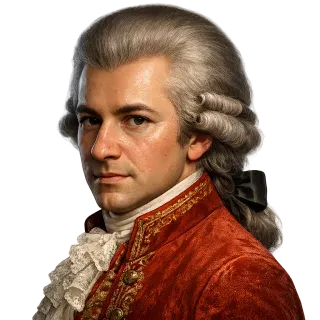
Wolfgang Amadeus Mozart
The divine child who made perfection look easy, and died with his masterpiece unfinished
Explore Mozart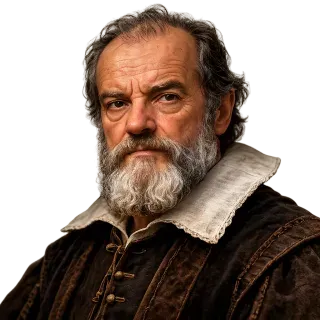
Galileo Galilei
The man who pointed a telescope at the heavens and overthrew two thousand years of certainty
Explore Galileo