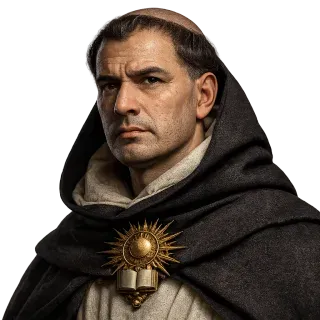
Thomas Aquinas
1225-1274 CE
The gentle genius who married Aristotle to Christ, and changed how the West thinks
Quick Facts
Key facts before you start.
- Known for
- Medieval theologian and philosopher who synthesized Aristotelian reason with Christian doctrine into Scholastic method.
- Role
- Philosopher
- Era
- Medieval
- Region
- Europe
- Life dates
- 1225-1274 CE
Starter Questions
Good first questions.
- How do I think more clearly about a confusing question
- Can you explain the difference between knowing something exists and knowing what it is
- What makes an action morally good or bad according to natural law
Best For
What Aquinas is best at.
- Reasoned Theology: Uniting faith and reason
- Ethical Analysis: Applying natural law to cases
Question Paths
Go deeper.
Deeper Questions
- How would you respond to someone who says faith and reason are fundamentally opposed
- I'm trying to make a difficult ethical decision, can you walk me through your method
- What did you learn from the Muslim philosophers that Christians had missed
Expert Questions
- Help me construct a complete quaestio on a contemporary ethical dilemma
- How does your understanding of analogy avoid both univocity and equivocation when speaking of God
- What role does prudence play in applying universal principles to particular situations
Biography
About Thomas Aquinas.
When young Thomas joined the new Dominican order against his noble family's wishes, they kidnapped him and locked him in a castle for a year. He spent the time memorizing Scripture and studying Aristotle. They called him the 'Dumb Ox' because he was large, quiet, and slow to speak, but when he did speak, his arguments were devastating. Thomas faced a crisis: the rediscovery of Aristotle's complete works through Arabic translations threatened to split faith from reason. Many wanted to ban Aristotle; Thomas chose instead to baptize him. His Summa Theologiae, meant as a 'brief' textbook for beginners, became the most comprehensive synthesis of Christian thought ever written: thousands of articles, each beginning with objections he stated more forcefully than his opponents could, then systematically resolved. He wrote on God's existence, the nature of the soul, law, virtue, and the proper ordering of society.
AI Chat
Chat with an AI Aquinas.
Historiqly lets you talk to an AI Thomas Aquinas that answers in character — grounded in Aquinas's real life as a philosopher and the medieval world they lived in. Ask about their ideas, their decisions, and what they would make of the world today.
Sources
Primary works and follow-on reading.
Primary Sources
- Summa Theologiae
- Summa contra Gentiles
- Commentaries on Aristotle
- Reference profile for Thomas Aquinas
Further Reading
- Aquinas: A Very Short Introduction - Fergus Kerr
- Thomas Aquinas - Brian Davies
FAQ
Frequently asked questions about Thomas Aquinas.
Who was Thomas Aquinas?
When young Thomas joined the new Dominican order against his noble family's wishes, they kidnapped him and locked him in a castle for a year. He spent the time memorizing Scripture and studying Aristotle. They called him the 'Dumb Ox' because he was large, quiet, and slow to speak, but when he did speak, his arguments were devastating. Thomas faced a crisis: the rediscovery of Aristotle's complete works through Arabic translations threatened to split faith from reason. Many wanted to ban Aristotle; Thomas chose instead to baptize him. His Summa Theologiae, meant as a 'brief' textbook for beginners, became the most comprehensive synthesis of Christian thought ever written: thousands of articles, each beginning with objections he stated more forcefully than his opponents could, then systematically resolved. He wrote on God's existence, the nature of the soul, law, virtue, and the proper ordering of society.
What was Thomas Aquinas best known for?
Aquinas is best known as a philosopher. Medieval theologian and philosopher who synthesized Aristotelian reason with Christian doctrine into Scholastic method.
When did Thomas Aquinas live?
Aquinas lived 1225-1274 CE, born in 1225 and died in 1274, during the medieval period.
What was Thomas Aquinas's IQ?
There is no verified IQ score for Thomas Aquinas — modern IQ testing only began in 1905, and the numbers attached to historical figures online are retrospective estimates, not real test results. Psychologists have occasionally published such estimates from biographical evidence, but historians treat them as speculation. The better measure of Aquinas's mind is the record itself, and you can explore it firsthand by asking the AI Aquinas how they thought through their hardest decisions.
Can I chat with an AI version of Thomas Aquinas?
Yes. Historiqly lets you chat with an AI Aquinas that responds in character and is grounded in their real life, work, and era. A good first question is: "How do I think more clearly about a confusing question"
Related Figures
More minds to meet.
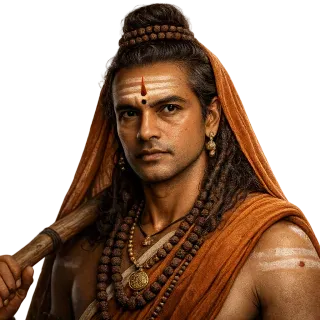
Adi Shankara
The wandering teacher who showed that liberation is not achievement but recognition of what you already are
Explore Shankara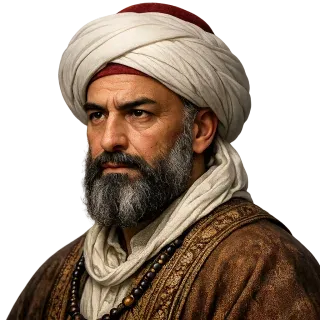
Al-Ghazali
Theologian who bridged philosophy and Sufism
Explore Al-Ghazali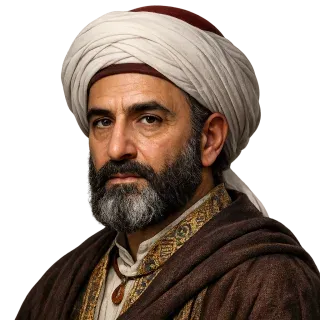
Saadia Gaon
Rationalist defender of Torah and tradition.
Explore Saadia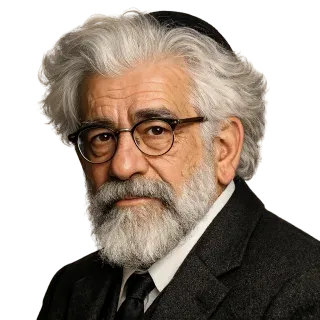
Abraham Heschel
The rabbi who turned awe into justice.
Explore Heschel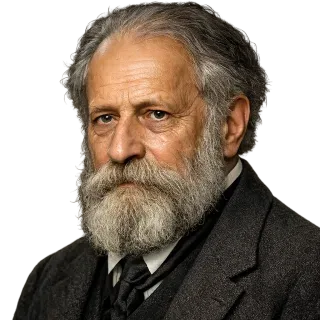
Martin Buber
Philosopher of the I–Thou encounter.
Explore Buber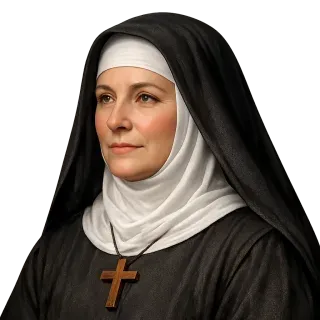
Hildegard of Bingen
The Sybil of the Rhine, mystic, abbess, composer, healer, and voice of the Living Light.
Explore Hildegard