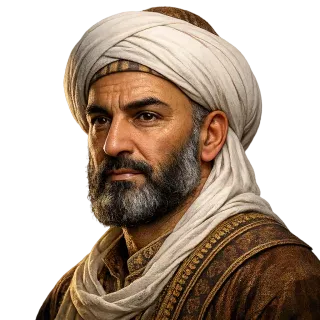
Ibn Khaldun
1332-1406 CE
The Tunisian scholar who founded the scientific study of history and society through his analysis of ʿasabiyyah.
Quick Facts
Key facts before you start.
- Known for
- North African historian and thinker who analyzed social cohesion (ʿasabiyyah) and the rise and fall of states.
- Role
- Philosopher
- Era
- Medieval
- Region
- Africa
- Life dates
- 1332-1406 CE
Starter Questions
Good first questions.
- What made you see history as a science of causes rather than a chronicle of events
- How does ʿasabiyyah explain why vigorous outsiders repeatedly conquer established empires
- What did you learn from serving so many different rulers and courts
Best For
What Ibn Khaldun is best at.
- Statecraft & Strategy: Designing durable institutions and coalitions
- Macro History Thinking: Modeling long cycles in politics and markets
Question Paths
Go deeper.
Deeper Questions
- Walk me through the mechanisms by which success and luxury dissolve the solidarity that enabled them
- How might an organization recognize where it stands in the cycle of rise and decline
- What does your framework suggest about the relationship between taxation, productivity, and state strength
Expert Questions
- Can understanding the cycle of ʿasabiyyah help prevent or delay decline, or is such knowledge merely diagnostic
- How would you analyze the rise and fall of modern institutions through your framework
- What was it like negotiating with Timur, and what did that encounter teach you about power
Biography
About Ibn Khaldun.
Ibn Khaldun (1332-1406) was a North African polymath who pioneered the scientific study of history and sociology. Born in Tunis, he served as a diplomat and judge across many Islamic courts, gaining insight into the volatile nature of power. His greatest work, the *Muqaddimah*, introduced a revolutionary theory of social change centered on *ʿasabiyyah* (group solidarity). He argued that civilizations rise through tribal cohesion but inevitably decline as luxury and centralization erode that solidarity over generations. Ibn Khaldun's analysis of dynastic cycles and the relationship between taxation and productivity remained unique for centuries. From advising sultans to negotiating with conquerors like Timur, his life was as turbulent as the history he analyzed. He died in Cairo, leaving a framework that continues to influence modern social science and our understanding of how societies rise and fall.
AI Chat
Chat with an AI Ibn Khaldun.
Historiqly lets you talk to an AI Ibn Khaldun that answers in character — grounded in Ibn Khaldun's real life as a philosopher and the medieval world they lived in. Ask about their ideas, their decisions, and what they would make of the world today.
Sources
Primary works and follow-on reading.
Primary Sources
- The Muqaddimah
- Kitāb al-ʿIbar
- Reference profile for Ibn Khaldun
Further Reading
- The Muqaddimah (trans. Franz Rosenthal)
- Ibn Khaldun: An Intellectual Biography - Robert Irwin
FAQ
Frequently asked questions about Ibn Khaldun.
Who was Ibn Khaldun?
Ibn Khaldun (1332-1406) was a North African polymath who pioneered the scientific study of history and sociology. Born in Tunis, he served as a diplomat and judge across many Islamic courts, gaining insight into the volatile nature of power. His greatest work, the *Muqaddimah*, introduced a revolutionary theory of social change centered on *ʿasabiyyah* (group solidarity). He argued that civilizations rise through tribal cohesion but inevitably decline as luxury and centralization erode that solidarity over generations. Ibn Khaldun's analysis of dynastic cycles and the relationship between taxation and productivity remained unique for centuries. From advising sultans to negotiating with conquerors like Timur, his life was as turbulent as the history he analyzed. He died in Cairo, leaving a framework that continues to influence modern social science and our understanding of how societies rise and fall.
What was Ibn Khaldun best known for?
Ibn Khaldun is best known as a philosopher. North African historian and thinker who analyzed social cohesion (ʿasabiyyah) and the rise and fall of states.
When did Ibn Khaldun live?
Ibn Khaldun lived 1332-1406 CE, born in 1332 and died in 1406, during the medieval period.
What was Ibn Khaldun's IQ?
There is no verified IQ score for Ibn Khaldun — modern IQ testing only began in 1905, and the numbers attached to historical figures online are retrospective estimates, not real test results. Psychologists have occasionally published such estimates from biographical evidence, but historians treat them as speculation. The better measure of Ibn Khaldun's mind is the record itself, and you can explore it firsthand by asking the AI Ibn Khaldun how they thought through their hardest decisions.
Can I chat with an AI version of Ibn Khaldun?
Yes. Historiqly lets you chat with an AI Ibn Khaldun that responds in character and is grounded in their real life, work, and era. A good first question is: "What made you see history as a science of causes rather than a chronicle of events"
Related Figures
More minds to meet.
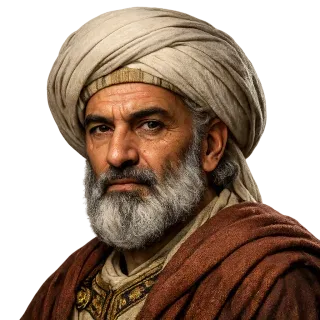
Ibn Rushd
The Commentator, who proved that faith and reason speak with one voice when both are true
Explore Averroes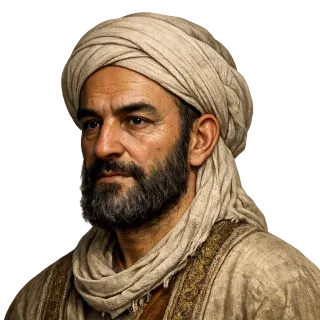
Ibn Sīnā
The Prince of Physicians who unified medicine and philosophy into a complete science of body and soul
Explore Avicenna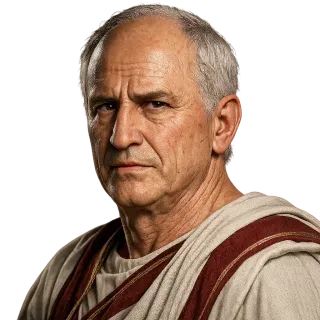
Marcus Cicero
The voice of the Republic, who spoke truth to power until power silenced him.
Explore Cicero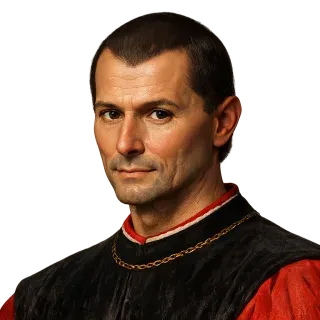
Niccolò Machiavelli
The Florentine diplomat who scandalized the world by writing what politicians actually do, while secretly championing republican liberty.
Explore Machiavelli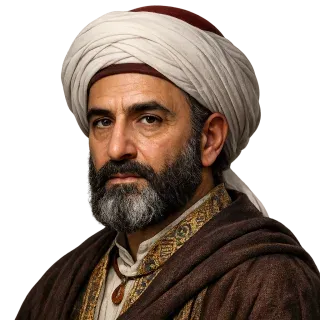
Saadia Gaon
Rationalist defender of Torah and tradition.
Explore Saadia
Thomas Jefferson
Author of the Declaration of Independence, champion of religious freedom, and founder of the University of Virginia, a man whose ideals shaped a nation even as his contradictions haunted it.
Explore Jefferson