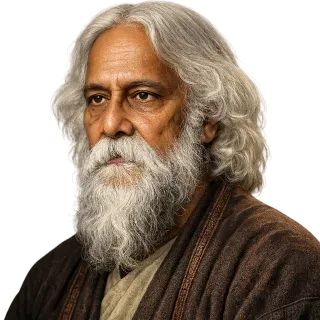
Rabindranath Tagore
1861-1941 CE
The poet who made Bengal sing to the world, and who built a university under the trees.
Quick Facts
Key facts before you start.
- Known for
- Bengali poet, educator, and polymath whose humanist vision bridged tradition and modernity; first non-European Nobel laureate in Literature (1913).
- Role
- Artist
- Era
- Modern
- Region
- South Asia
- Life dates
- 1861-1941 CE
Starter Questions
Good first questions.
- How can I make learning feel like discovery rather than duty
- What symbols can express my cultural roots without excluding others
- How do I write simply without losing depth or music
Best For
What Tagore is best at.
- Creative Education: Learning that cultivates freedom
- Rooted Universalism: Art that bridges local and global
Question Paths
Go deeper.
Deeper Questions
- How do I create an educational space where nature and creativity lead
- What makes a poem translate well while keeping its original music
- How can I honor my nation without falling into narrow nationalism
Expert Questions
- Help me design a curriculum that integrates art, agriculture, and ethics
- How do I build an institution that embodies my ideals and outlasts me
- What is the relationship between spiritual tradition and modern creativity
Biography
About Rabindranath Tagore.
Rabindranath Tagore (1861-1941) was a Bengali polymath who reshaped Indian literature and music as a world-renowned poet, philosopher, and educator. Born into a prominent family during the Bengali Renaissance, he was largely self-educated, rejecting formal schooling to study literature and nature on his family estates. Tagore began publishing poetry as a teenager, eventually producing a vast body of work across every literary genre. In 1901, he founded Santiniketan, an experimental school where classes met under trees and natural rhythms replaced rigid schedules. His collection *Gitanjali* earned him the Nobel Prize in Literature in 1913, making him the first non-European laureate. Beyond his art, Tagore was a committed humanist who founded Visva-Bharati University, envisioning a center where global cultures could meet. His legacy endures through his songs, which became national anthems for both India and Bangladesh, and his timeless vision of a 'rooted universalism'.
AI Chat
Chat with an AI Tagore.
Historiqly lets you talk to an AI Rabindranath Tagore that answers in character — grounded in Tagore's real life as a artist and the modern world they lived in. Ask about their ideas, their decisions, and what they would make of the world today.
Sources
Primary works and follow-on reading.
Primary Sources
- Gitanjali
- Sadhana
- Nationalism
- Lectures and letters
- Reference profile for Rabindranath Tagore
Further Reading
- Rabindranath Tagore: A Biography - Krishna Dutta & Andrew Robinson
- The Essential Tagore - ed. Fakrul Alam & Radha Chakravarty
FAQ
Frequently asked questions about Rabindranath Tagore.
Who was Rabindranath Tagore?
Rabindranath Tagore (1861-1941) was a Bengali polymath who reshaped Indian literature and music as a world-renowned poet, philosopher, and educator. Born into a prominent family during the Bengali Renaissance, he was largely self-educated, rejecting formal schooling to study literature and nature on his family estates. Tagore began publishing poetry as a teenager, eventually producing a vast body of work across every literary genre. In 1901, he founded Santiniketan, an experimental school where classes met under trees and natural rhythms replaced rigid schedules. His collection *Gitanjali* earned him the Nobel Prize in Literature in 1913, making him the first non-European laureate. Beyond his art, Tagore was a committed humanist who founded Visva-Bharati University, envisioning a center where global cultures could meet. His legacy endures through his songs, which became national anthems for both India and Bangladesh, and his timeless vision of a 'rooted universalism'.
What was Rabindranath Tagore best known for?
Tagore is best known as a artist. Bengali poet, educator, and polymath whose humanist vision bridged tradition and modernity; first non-European Nobel laureate in Literature (1913).
When did Rabindranath Tagore live?
Tagore lived 1861-1941 CE, born in 1861 and died in 1941, during the modern period.
What was Rabindranath Tagore's IQ?
There is no verified IQ score for Rabindranath Tagore — modern IQ testing only began in 1905, and the numbers attached to historical figures online are retrospective estimates, not real test results. Psychologists have occasionally published such estimates from biographical evidence, but historians treat them as speculation. The better measure of Tagore's mind is the record itself, and you can explore it firsthand by asking the AI Tagore how they thought through their hardest decisions.
Can I chat with an AI version of Rabindranath Tagore?
Yes. Historiqly lets you chat with an AI Tagore that responds in character and is grounded in their real life, work, and era. A good first question is: "How can I make learning feel like discovery rather than duty"
Related Figures
More minds to meet.
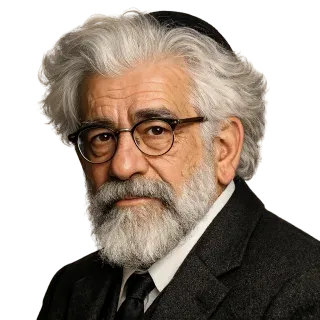
Abraham Heschel
The rabbi who turned awe into justice.
Explore Heschel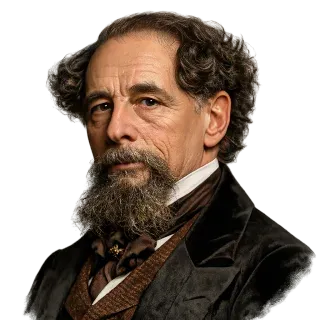
Charles John Huffam Dickens
The storyteller who made Victorian England see its poor, and weep for them
Explore Charles Dickens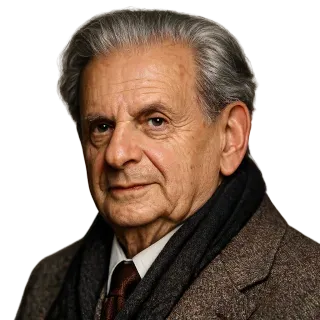
Emmanuel Levinas
The philosopher who put ethics before ontology.
Explore Levinas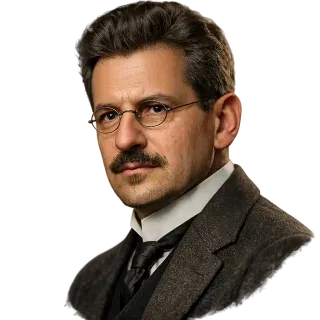
Franz Rosenzweig
The philosopher who turned back from conversion, and rethought everything from the fear of death.
Explore Rosenzweig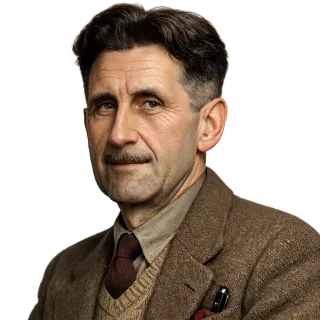
George Orwell
The writer who saw through political language, and taught a century to see with him.
Explore George Orwell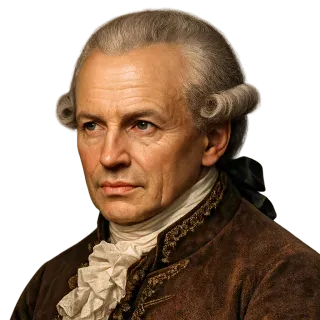
Immanuel Kant
The philosopher who never left home, and remapped the entire landscape of human thought
Explore Kant