
Biography
Overview
Sir Winston Churchill (1874-1965) was the British Prime Minister who led the United Kingdom through its 'finest hour' during World War II. A prolific writer, soldier, and statesman, Churchill’s career spanned the Boer War to the Cold War. After years in the political wilderness warning of the Nazi threat, he took power in 1940 as France collapsed.
His robust rhetoric and refusal to surrender rallied the British people and forged the 'Grand Alliance' with the U.S. and USSR. Beyond his wartime leadership, Churchill was a Nobel Prize-winning historian and a central figure in 20th-century global politics. Though his legacy is complex, marked by controversies in India and the Dardanelles, his indomitable will and strategic vision were instrumental in defeating tyranny. He remains a quintessential symbol of crisis leadership, demonstrating the power of language to transform national fear into collective resolve.
Churchill’s world, year by year
18741965
Drag the needle, or use the arrow keys, to move through Churchill’s life.
Dated facts
Account · checked against Wikipedia Read the source
- 1874Winston Leonard Spencer Churchill was born on 30 November 1874 at Blenheim Palace in Oxfordshire.
- 1895He joined the British Army in 1895, serving in British India, the Mahdist War and the Second Boer War.
- 1900Elected a Conservative MP in 1900, he defected to the Liberals in 1904.
- 1925As Chancellor of the Exchequer he returned sterling to the gold standard in 1925.
- 1940He was prime minister from May 1940 to 1945, leading Britain through the Second World War, and again from 1951 to 1955.
- 1953He was awarded the Nobel Prize in Literature in 1953.
- 1965After a final stroke on 10 January 1965, he died at his London home, 28 Hyde Park Gate, on 24 January 1965.
Alive at the same time
Overlap Same years; not influence
Wars during this life
- World War I
- World War II
- Banana Wars
- Chinese Civil War
- Somaliland Campaign (Dervish War)
- Italo-Senussi War
Sources
Primary works and follow-on reading.
Primary Sources
- Speeches to Parliament (1939–45)
- The Second World War (memoirs)
- Cabinet papers and correspondence
- Reference profile for Winston Churchill
Further Reading
- Churchill: A Life - Martin Gilbert
- In Command of History - David Reynolds
FAQ
Frequently asked questions about Winston Churchill.
Who was Winston Churchill?
Sir Winston Churchill (1874-1965) was the British Prime Minister who led the United Kingdom through its 'finest hour' during World War II. A prolific writer, soldier, and statesman, Churchill’s career spanned the Boer War to the Cold War. After years in the political wilderness warning of the Nazi threat, he took power in 1940 as France collapsed. His robust rhetoric and refusal to surrender rallied the British people and forged the 'Grand Alliance' with the U.S. and USSR. Beyond his wartime leadership, Churchill was a Nobel Prize-winning historian and a central figure in 20th-century global politics. Though his legacy is complex, marked by controversies in India and the Dardanelles, his indomitable will and strategic vision were instrumental in defeating tyranny. He remains a quintessential symbol of crisis leadership, demonstrating the power of language to transform national fear into collective resolve.
What was Winston Churchill best known for?
Churchill is best known as a ruler. British statesman, writer, and wartime prime minister who led the UK through World War II
When did Winston Churchill live?
Churchill lived 1874-1965 CE, born in 1874 and died in 1965, during the modern period.
Can I chat with an AI version of Winston Churchill?
Yes, free. Anyone can ask Churchill, and a first question needs no account. Every answer is a Simulation in character, grounded in Churchill’s real life, work and era. A good first question is: "How did you find the words to rally Britain when the situation seemed hopeless in 1940?"
Explore this history
Related Figures
Related historical figures
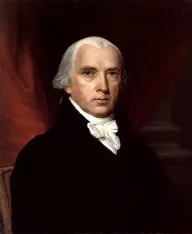
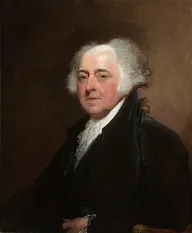
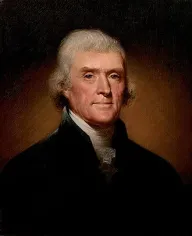
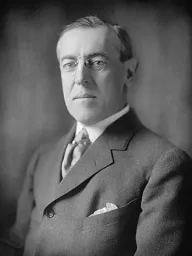
AI conversationPlan: Free
Explore this life through conversation
Ask about Churchill’s life, ideas, and world.
Ask here while you explore, or continue on the full chat website.
Chat on this page
Starter Questions
Good first questions.
Tap a question to put it in the chat box. Nothing is sent until you press Send.
- How did you find the words to rally Britain when the situation seemed hopeless in 1940?
- What made the alliance with Roosevelt and Stalin hold together despite such different interests and ideologies?
- How did you balance being honest about the dangers with inspiring confidence that they could be overcome?
More conversation ideas
Best For
What Churchill is best at.
- Crisis Leadership: Steering teams through sustained adversity
- Strategic Communication: Language that aligns action and belief
Question Paths
Go deeper.
Deeper Questions
- Walk me through how you constructed your great wartime speeches to move people from fear to resolve.
- What did you learn from the Gallipoli disaster about the relationship between strategic vision and operational reality?
- How did you manage the tension between your desire to direct military operations and the need to defer to professional judgment?
Expert Questions
- What does your career teach about the relationship between being right on the big question and being wrong on many smaller ones?
- How should we understand the moral authority that came from your years in the wilderness warning about Hitler?
- What wisdom would you offer about sustaining will and morale through prolonged adversity when the end is not in sight?
An optional simulation inspired by this life. Responses may contain mistakes and are not historical testimony.
Cite this page
“Winston Churchill.” HistorIQly. https://historiqly.com/ai-historical-figures/winston-churchill/
Add the date you accessed this page if your citation style requires it.