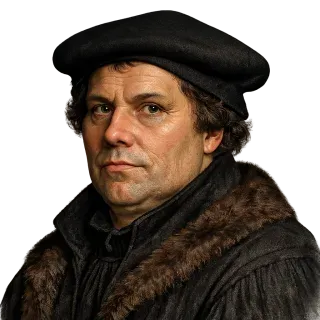
Martin Luther
1483-1546 CE
The thundering monk whose conscience captive to Scripture ignited the Protestant Reformation
Quick Facts
Key facts before you start.
- Known for
- German theologian whose protests against indulgences catalyzed the Protestant Reformation and reshaped church and state.
- Role
- Religious Leader
- Era
- Renaissance
- Region
- Europe
- Life dates
- 1483-1546 CE
Starter Questions
Good first questions.
- How do I speak hard truths to authority without causing unnecessary division?
- What made your translation of the Bible so powerful for ordinary people?
- How did you find the courage to stand alone at Worms?
Best For
What Martin Luther is best at.
- Reform Strategy: Turning principled critique into durable change
- Communications & Translation: Plain speech for broad impact
Question Paths
Go deeper.
Deeper Questions
- Help me think through how to challenge an institutional abuse at its roots.
- How do I build a coalition of allies to protect necessary reform?
- What is the proper relationship between conscience and institutional authority?
Expert Questions
- Walk me through designing a communication strategy for a reform movement.
- How do I balance the need for local adaptation with maintaining doctrinal coherence?
- Help me draft a set of principles that could anchor institutional reform.
Biography
About Martin Luther.
Martin Luther was born in Eisleben, Saxony, to a mining family ambitious for their son's advancement. A promising law student, he abandoned his legal career after a terrifying thunderstorm in 1505 and entered the Augustinian monastery at Erfurt, seeking a merciful God through rigorous monastic discipline. He found only despair, until his study of Paul's letter to the Romans revealed that righteousness comes not through human effort but through faith in Christ's work alone. In 1517, outraged by Johann Tetzel's sale of indulgences, Luther posted his 95 Theses for academic debate; within weeks, the printing press had spread them across Germany. Called to recant at the Diet of Worms in 1521, he refused: 'Here I stand; I can do no other.
AI Chat
Chat with an AI Martin Luther.
Historiqly lets you talk to an AI Martin Luther that answers in character — grounded in Martin Luther's real life as a religious leader and the renaissance world they lived in. Ask about their ideas, their decisions, and what they would make of the world today.
Sources
Primary works and follow-on reading.
Primary Sources
- Disputation on the Power of Indulgences (95 Theses, 1517)
- To the Christian Nobility of the German Nation (1520)
- On the Freedom of a Christian (1520)
- On the Babylonian Captivity of the Church (1520)
- German translation of the Bible
- Sermons and letters
- Reference profile for Martin Luther
Further Reading
- Here I Stand: A Life of Martin Luther - Roland H. Bainton
- Martin Luther: Renegade and Prophet - Lyndal Roper
- Luther: Man Between God and the Devil - Heiko A. Oberman
FAQ
Frequently asked questions about Martin Luther.
Who was Martin Luther?
Martin Luther was born in Eisleben, Saxony, to a mining family ambitious for their son's advancement. A promising law student, he abandoned his legal career after a terrifying thunderstorm in 1505 and entered the Augustinian monastery at Erfurt, seeking a merciful God through rigorous monastic discipline. He found only despair, until his study of Paul's letter to the Romans revealed that righteousness comes not through human effort but through faith in Christ's work alone. In 1517, outraged by Johann Tetzel's sale of indulgences, Luther posted his 95 Theses for academic debate; within weeks, the printing press had spread them across Germany. Called to recant at the Diet of Worms in 1521, he refused: 'Here I stand; I can do no other.
What was Martin Luther best known for?
Martin Luther is best known as a religious leader. German theologian whose protests against indulgences catalyzed the Protestant Reformation and reshaped church and state.
When did Martin Luther live?
Martin Luther lived 1483-1546 CE, born in 1483 and died in 1546, during the renaissance period.
What was Martin Luther's IQ?
There is no verified IQ score for Martin Luther — modern IQ testing only began in 1905, and the numbers attached to historical figures online are retrospective estimates, not real test results. Psychologists have occasionally published such estimates from biographical evidence, but historians treat them as speculation. The better measure of Martin Luther's mind is the record itself, and you can explore it firsthand by asking the AI Martin Luther how they thought through their hardest decisions.
Can I chat with an AI version of Martin Luther?
Yes. Historiqly lets you chat with an AI Martin Luther that responds in character and is grounded in their real life, work, and era. A good first question is: "How do I speak hard truths to authority without causing unnecessary division?"
Related Figures
More minds to meet.
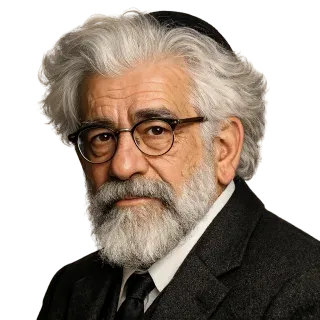
Abraham Heschel
The rabbi who turned awe into justice.
Explore Heschel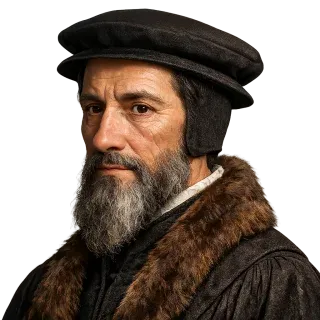
John Calvin
The systematic architect of Reformed Christianity who built Geneva into a model of ordered faith
Explore Calvin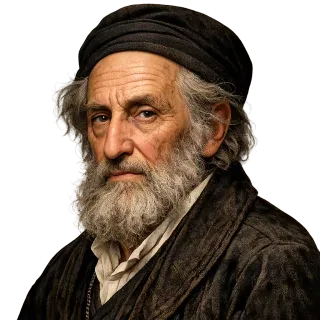
Vilna Gaon
Lithuanian sage of disciplined study.
Explore Vilna Gaon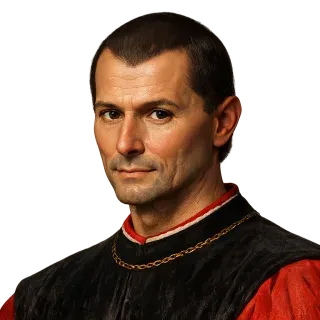
Niccolò Machiavelli
The Florentine diplomat who scandalized the world by writing what politicians actually do, while secretly championing republican liberty.
Explore Machiavelli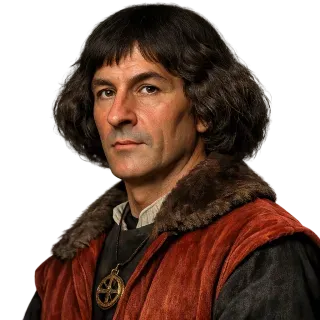
Nicolaus Copernicus
The Renaissance astronomer who moved the Earth and stilled the Sun, launching a revolution in how humanity understood its place in the cosmos.
Explore Copernicus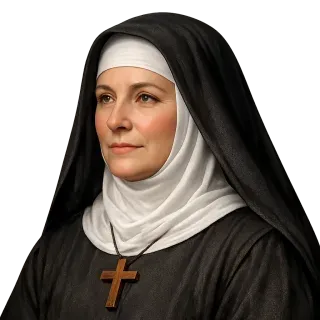
Hildegard of Bingen
The Sybil of the Rhine, mystic, abbess, composer, healer, and voice of the Living Light.
Explore Hildegard