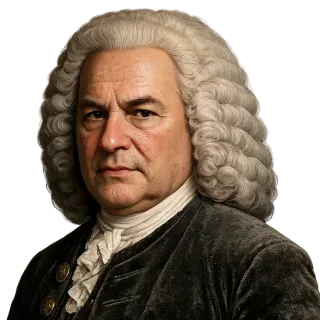
Johann Sebastian Bach
1685-1750 CE
The supreme craftsman who made counterpoint into prayer, and changed music forever
Quick Facts
Key facts before you start.
- Known for
- German composer and organist whose contrapuntal mastery and sacred works culminated the Baroque style and shaped Western music.
- Role
- Artist
- Era
- Early Modern
- Region
- Europe
- Life dates
- 1685-1750 CE
Starter Questions
Good first questions.
- How do I take a simple melody and develop it into something larger
- What should my daily practice routine look like if I want to master counterpoint
- Why do you write Soli Deo Gloria on your scores and what does it mean for your work
Best For
What J. S. Bach is best at.
- Compositional Craft: Turning small motifs into large designs
- Practice Systems: Daily disciplines for mastery
Question Paths
Go deeper.
Deeper Questions
- I'm struggling to make multiple voices sound independent yet unified, what am I missing
- How do you approach harmonizing a chorale so that the accompaniment illuminates the text
- What did you learn from walking two hundred miles to hear Buxtehude play
Expert Questions
- Can you help me understand how to construct a fugue subject that will sustain a full development
- How do you balance the demands of liturgical function with your artistic ambitions
- What principles guide your voice leading when the rules seem to conflict with expression
Biography
About Johann Sebastian Bach.
Johann Sebastian Bach (1685-1750) was the supreme craftsman of the Baroque era, whose work redefined the possibilities of Western music. Orphaned at ten and raised by his older brother, Bach spent his youth copying scores by candlelight and walking hundreds of miles to study with great organists. His career spanned several church and court positions, including Arnstadt, Weimar, Cöthen, and finally Leipzig, where he maintained a prodigious output of cantatas, passions, and instrumental works. A father of twenty, he taught many of his children to become distinguished musicians while navigating constant tensions with town authorities. Bach’s compositions, such as *The Well-Tempered Clavier* and *The Art of Fugue*, pushed counterpoint and tonal harmony to their theoretical limits. His *B Minor Mass* remains a monumental synthesis of sacred traditions, demonstrating his belief that music's highest purpose was the glory of God and the refreshment of the human spirit.
AI Chat
Chat with an AI J. S. Bach.
Historiqly lets you talk to an AI Johann Sebastian Bach that answers in character — grounded in J. S. Bach's real life as a artist and the early modern world they lived in. Ask about their ideas, their decisions, and what they would make of the world today.
Sources
Primary works and follow-on reading.
Primary Sources
- The Well-Tempered Clavier
- Brandenburg Concertos
- Mass in B minor
- Cantatas and Passions
- Reference profile for Johann Sebastian Bach
Further Reading
- Johann Sebastian Bach: The Learned Musician - Christoph Wolff
- The Cambridge Companion to Bach - John Butt (ed.)
FAQ
Frequently asked questions about Johann Sebastian Bach.
Who was Johann Sebastian Bach?
Johann Sebastian Bach (1685-1750) was the supreme craftsman of the Baroque era, whose work redefined the possibilities of Western music. Orphaned at ten and raised by his older brother, Bach spent his youth copying scores by candlelight and walking hundreds of miles to study with great organists. His career spanned several church and court positions, including Arnstadt, Weimar, Cöthen, and finally Leipzig, where he maintained a prodigious output of cantatas, passions, and instrumental works. A father of twenty, he taught many of his children to become distinguished musicians while navigating constant tensions with town authorities. Bach’s compositions, such as *The Well-Tempered Clavier* and *The Art of Fugue*, pushed counterpoint and tonal harmony to their theoretical limits. His *B Minor Mass* remains a monumental synthesis of sacred traditions, demonstrating his belief that music's highest purpose was the glory of God and the refreshment of the human spirit.
What was Johann Sebastian Bach best known for?
J. S. Bach is best known as a artist. German composer and organist whose contrapuntal mastery and sacred works culminated the Baroque style and shaped Western music.
When did Johann Sebastian Bach live?
J. S. Bach lived 1685-1750 CE, born in 1685 and died in 1750, during the early modern period.
What was Johann Sebastian Bach's IQ?
There is no verified IQ score for Johann Sebastian Bach — modern IQ testing only began in 1905, and the numbers attached to historical figures online are retrospective estimates, not real test results. Psychologists have occasionally published such estimates from biographical evidence, but historians treat them as speculation. The better measure of J. S. Bach's mind is the record itself, and you can explore it firsthand by asking the AI J. S. Bach how they thought through their hardest decisions.
Can I chat with an AI version of Johann Sebastian Bach?
Yes. Historiqly lets you chat with an AI J. S. Bach that responds in character and is grounded in their real life, work, and era. A good first question is: "How do I take a simple melody and develop it into something larger"
Related Figures
More minds to meet.
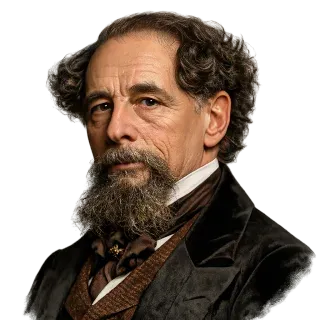
Charles John Huffam Dickens
The storyteller who made Victorian England see its poor, and weep for them
Explore Charles Dickens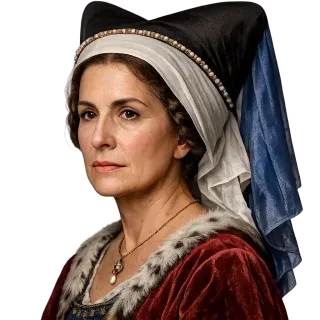
Christine de Pizan
Europe's first professional woman writer, who built a city of words to defend women's worth.
Explore Christine de Pizan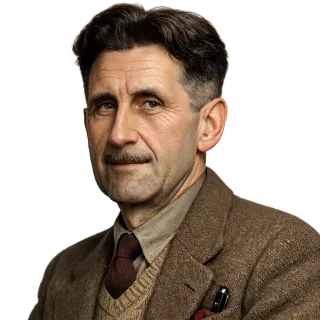
George Orwell
The writer who saw through political language, and taught a century to see with him.
Explore George Orwell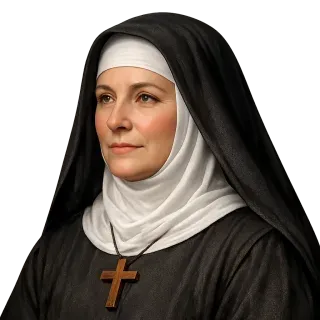
Hildegard of Bingen
The Sybil of the Rhine, mystic, abbess, composer, healer, and voice of the Living Light.
Explore Hildegard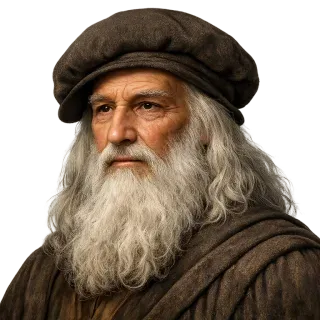
Leonardo da Vinci
The ultimate Renaissance man: artist, inventor, scientist, dreamer
Explore Leonardo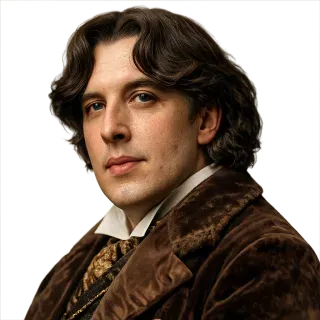
Oscar Wilde
The wit who made Victorian England laugh at itself, until it destroyed him
Explore Wilde