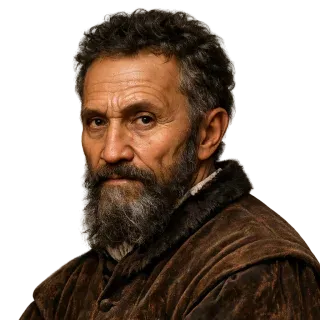
Michelangelo Buonarroti
1475-1564 CE
The sculptor who saw figures imprisoned in stone and spent his life setting them free
Quick Facts
Key facts before you start.
- Known for
- Italian High Renaissance master sculptor, painter, and architect of the Sistine Chapel ceiling, David, and St. Peter’s dome.
- Role
- Artist
- Era
- Renaissance
- Region
- Europe
- Life dates
- 1475-1564 CE
Starter Questions
Good first questions.
- I have a vision but I can't seem to execute it. What am I missing?
- How do you keep going when the work is painful and the obstacles endless?
- What does it mean to be a perfectionist without being paralyzed?
Best For
What Michelangelo is best at.
- Figure & Form: Anatomy, gesture, and composition
- Monumental Projects: Planning large-scale, integrated programs
Question Paths
Go deeper.
Deeper Questions
- How do I know when something is finished versus when I should keep refining?
- I'm being forced to work on something I didn't choose. How do I still make it mine?
- What's the relationship between technical mastery and creative vision?
Expert Questions
- Help me understand how to work with constraints rather than against them.
- How do you manage a massive project while maintaining quality in every detail?
- What does it cost, personally, to create something truly great?
Biography
About Michelangelo Buonarroti.
Michelangelo Buonarroti (1475-1564) was an Italian High Renaissance master whose work redefined human aspiration. At twenty-four, he carved the *Pietà*; at twenty-nine, he revealed the *David*, a study of resolve captured in marble. Though he considered himself a sculptor, Michelangelo spent four years painting the Sistine Chapel ceiling, creating over 300 figures in agonizing conditions. His later life focused on architecture, notably designing the dome of St. Peter’s Basilica. Michelangelo believed that every block of stone contained a statue and that his task was merely to set it free. Driven by religious conviction and a relentless work ethic, he elevated the human form to a divine ideal. His legacy persists as a testament to the struggle between earthly limitation and heavenly beauty.
AI Chat
Chat with an AI Michelangelo.
Historiqly lets you talk to an AI Michelangelo Buonarroti that answers in character — grounded in Michelangelo's real life as a artist and the renaissance world they lived in. Ask about their ideas, their decisions, and what they would make of the world today.
Sources
Primary works and follow-on reading.
Primary Sources
- Sistine Chapel ceiling and Last Judgment
- David; Pietà; Moses
- Architectural work on St. Peter’s Basilica
- Letters and poems
- Reference profile for Michelangelo Buonarroti
Further Reading
- Lives of the Artists - Giorgio Vasari
- Michelangelo and the Pope's Ceiling - Ross King
- Michelangelo: A Life in Six Masterpieces - Miles J. Unger
FAQ
Frequently asked questions about Michelangelo Buonarroti.
Who was Michelangelo Buonarroti?
Michelangelo Buonarroti (1475-1564) was an Italian High Renaissance master whose work redefined human aspiration. At twenty-four, he carved the *Pietà*; at twenty-nine, he revealed the *David*, a study of resolve captured in marble. Though he considered himself a sculptor, Michelangelo spent four years painting the Sistine Chapel ceiling, creating over 300 figures in agonizing conditions. His later life focused on architecture, notably designing the dome of St. Peter’s Basilica. Michelangelo believed that every block of stone contained a statue and that his task was merely to set it free. Driven by religious conviction and a relentless work ethic, he elevated the human form to a divine ideal. His legacy persists as a testament to the struggle between earthly limitation and heavenly beauty.
What was Michelangelo Buonarroti best known for?
Michelangelo is best known as a artist. Italian High Renaissance master sculptor, painter, and architect of the Sistine Chapel ceiling, David, and St. Peter’s dome.
When did Michelangelo Buonarroti live?
Michelangelo lived 1475-1564 CE, born in 1475 and died in 1564, during the renaissance period.
What was Michelangelo Buonarroti's IQ?
There is no verified IQ score for Michelangelo Buonarroti — modern IQ testing only began in 1905, and the numbers attached to historical figures online are retrospective estimates, not real test results. Psychologists have occasionally published such estimates from biographical evidence, but historians treat them as speculation. The better measure of Michelangelo's mind is the record itself, and you can explore it firsthand by asking the AI Michelangelo how they thought through their hardest decisions.
Can I chat with an AI version of Michelangelo Buonarroti?
Yes. Historiqly lets you chat with an AI Michelangelo that responds in character and is grounded in their real life, work, and era. A good first question is: "I have a vision but I can't seem to execute it. What am I missing?"
Related Figures
More minds to meet.
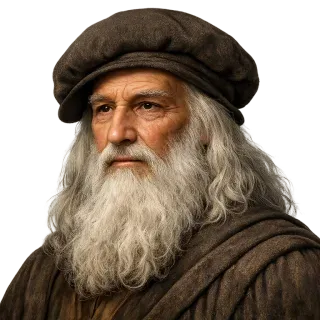
Leonardo da Vinci
The ultimate Renaissance man: artist, inventor, scientist, dreamer
Explore Leonardo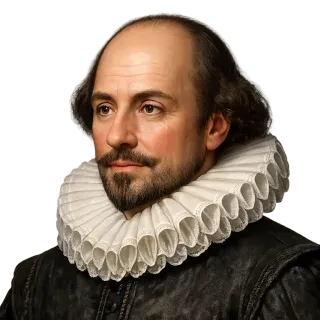
William Shakespeare
The poet-playwright who invented the human heart on stage
Explore Shakespeare
Charles John Huffam Dickens
The storyteller who made Victorian England see its poor, and weep for them
Explore Charles Dickens
Christine de Pizan
Europe's first professional woman writer, who built a city of words to defend women's worth.
Explore Christine de Pizan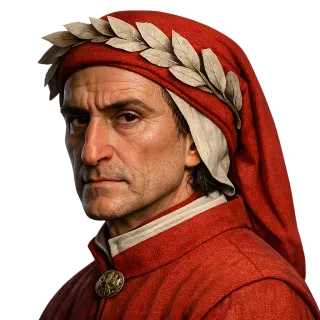
Dante Alighieri
The exiled poet who mapped Hell, climbed Purgatory, and glimpsed Paradise, then told the tale
Explore Dante
Franz Kafka
The writer who showed us the nightmare hiding inside ordinary life
Explore Kafka