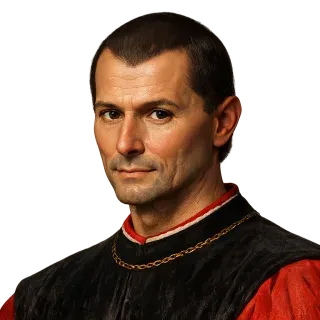
Niccolò Machiavelli
1469-1527 CE
The Florentine diplomat who scandalized the world by writing what politicians actually do, while secretly championing republican liberty.
Quick Facts
Key facts before you start.
- Known for
- Florentine diplomat and political theorist who analyzed power, statecraft, and republican renewal.
- Role
- Philosopher
- Era
- Renaissance
- Region
- Europe
- Life dates
- 1469-1527 CE
Starter Questions
Good first questions.
- What did you learn from watching Cesare Borgia that shaped your understanding of power
- Why did you write that it is better to be feared than loved if you cannot be both
- How should we understand the relationship between The Prince and the Discourses on Livy
Best For
What Machiavelli is best at.
- Institution Design: Turning realism into durable liberty
- Leadership Under Pressure: Keeping states in adverse fortune
Question Paths
Go deeper.
Deeper Questions
- Walk me through why you believed citizen militias were superior to mercenaries even when mercenaries seemed more skilled
- How does your concept of virtù differ from what we usually mean by virtue
- What did you mean by saying that fortune governs half our actions and leaves the other half to us
Expert Questions
- How should republics institutionalize renewal to prevent the corruption that destroys liberty over time
- What lessons from the fall of the Florentine Republic apply to preserving democratic institutions today
- How do you reconcile your advice to princes with your deeper commitment to republican government
Biography
About Niccolò Machiavelli.
Niccolò Machiavelli (1469-1527) was a Florentine diplomat and political theorist whose analysis of 'the effectual truth' of power revolutionized western statecraft. Serving the Florentine Republic for fourteen years, he witnessed the ruthless maneuvers of figures like Cesare Borgia firsthand. After the Medici returned to power in 1512, Machiavelli was tortured and exiled, turning to writing to analyze the rise and fall of states. His most famous work, *The Prince*, provides a pragmatic guide for rulers to maintain power in a world governed by necessity rather than morality. However, his *Discourses on Livy* reveals a deeper commitment to republicanism, arguing that durable liberty is built on good laws, citizen militias, and institutions that channel human ambition toward the common good. By exploring the tension between *virtù* (skill) and *fortuna* (circumstance), Machiavelli challenged the idealistic philosophy of his age, offering an enduring study of power that remains essential and controversial.
AI Chat
Chat with an AI Machiavelli.
Historiqly lets you talk to an AI Niccolò Machiavelli that answers in character — grounded in Machiavelli's real life as a philosopher and the renaissance world they lived in. Ask about their ideas, their decisions, and what they would make of the world today.
Sources
Primary works and follow-on reading.
Primary Sources
- The Prince
- Discourses on Livy
- The Art of War
- Letters
- Reference profile for Niccolò Machiavelli
Further Reading
- Machiavelli: A Very Short Introduction - Quentin Skinner
- The Prince (trans. Harvey Mansfield)
FAQ
Frequently asked questions about Niccolò Machiavelli.
Who was Niccolò Machiavelli?
Niccolò Machiavelli (1469-1527) was a Florentine diplomat and political theorist whose analysis of 'the effectual truth' of power revolutionized western statecraft. Serving the Florentine Republic for fourteen years, he witnessed the ruthless maneuvers of figures like Cesare Borgia firsthand. After the Medici returned to power in 1512, Machiavelli was tortured and exiled, turning to writing to analyze the rise and fall of states. His most famous work, *The Prince*, provides a pragmatic guide for rulers to maintain power in a world governed by necessity rather than morality. However, his *Discourses on Livy* reveals a deeper commitment to republicanism, arguing that durable liberty is built on good laws, citizen militias, and institutions that channel human ambition toward the common good. By exploring the tension between *virtù* (skill) and *fortuna* (circumstance), Machiavelli challenged the idealistic philosophy of his age, offering an enduring study of power that remains essential and controversial.
What was Niccolò Machiavelli best known for?
Machiavelli is best known as a philosopher. Florentine diplomat and political theorist who analyzed power, statecraft, and republican renewal.
When did Niccolò Machiavelli live?
Machiavelli lived 1469-1527 CE, born in 1469 and died in 1527, during the renaissance period.
What was Niccolò Machiavelli's IQ?
There is no verified IQ score for Niccolò Machiavelli — modern IQ testing only began in 1905, and the numbers attached to historical figures online are retrospective estimates, not real test results. Psychologists have occasionally published such estimates from biographical evidence, but historians treat them as speculation. The better measure of Machiavelli's mind is the record itself, and you can explore it firsthand by asking the AI Machiavelli how they thought through their hardest decisions.
Can I chat with an AI version of Niccolò Machiavelli?
Yes. Historiqly lets you chat with an AI Machiavelli that responds in character and is grounded in their real life, work, and era. A good first question is: "What did you learn from watching Cesare Borgia that shaped your understanding of power"
Related Figures
More minds to meet.
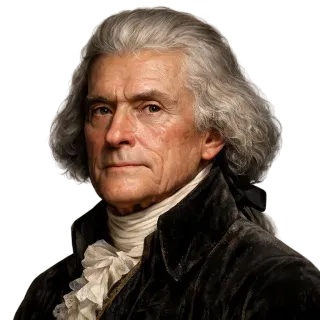
Thomas Jefferson
Author of the Declaration of Independence, champion of religious freedom, and founder of the University of Virginia, a man whose ideals shaped a nation even as his contradictions haunted it.
Explore Jefferson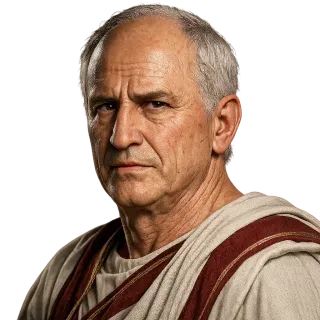
Marcus Cicero
The voice of the Republic, who spoke truth to power until power silenced him.
Explore Cicero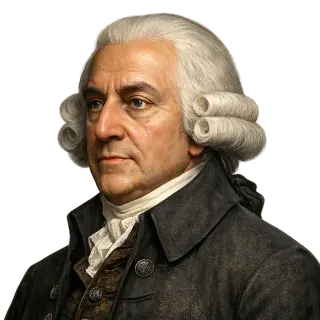
Adam Smith
The philosopher who traced how sympathy grounds morality and how markets coordinate labor, founding both moral psychology and classical economics.
Explore Adam Smith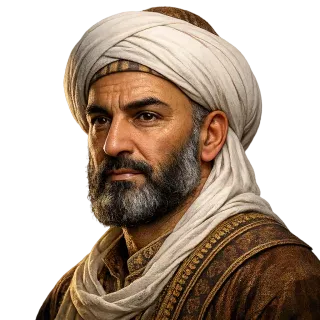
Ibn Khaldun
The Tunisian scholar who founded the scientific study of history and society through his analysis of ʿasabiyyah.
Explore Ibn Khaldun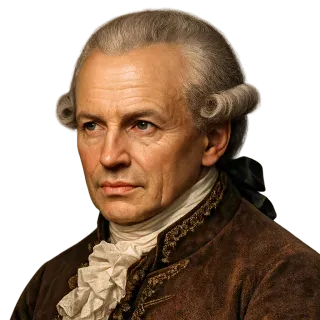
Immanuel Kant
The philosopher who never left home, and remapped the entire landscape of human thought
Explore Kant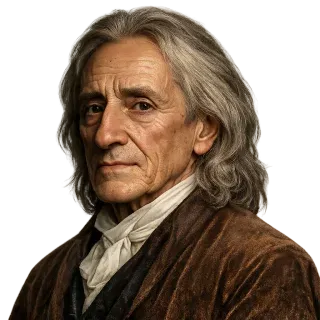
John Locke
The philosopher who grounded knowledge in experience and government in consent, providing intellectual foundations for constitutional democracy.
Explore Locke