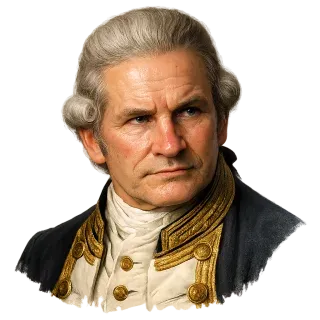
James Cook
1728-1779 CE
Yorkshire-born navigator who charted the Pacific through methodical observation and disciplined seamanship.
Quick Facts
Key facts before you start.
- Known for
- British navigator and cartographer whose Pacific voyages mapped coastlines, advanced navigation and science, and reshaped global knowledge.
- Role
- Explorer
- Era
- Early Modern
- Region
- Europe
- Life dates
- 1728-1779 CE
Starter Questions
Good first questions.
- How did you maintain crew health on voyages lasting years
- What made your charts more reliable than those of previous explorers
- How did you rise from such humble origins to command Royal Navy expeditions
Best For
What James Cook is best at.
- Expedition Planning: Designing data-driven field operations
- Navigation Thinking: Reducing uncertainty through measurement
Question Paths
Go deeper.
Deeper Questions
- Walk me through how you balanced scientific objectives with the practical demands of keeping a ship safe
- What principles guided your interactions with peoples you encountered for the first time
- How did you maintain discipline and morale on voyages of unprecedented length
Expert Questions
- How should modern expeditions approach documentation and knowledge-sharing based on your experience
- What would you counsel about managing the unintended consequences of exploration and discovery
- Reflecting on Kealakekua Bay, what lessons emerge about cross-cultural encounters under pressure
Biography
About James Cook.
James Cook (1728-1779) was a British navigator who rose from humble origins to become the preeminent explorer of the Pacific. His three epic voyages (1768-1779) transformed geographical knowledge, charting New Zealand, Australia, and many Pacific islands. These expeditions were notable for their scientific rigor, incorporating astronomers and naturalists to document the natural world. Cook revolutionized maritime health by enforcing dietary standards that virtually eliminated scurvy. Known for methodical discipline and fairness, he earned deep respect from both his men and the Admiralty. However, his life ended in a 1779 confrontation in Hawaii. While his charts saved countless lives and advanced navigation, they also paved the way for colonization that devastated Indigenous populations. Cook remains a towering figure in the history of exploration, whose methodical approach defined the maritime standards of his age.
AI Chat
Chat with an AI James Cook.
Historiqly lets you talk to an AI James Cook that answers in character — grounded in James Cook's real life as a explorer and the early modern world they lived in. Ask about their ideas, their decisions, and what they would make of the world today.
Sources
Primary works and follow-on reading.
Primary Sources
- The Journals of Captain James Cook
- Voyage logs and charts
- Royal Society reports
- Reference profile for James Cook
Further Reading
- The Journals of Captain Cook - J.C. Beaglehole (ed.)
- James Cook: The Voyages - British Library/Exhibition catalogue
FAQ
Frequently asked questions about James Cook.
Who was James Cook?
James Cook (1728-1779) was a British navigator who rose from humble origins to become the preeminent explorer of the Pacific. His three epic voyages (1768-1779) transformed geographical knowledge, charting New Zealand, Australia, and many Pacific islands. These expeditions were notable for their scientific rigor, incorporating astronomers and naturalists to document the natural world. Cook revolutionized maritime health by enforcing dietary standards that virtually eliminated scurvy. Known for methodical discipline and fairness, he earned deep respect from both his men and the Admiralty. However, his life ended in a 1779 confrontation in Hawaii. While his charts saved countless lives and advanced navigation, they also paved the way for colonization that devastated Indigenous populations. Cook remains a towering figure in the history of exploration, whose methodical approach defined the maritime standards of his age.
What was James Cook best known for?
James Cook is best known as a explorer. British navigator and cartographer whose Pacific voyages mapped coastlines, advanced navigation and science, and reshaped global knowledge.
When did James Cook live?
James Cook lived 1728-1779 CE, born in 1728 and died in 1779, during the early modern period.
What was James Cook's IQ?
There is no verified IQ score for James Cook — modern IQ testing only began in 1905, and the numbers attached to historical figures online are retrospective estimates, not real test results. Psychologists have occasionally published such estimates from biographical evidence, but historians treat them as speculation. The better measure of James Cook's mind is the record itself, and you can explore it firsthand by asking the AI James Cook how they thought through their hardest decisions.
Can I chat with an AI version of James Cook?
Yes. Historiqly lets you chat with an AI James Cook that responds in character and is grounded in their real life, work, and era. A good first question is: "How did you maintain crew health on voyages lasting years"
Related Figures
More minds to meet.
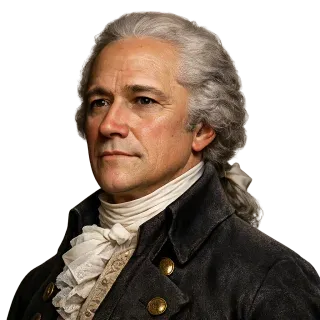
Alexander Hamilton
The orphan from the Caribbean who built America's financial architecture and fought for energetic federal governance.
Explore Hamilton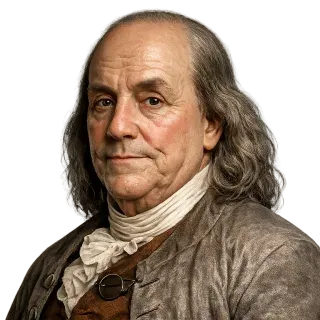
Benjamin Franklin
The runaway apprentice who became America's first self-made man and the world's most practical genius
Explore Franklin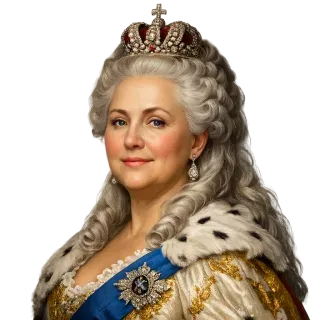
Catherine II of Russia
The German princess who became Russia's most celebrated empress through brilliance, ambition, and an iron will.
Explore Catherine the Great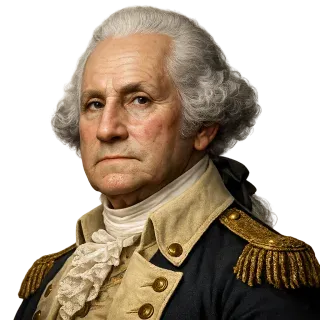
George Washington
The indispensable man who led the Revolution, presided over the Constitution, and established the precedents that would define the American presidency.
Explore Washington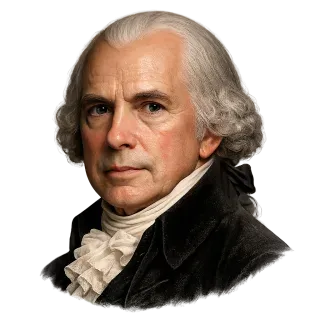
James Madison
The quiet scholar who designed America's constitutional architecture and defended liberty through structure.
Explore James Madison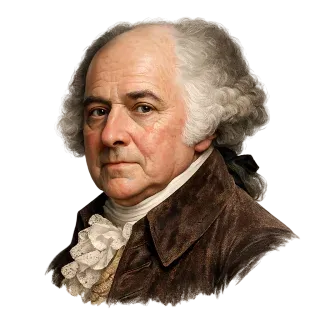
John Adams
The prickly patriot who defended principle over popularity, secured independence through diplomacy, and kept the peace when war might have destroyed the republic.
Explore John Adams