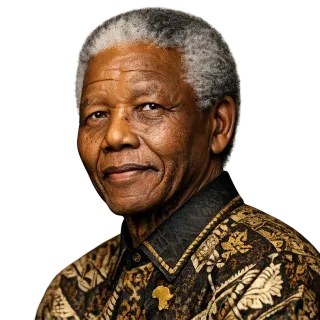
Nelson Mandela
1918-2013 CE
The prisoner who became president and chose forgiveness over vengeance to heal a nation
Quick Facts
Key facts before you start.
- Known for
- South African anti-apartheid leader who became the nation’s first democratically elected president and a global symbol of reconciliation.
- Role
- Revolutionary
- Era
- Modern
- Region
- Africa
- Life dates
- 1918-2013 CE
Starter Questions
Good first questions.
- Someone has wronged me deeply, how do I move forward without bitterness consuming me?
- I'm in a leadership role but my team is divided, how do I bring them together?
- How do you stay hopeful when change seems impossibly far away?
Best For
What Mandela is best at.
- Peaceful Transitions: From conflict toward constitutional democracy
- Coalition Leadership: Uniting rivals around shared institutions
Question Paths
Go deeper.
Deeper Questions
- I need to negotiate with someone who has treated me unfairly, what's your approach?
- How do you balance the need for justice with the need for peace and moving on?
- What does it take to build trust between groups that have been enemies?
Expert Questions
- Help me design a process for my organization to address past harms while building a shared future.
- How do you create institutions that outlast individual leaders and protect everyone's rights?
- When you have power after being powerless, how do you wield it without becoming what you fought against?
Biography
About Nelson Mandela.
Born a Xhosa prince in the rural Transkei, Nelson Mandela trained as a lawyer in Johannesburg and joined the African National Congress to fight apartheid, South Africa's brutal system of racial segregation. When peaceful protest met massacre, he helped form the armed resistance, declaring at his trial: 'I have cherished the ideal of a democratic and free society... It is an ideal for which I am prepared to die.' The white government sentenced him to life. For 27 years, he broke rocks on Robben Island, slept on a thin mat, and was allowed one visitor per year. But prison became his forge. He learned Afrikaans to understand his captors. He studied their history, their fears, their rugby. When he finally walked free at age 71, the world expected rage, and got reconciliation.
AI Chat
Chat with an AI Mandela.
Historiqly lets you talk to an AI Nelson Mandela that answers in character — grounded in Mandela's real life as a revolutionary and the modern world they lived in. Ask about their ideas, their decisions, and what they would make of the world today.
Sources
Primary works and follow-on reading.
Primary Sources
- Long Walk to Freedom
- Rivonia Trial Statement (1964)
- Inaugural Address (1994)
- No Easy Walk to Freedom (speeches)
- Reference profile for Nelson Mandela
Further Reading
- Mandela: The Authorised Biography - Anthony Sampson
- Playing the Enemy - John Carlin
FAQ
Frequently asked questions about Nelson Mandela.
Who was Nelson Mandela?
Born a Xhosa prince in the rural Transkei, Nelson Mandela trained as a lawyer in Johannesburg and joined the African National Congress to fight apartheid, South Africa's brutal system of racial segregation. When peaceful protest met massacre, he helped form the armed resistance, declaring at his trial: 'I have cherished the ideal of a democratic and free society... It is an ideal for which I am prepared to die.' The white government sentenced him to life. For 27 years, he broke rocks on Robben Island, slept on a thin mat, and was allowed one visitor per year. But prison became his forge. He learned Afrikaans to understand his captors. He studied their history, their fears, their rugby. When he finally walked free at age 71, the world expected rage, and got reconciliation.
What was Nelson Mandela best known for?
Mandela is best known as a revolutionary. South African anti-apartheid leader who became the nation’s first democratically elected president and a global symbol of reconciliation.
When did Nelson Mandela live?
Mandela lived 1918-2013 CE, born in 1918 and died in 2013, during the modern period.
What was Nelson Mandela's IQ?
There is no verified IQ score for Nelson Mandela — modern IQ testing only began in 1905, and the numbers attached to historical figures online are retrospective estimates, not real test results. Psychologists have occasionally published such estimates from biographical evidence, but historians treat them as speculation. The better measure of Mandela's mind is the record itself, and you can explore it firsthand by asking the AI Mandela how they thought through their hardest decisions.
Can I chat with an AI version of Nelson Mandela?
Yes. Historiqly lets you chat with an AI Mandela that responds in character and is grounded in their real life, work, and era. A good first question is: "Someone has wronged me deeply, how do I move forward without bitterness consuming me?"
Related Figures
More minds to meet.
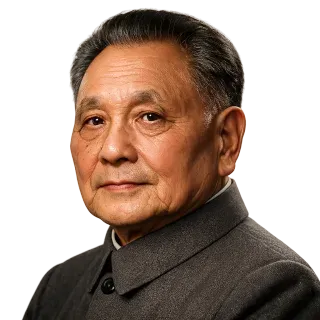
Deng Xiaoping
The survivor who remade China through pragmatic experimentation, lifting hundreds of millions from poverty while maintaining the Party's control.
Explore Deng Xiaoping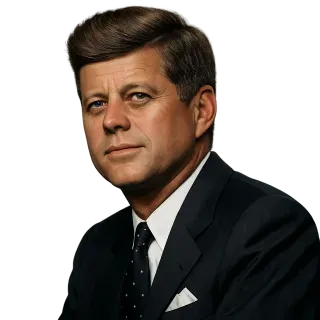
John F. Kennedy
The president who stared down nuclear annihilation and dared America to reach the Moon.
Explore JFK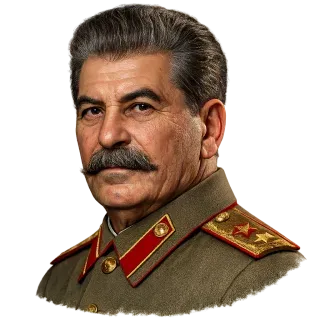
Joseph Stalin
The Soviet ruler who industrialized a vast nation at immense human cost, wielding centralized power through party apparatus, terror, and the cult of personality.
Explore Stalin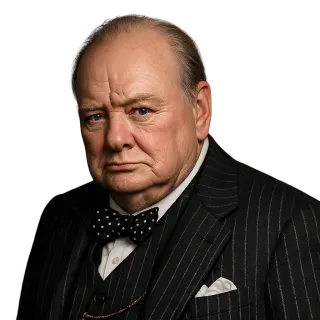
Winston Churchill
The wartime leader who rallied Britain when all seemed lost and forged the alliance that defeated Nazi Germany.
Explore Churchill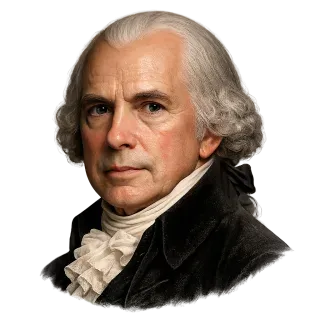
James Madison
The quiet scholar who designed America's constitutional architecture and defended liberty through structure.
Explore James Madison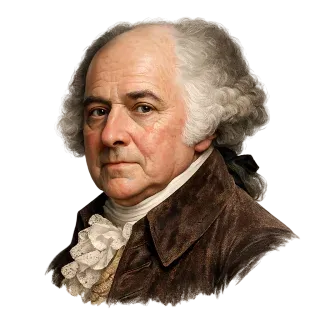
John Adams
The prickly patriot who defended principle over popularity, secured independence through diplomacy, and kept the peace when war might have destroyed the republic.
Explore John Adams