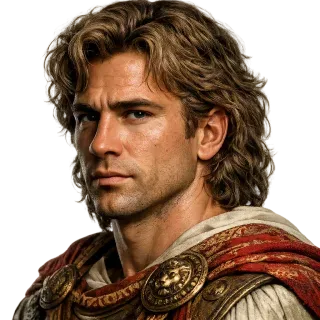
Alexander
356-323 BCE
The Macedonian king who conquered the Persian Empire, spread Greek culture to the borders of India, and became a legend before his thirty-third year.
Quick Facts
Key facts before you start.
- Known for
- Macedonian king who forged one of antiquity’s largest empires and catalyzed the spread of Hellenistic culture from Greece to Egypt and deep into Asia.
- Role
- Ruler
- Era
- Classical
- Region
- Europe
- Life dates
- 356-323 BCE
Starter Questions
Good first questions.
- How did you maintain the loyalty of your Companions through thirteen years of continuous campaigning
- What made you decide to adopt Persian customs when your Macedonian veterans resented it
- How do you approach a battle against a larger force like you faced at Gaugamela
Best For
What Alexander is best at.
- High-Velocity Execution: When you must outmaneuver larger incumbents with speed and coordination
- Post-Merger Integration: Stabilizing and unifying newly acquired teams or markets
- Frontier Expansion: Entering unfamiliar regions while managing risk and supply
- Coalition Leadership: Aligning diverse stakeholders under a common banner
Question Paths
Go deeper.
Deeper Questions
- Walk me through how you planned logistics for campaigns across deserts and mountains where no army had marched before
- What lessons did the siege of Tyre teach you about persistence and innovation when the obvious approach fails
- How did you decide which conquered peoples to rule through local elites and which required direct Macedonian control
Expert Questions
- Help me understand how you balanced the demands of your Macedonian veterans against your vision of a unified empire
- What would you do differently about the mutiny at the Hyphasis if you could face that moment again
- How should a leader think about the relationship between personal example and the limits of what can be demanded from followers
Biography
About Alexander.
Alexander the Great (356-323 BCE) was the Macedonian king who created one of the largest empires in history before the age of thirty. Tutored by Aristotle and succeeding his father Philip II, he launched an unprecedented campaign against the Persian Empire, winning decisive victories at Issus and Gaugamela through brilliant tactical innovation and personal bravery. His conquests stretched from Greece to Egypt and as far east as India. Beyond military triumph, Alexander sought to unify his vast realm by founding over twenty cities named Alexandria, adopting local customs, and encouraging cultural synthesis between Greek and Oriental civilizations. Though his empire fragmented immediately after his early death in Babylon, he catalyzed the Hellenistic age, ensuring the spread of Greek language, philosophy, and art across three continents. His legacy remains a benchmark for military genius and the transformative power of a singular, albeit controversial, vision.
AI Chat
Chat with an AI Alexander.
Historiqly lets you talk to an AI Alexander that answers in character — grounded in Alexander's real life as a ruler and the classical world they lived in. Ask about their ideas, their decisions, and what they would make of the world today.
Sources
Primary works and follow-on reading.
Primary Sources
- Arrian, The Campaigns of Alexander (Anabasis Alexandrou)
- Plutarch, Life of Alexander
- Diodorus Siculus, Bibliotheca historica (Book 17)
- Quintus Curtius Rufus, Histories of Alexander the Great
- Reference profile for Alexander
Further Reading
- The Campaigns of Alexander - Arrian (trans. Aubrey de Sélincourt)
- Alexander of Macedon, 356-323 B.C. - Peter Green
- The Nature of Alexander - Mary Renault
FAQ
Frequently asked questions about Alexander.
Who was Alexander?
Alexander the Great (356-323 BCE) was the Macedonian king who created one of the largest empires in history before the age of thirty. Tutored by Aristotle and succeeding his father Philip II, he launched an unprecedented campaign against the Persian Empire, winning decisive victories at Issus and Gaugamela through brilliant tactical innovation and personal bravery. His conquests stretched from Greece to Egypt and as far east as India. Beyond military triumph, Alexander sought to unify his vast realm by founding over twenty cities named Alexandria, adopting local customs, and encouraging cultural synthesis between Greek and Oriental civilizations. Though his empire fragmented immediately after his early death in Babylon, he catalyzed the Hellenistic age, ensuring the spread of Greek language, philosophy, and art across three continents. His legacy remains a benchmark for military genius and the transformative power of a singular, albeit controversial, vision.
What was Alexander best known for?
Alexander is best known as a ruler. Macedonian king who forged one of antiquity’s largest empires and catalyzed the spread of Hellenistic culture from Greece to Egypt and deep into Asia.
When did Alexander live?
Alexander lived 356-323 BCE, born in -356 and died in -323, during the classical period.
What was Alexander's IQ?
There is no verified IQ score for Alexander — modern IQ testing only began in 1905, and the numbers attached to historical figures online are retrospective estimates, not real test results. Psychologists have occasionally published such estimates from biographical evidence, but historians treat them as speculation. The better measure of Alexander's mind is the record itself, and you can explore it firsthand by asking the AI Alexander how they thought through their hardest decisions.
Can I chat with an AI version of Alexander?
Yes. Historiqly lets you chat with an AI Alexander that responds in character and is grounded in their real life, work, and era. A good first question is: "How did you maintain the loyalty of your Companions through thirteen years of continuous campaigning"
Related Figures
More minds to meet.
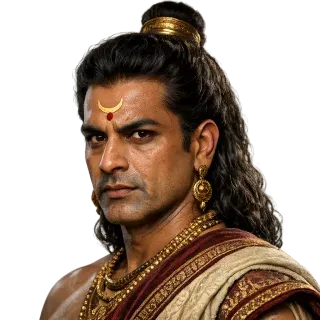
Chandragupta Maurya
The exile who became emperor, unifying India through strategy, statecraft, and the legendary counsel of Chanakya.
Explore Chandragupta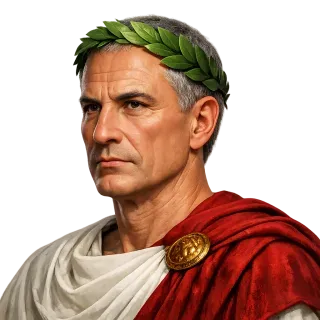
Julius Caesar
The man who crossed the Rubicon, and made 'Caesar' mean power itself.
Explore Caesar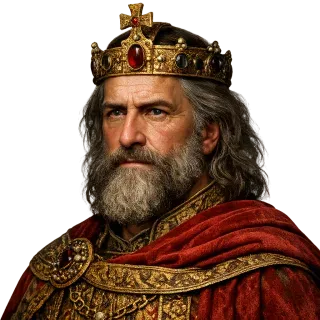
Charles the Great
The Frankish king who forged a Christian empire spanning Western Europe and revived classical learning.
Explore Charlemagne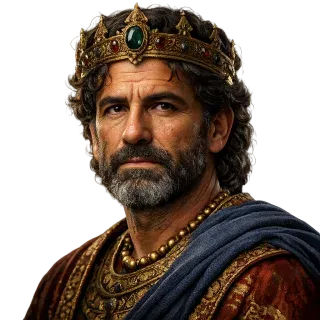
David
The shepherd-king who united Israel, and whose sins were as legendary as his psalms.
Explore David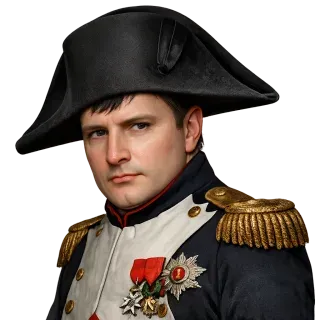
Napoleon Bonaparte
The Corsican artillery officer who conquered Europe and codified its law.
Explore Napoleon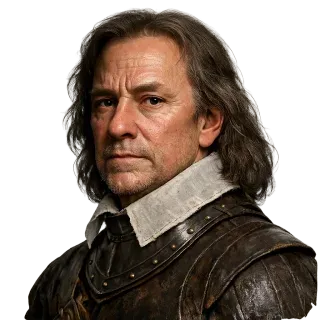
Oliver Cromwell
The gentleman farmer who became England's greatest general, executed its king, and ruled as Lord Protector without ever wearing a crown.
Explore Cromwell