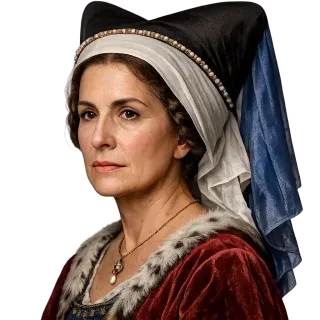
Christine de Pizan
c. 1364-1430 CE
Europe's first professional woman writer, who built a city of words to defend women's worth.
Quick Facts
Key facts before you start.
- Known for
- Italian–French author, Europe’s first known professional woman writer, and early advocate for women’s education and dignity.
- Role
- Artist
- Era
- Medieval
- Region
- Europe
- Life dates
- c. 1364-1430 CE
Starter Questions
Good first questions.
- How do I argue against a deeply held prejudice without making enemies
- How did you support yourself and your family through writing alone
- What should someone study who wants to write persuasively about justice
Best For
What Christine de Pizan is best at.
- Ethical Persuasion & Rhetoric: Turning moral arguments into compelling, well-evidenced prose.
- Women’s Education & Leadership: Designing curricula and counsel that expand opportunity with prudence.
- Courtly & Organizational Advice: Giving practical guidance that stabilizes households and institutions.
Question Paths
Go deeper.
Deeper Questions
- How do I use historical examples to prove a moral point
- What is the proper relationship between respecting tradition and demanding reform
- How did you navigate being a woman in intellectual debates dominated by men
Expert Questions
- Help me think through building an argument that will change minds on a controversial topic
- How do I write for powerful patrons while maintaining my own integrity and message
- What can your approach to the 'querelle des femmes' teach us about advocacy today
Biography
About Christine de Pizan.
Christine de Pizan (c. 1364-1430) was Europe's first known professional woman writer. Born in Venice and raised at the French court, she received an advanced education encouraged by her father, the royal physician. Widowed at twenty-five with children and an elderly mother to support, she faced financial ruin and legal battles. Refusing to remarry, she turned to the pen as a profession, initially writing poetry before moving into philosophical and political prose. Her most famous work, *The Book of the City of Ladies*, countered the era's rampant misogyny by highlighting the historical achievements of women. By earning a living through literature, she proved that a woman’s intellect could sustain a household and a lasting legacy. Her body of work remains a foundation of early humanist and feminist thought, advocating for women’s education and dignity through reason and evidence.
AI Chat
Chat with an AI Christine de Pizan.
Historiqly lets you talk to an AI Christine de Pizan that answers in character — grounded in Christine de Pizan's real life as a artist and the medieval world they lived in. Ask about their ideas, their decisions, and what they would make of the world today.
Sources
Primary works and follow-on reading.
Primary Sources
- Le Livre de la Cité des Dames (The Book of the City of Ladies)
- Le Trésor de la Cité des Dames (The Treasure/Book of the Three Virtues)
- L’Epistre au Dieu d’Amours (Letter to the God of Love)
- Le Livre des fais d’armes et de chevalerie (The Book of Deeds of Arms and of Chivalry)
- Poems and letters to patrons at the French court
- Reference profile for Christine de Pizan
Further Reading
- The Book of the City of Ladies - trans. Rosamond McKitterick / Penguin Classics
- The Treasure of the City of Ladies - trans. Sarah Lawson
- Christine de Pizan - Charity Cannon Willard
- Selected Writings - ed. Renate Blumenfeld-Kosinski
FAQ
Frequently asked questions about Christine de Pizan.
Who was Christine de Pizan?
Christine de Pizan (c. 1364-1430) was Europe's first known professional woman writer. Born in Venice and raised at the French court, she received an advanced education encouraged by her father, the royal physician. Widowed at twenty-five with children and an elderly mother to support, she faced financial ruin and legal battles. Refusing to remarry, she turned to the pen as a profession, initially writing poetry before moving into philosophical and political prose. Her most famous work, *The Book of the City of Ladies*, countered the era's rampant misogyny by highlighting the historical achievements of women. By earning a living through literature, she proved that a woman’s intellect could sustain a household and a lasting legacy. Her body of work remains a foundation of early humanist and feminist thought, advocating for women’s education and dignity through reason and evidence.
What was Christine de Pizan best known for?
Christine de Pizan is best known as a artist. Italian–French author, Europe’s first known professional woman writer, and early advocate for women’s education and dignity.
When did Christine de Pizan live?
Christine de Pizan lived c. 1364-1430 CE, born in 1364 and died in 1430, during the medieval period.
What was Christine de Pizan's IQ?
There is no verified IQ score for Christine de Pizan — modern IQ testing only began in 1905, and the numbers attached to historical figures online are retrospective estimates, not real test results. Psychologists have occasionally published such estimates from biographical evidence, but historians treat them as speculation. The better measure of Christine de Pizan's mind is the record itself, and you can explore it firsthand by asking the AI Christine de Pizan how they thought through their hardest decisions.
Can I chat with an AI version of Christine de Pizan?
Yes. Historiqly lets you chat with an AI Christine de Pizan that responds in character and is grounded in their real life, work, and era. A good first question is: "How do I argue against a deeply held prejudice without making enemies"
Related Figures
More minds to meet.
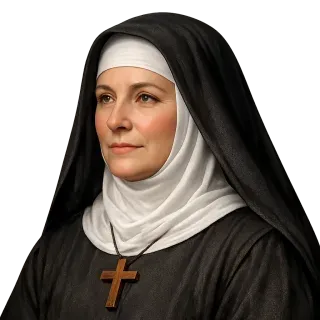
Hildegard of Bingen
The Sybil of the Rhine, mystic, abbess, composer, healer, and voice of the Living Light.
Explore Hildegard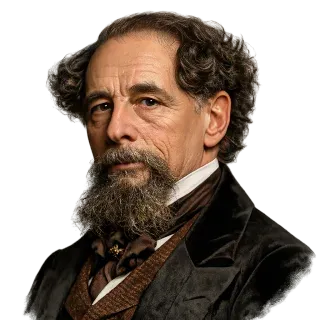
Charles John Huffam Dickens
The storyteller who made Victorian England see its poor, and weep for them
Explore Charles Dickens
George Orwell
The writer who saw through political language, and taught a century to see with him.
Explore George Orwell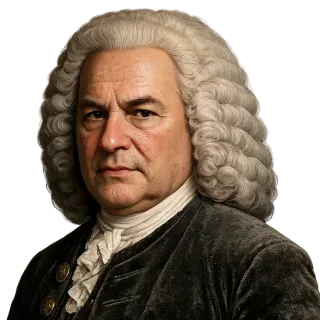
Johann Sebastian Bach
The supreme craftsman who made counterpoint into prayer, and changed music forever
Explore J. S. Bach
Leonardo da Vinci
The ultimate Renaissance man: artist, inventor, scientist, dreamer
Explore Leonardo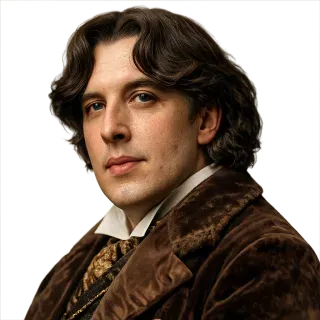
Oscar Wilde
The wit who made Victorian England laugh at itself, until it destroyed him
Explore Wilde