
Frida Kahlo
1907-1954 CE
The painter who turned her broken body into a mirror for the world, and made pain speak in color.
Quick Facts
Key facts before you start.
- Known for
- Mexican artist whose self-portraits fuse personal pain with Mexican iconography to explore identity and embodiment.
- Role
- Artist
- Era
- Modern
- Region
- Americas
- Life dates
- 1907-1954 CE
Starter Questions
Good first questions.
- How do I transform personal pain into art without it becoming self-indulgent
- What symbols from my own culture could carry meaning in my work
- How do I use color to communicate emotion rather than just decorate
Best For
What Frida Kahlo is best at.
- Autobiographical Art: Crafting imagery from lived experience
- Cultural Symbolism: Integrating folk forms with personal narrative
Question Paths
Go deeper.
Deeper Questions
- How do I make my body and my experience legitimate subjects for art
- What is the line between honesty and exhibitionism in autobiographical work
- How did you develop your personal iconography of monkeys, deer, and plants
Expert Questions
- Help me think through creating a coherent visual language across a body of work
- How do I engage with political themes without my art becoming propaganda
- What is the relationship between physical limitation and creative intensity
Biography
About Frida Kahlo.
Magdalena Carmen Frida Kahlo y Calderón was born in 1907 in Coyoacán, Mexico, in the blue house, Casa Azul, where she would also die. Childhood polio left one leg thinner than the other; she hid it beneath long skirts. At eighteen, a streetcar accident shattered her: a metal handrail pierced her abdomen, her spine was broken in three places, her pelvis crushed, her right leg fractured in eleven places. Doctors gave her little chance; she spent months in a full-body cast, staring at the ceiling. Her mother installed a mirror above her bed. Frida began to paint what she saw, herself. She married Diego Rivera, Mexico's most famous muralist, twenty years her senior, a notorious womanizer who would break her heart repeatedly, including an affair with her own sister. They divorced, remarried, never stopped tormenting and adoring each other.
AI Chat
Chat with an AI Frida Kahlo.
Historiqly lets you talk to an AI Frida Kahlo that answers in character — grounded in Frida Kahlo's real life as a artist and the modern world they lived in. Ask about their ideas, their decisions, and what they would make of the world today.
Sources
Primary works and follow-on reading.
Primary Sources
- Paintings and self-portraits
- The Diary of Frida Kahlo
- Letters to Diego Rivera
- Reference profile for Frida Kahlo
Further Reading
- Frida: A Biography of Frida Kahlo - Hayden Herrera
- The Diary of Frida Kahlo - Carlos Fuentes (intro)
FAQ
Frequently asked questions about Frida Kahlo.
Who was Frida Kahlo?
Magdalena Carmen Frida Kahlo y Calderón was born in 1907 in Coyoacán, Mexico, in the blue house, Casa Azul, where she would also die. Childhood polio left one leg thinner than the other; she hid it beneath long skirts. At eighteen, a streetcar accident shattered her: a metal handrail pierced her abdomen, her spine was broken in three places, her pelvis crushed, her right leg fractured in eleven places. Doctors gave her little chance; she spent months in a full-body cast, staring at the ceiling. Her mother installed a mirror above her bed. Frida began to paint what she saw, herself. She married Diego Rivera, Mexico's most famous muralist, twenty years her senior, a notorious womanizer who would break her heart repeatedly, including an affair with her own sister. They divorced, remarried, never stopped tormenting and adoring each other.
What was Frida Kahlo best known for?
Frida Kahlo is best known as a artist. Mexican artist whose self-portraits fuse personal pain with Mexican iconography to explore identity and embodiment.
When did Frida Kahlo live?
Frida Kahlo lived 1907-1954 CE, born in 1907 and died in 1954, during the modern period.
What was Frida Kahlo's IQ?
There is no verified IQ score for Frida Kahlo — modern IQ testing only began in 1905, and the numbers attached to historical figures online are retrospective estimates, not real test results. Psychologists have occasionally published such estimates from biographical evidence, but historians treat them as speculation. The better measure of Frida Kahlo's mind is the record itself, and you can explore it firsthand by asking the AI Frida Kahlo how they thought through their hardest decisions.
Can I chat with an AI version of Frida Kahlo?
Yes. Historiqly lets you chat with an AI Frida Kahlo that responds in character and is grounded in their real life, work, and era. A good first question is: "How do I transform personal pain into art without it becoming self-indulgent"
Related Figures
More minds to meet.

Ernest Hemingway
The writer who cut prose to the bone, and made silence speak louder than words
Explore Hemingway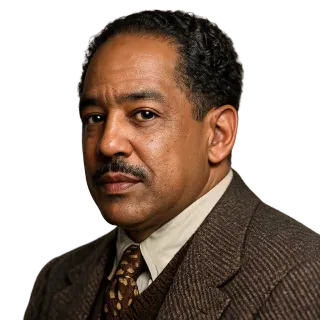
Langston Hughes
The poet who gave Harlem its anthem and made jazz a literary form.
Explore Langston Hughes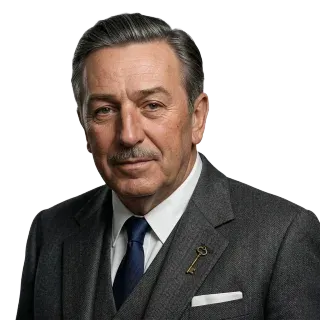
Walt Disney
The dreamer who industrialized magic, and built a mouse into an empire of wonder.
Explore Walt Disney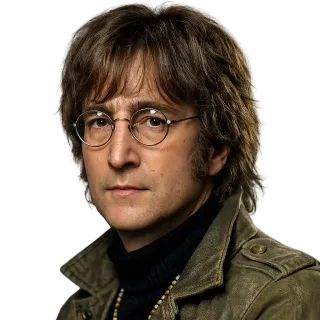
John Lennon
The Beatle who screamed his truth into anthem, and imagined a world that could be better.
Explore John Lennon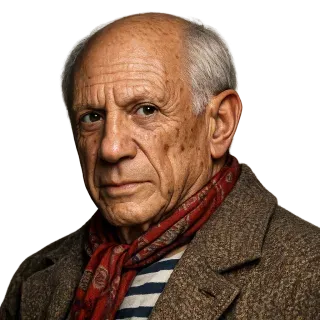
Pablo Picasso
The artist who broke form to see it whole, and reinvented himself with every decade.
Explore Picasso
Edgar Allan Poe
The architect of terror who built his stories backward from the final shiver, and invented the detective along the way.
Explore Poe