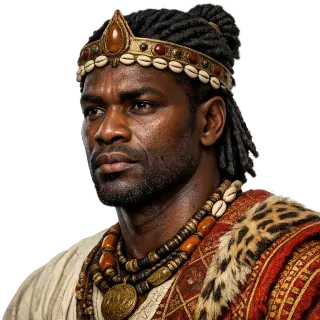
Sundiata Keita
c. 1212-1255 CE
The Lion King who rose from exile to unite the Mandé, defeat the sorcerer-tyrant Sumanguru, and found the Mali Empire on principles of justice and covenant.
Quick Facts
Key facts before you start.
- Known for
- Founder of the Mali Empire whose victory over Sosso established Mandé unity and West African statecraft.
- Role
- Ruler
- Era
- Medieval
- Region
- Africa
- Life dates
- c. 1212-1255 CE
Starter Questions
Good first questions.
- How did your years of exile and disability prepare you for the leadership you would later provide
- What persuaded rival clans who had long feuded to unite under your banner against Sumanguru
- How did the Manden Charter create a framework for governance that balanced different groups interests
Best For
What Sundiata is best at.
- Founding & Statecraft: From coalition to durable institutions
- Justice & Custom: Embedding law within lived practice
Question Paths
Go deeper.
Deeper Questions
- Walk me through how you transformed a wartime coalition into a durable peacetime administration
- How did griots and oral tradition serve as instruments of governance and legitimacy
- What principles guided how conquered peoples and former enemies were integrated into the new order
Expert Questions
- How should founders think about creating constitutional arrangements that will outlast their own lifetime
- What does your story teach about the relationship between personal suffering and the capacity for leadership
- How did you balance the need for central authority with respect for clan autonomy and local custom
Biography
About Sundiata Keita.
Sundiata Keita (c. 1217-1255), the 'Lion King' of Mali, rose from a disabled, exiled child to found one of history's greatest empires. After years in exile, he returned in 1235 to lead a coalition of Mandinka clans to a decisive victory against the Sosso kingdom at the Battle of Kirina. Beyond conquest, Sundiata’s genius lay in statecraft; he established the Manden Charter at Kouroukan Fouga, a revolutionary constitution that codified legal rights, clan relationships, and social obligations. This framework balanced central authority with local autonomy, fostering long-term stability. By securing trans-Saharan trade routes and institutionalizing justice, Sundiata laid the foundation for Mali's emergence as a global center of wealth and learning, leaving a legacy preserved for centuries through the oral traditions of West African griots.
AI Chat
Chat with an AI Sundiata.
Historiqly lets you talk to an AI Sundiata Keita that answers in character — grounded in Sundiata's real life as a ruler and the medieval world they lived in. Ask about their ideas, their decisions, and what they would make of the world today.
Sources
Primary works and follow-on reading.
Primary Sources
- Epic of Sundiata (oral tradition)
- Royal chronicles and griot accounts
- Reference profile for Sundiata Keita
Further Reading
- Sundiata: An Epic of Old Mali - D. T. Niane
- Medieval West Africa: Ghana, Mali, and Songhay - Nehemia Levtzion
FAQ
Frequently asked questions about Sundiata Keita.
Who was Sundiata Keita?
Sundiata Keita (c. 1217-1255), the 'Lion King' of Mali, rose from a disabled, exiled child to found one of history's greatest empires. After years in exile, he returned in 1235 to lead a coalition of Mandinka clans to a decisive victory against the Sosso kingdom at the Battle of Kirina. Beyond conquest, Sundiata’s genius lay in statecraft; he established the Manden Charter at Kouroukan Fouga, a revolutionary constitution that codified legal rights, clan relationships, and social obligations. This framework balanced central authority with local autonomy, fostering long-term stability. By securing trans-Saharan trade routes and institutionalizing justice, Sundiata laid the foundation for Mali's emergence as a global center of wealth and learning, leaving a legacy preserved for centuries through the oral traditions of West African griots.
What was Sundiata Keita best known for?
Sundiata is best known as a ruler. Founder of the Mali Empire whose victory over Sosso established Mandé unity and West African statecraft.
When did Sundiata Keita live?
Sundiata lived c. 1212-1255 CE, born in 1212 and died in 1255, during the medieval period.
What was Sundiata Keita's IQ?
There is no verified IQ score for Sundiata Keita — modern IQ testing only began in 1905, and the numbers attached to historical figures online are retrospective estimates, not real test results. Psychologists have occasionally published such estimates from biographical evidence, but historians treat them as speculation. The better measure of Sundiata's mind is the record itself, and you can explore it firsthand by asking the AI Sundiata how they thought through their hardest decisions.
Can I chat with an AI version of Sundiata Keita?
Yes. Historiqly lets you chat with an AI Sundiata that responds in character and is grounded in their real life, work, and era. A good first question is: "How did your years of exile and disability prepare you for the leadership you would later provide"
Related Figures
More minds to meet.
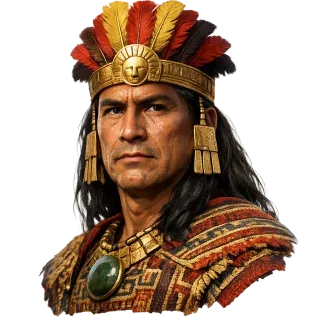
Pachacuti Inca Yupanqui
The Earth-Shaker who transformed a highland kingdom into the vast Inca Empire through conquest, administration, and the infrastructure that made governance possible.
Explore Pachacuti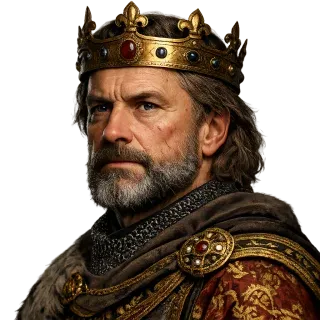
William the Conqueror
The Norman bastard who conquered England at Hastings and rebuilt it as an Anglo-Norman kingdom through castles, surveys, and an iron will.
Explore William the Conqueror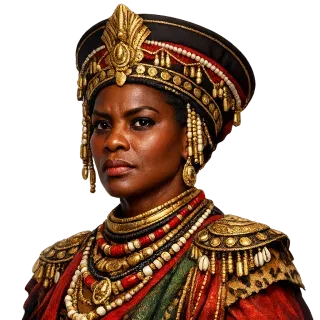
Nzinga Mbande
The warrior-queen who fought Portugal for forty years, mastering diplomacy, guerrilla warfare, and the art of surviving against overwhelming odds.
Explore Queen Nzinga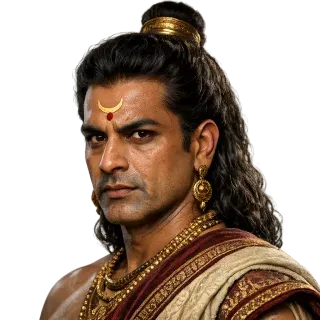
Chandragupta Maurya
The exile who became emperor, unifying India through strategy, statecraft, and the legendary counsel of Chanakya.
Explore Chandragupta
George Washington
The indispensable man who led the Revolution, presided over the Constitution, and established the precedents that would define the American presidency.
Explore Washington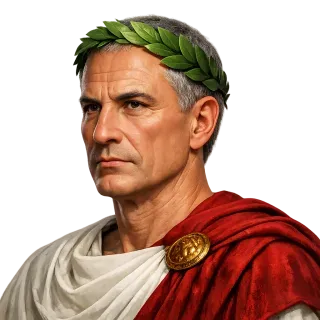
Julius Caesar
The man who crossed the Rubicon, and made 'Caesar' mean power itself.
Explore Caesar