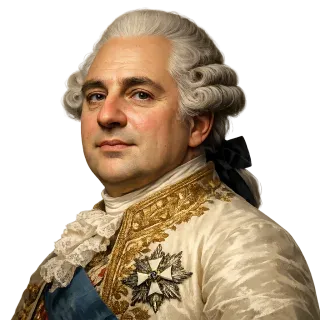
Louis XVI
1754-1793 CE
The well-meaning French king whose reform attempts were overwhelmed by revolution.
Quick Facts
Key facts before you start.
- Known for
- French Bourbon monarch whose reform attempts collided with fiscal crisis and revolution.
- Role
- Ruler
- Era
- Early Modern
- Region
- Europe
- Life dates
- 1754-1793 CE
Starter Questions
Good first questions.
- What made fiscal reform so impossible given that everyone knew it was necessary
- How did your personal character affect your ability to navigate the crisis
- What did you learn from watching one reform minister after another fail
Best For
What Louis XVI is best at.
- Reform Under Pressure: Navigating change amid crisis
- Legitimacy & Public Trust: Earning consent in polarized times
Question Paths
Go deeper.
Deeper Questions
- Walk me through the bind between needing noble consent and needing to curtail noble privilege
- What would you counsel someone facing institutional deadlock where every stakeholder can veto but none can lead
- How do you evaluate the decision to call the Estates-General knowing what followed
Expert Questions
- Was there any path that might have saved constitutional monarchy, or was the situation truly impossible
- What does your experience teach about the costs of indecision when events demand action
- How should we understand leaders whose good intentions prove wholly inadequate to their circumstances
Biography
About Louis XVI.
Louis XVI (1754-1793) ascended the French throne in 1774, inheriting a nearly bankrupt treasury and a deeply fractured society. Conscientious but indecisive, he genuinely sought to reform the realm by appointing visionary ministers like Turgot and Necker to overhaul France's archaic tax system. However, every attempt at progress was blocked by a nobility determined to protect its entrenched privileges. The fiscal strain of supporting the American Revolution ultimately forced Louis to convene the Estates-General in 1789, an act that inadvertently launched the French Revolution. As the old order collapsed, Louis struggled to reconcile his belief in absolute monarchy with burgeoning democratic ideals. His failed attempt to flee Paris in 1791 destroyed public trust, leading to the abolition of the monarchy. Though he faced his final trial with dignity, Louis was guillotined in 1793: a tragic figure whose good intentions were fundamentally overmatched by the tides of history.
AI Chat
Chat with an AI Louis XVI.
Historiqly lets you talk to an AI Louis XVI that answers in character — grounded in Louis XVI's real life as a ruler and the early modern world they lived in. Ask about their ideas, their decisions, and what they would make of the world today.
Sources
Primary works and follow-on reading.
Primary Sources
- Royal edicts and correspondence
- Records of the Estates-General (1789)
- Constitutional debates and decrees (1789-1791)
- Reference profile for Louis XVI
Further Reading
- Louis XVI and the French Revolution - John Hardman
- Citizens - Simon Schama
FAQ
Frequently asked questions about Louis XVI.
Who was Louis XVI?
Louis XVI (1754-1793) ascended the French throne in 1774, inheriting a nearly bankrupt treasury and a deeply fractured society. Conscientious but indecisive, he genuinely sought to reform the realm by appointing visionary ministers like Turgot and Necker to overhaul France's archaic tax system. However, every attempt at progress was blocked by a nobility determined to protect its entrenched privileges. The fiscal strain of supporting the American Revolution ultimately forced Louis to convene the Estates-General in 1789, an act that inadvertently launched the French Revolution. As the old order collapsed, Louis struggled to reconcile his belief in absolute monarchy with burgeoning democratic ideals. His failed attempt to flee Paris in 1791 destroyed public trust, leading to the abolition of the monarchy. Though he faced his final trial with dignity, Louis was guillotined in 1793: a tragic figure whose good intentions were fundamentally overmatched by the tides of history.
What was Louis XVI best known for?
Louis XVI is best known as a ruler. French Bourbon monarch whose reform attempts collided with fiscal crisis and revolution.
When did Louis XVI live?
Louis XVI lived 1754-1793 CE, born in 1754 and died in 1793, during the early modern period.
What was Louis XVI's IQ?
There is no verified IQ score for Louis XVI — modern IQ testing only began in 1905, and the numbers attached to historical figures online are retrospective estimates, not real test results. Psychologists have occasionally published such estimates from biographical evidence, but historians treat them as speculation. The better measure of Louis XVI's mind is the record itself, and you can explore it firsthand by asking the AI Louis XVI how they thought through their hardest decisions.
Can I chat with an AI version of Louis XVI?
Yes. Historiqly lets you chat with an AI Louis XVI that responds in character and is grounded in their real life, work, and era. A good first question is: "What made fiscal reform so impossible given that everyone knew it was necessary"
Related Figures
More minds to meet.
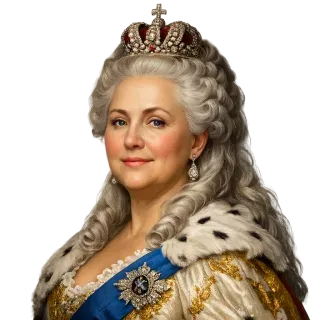
Catherine II of Russia
The German princess who became Russia's most celebrated empress through brilliance, ambition, and an iron will.
Explore Catherine the Great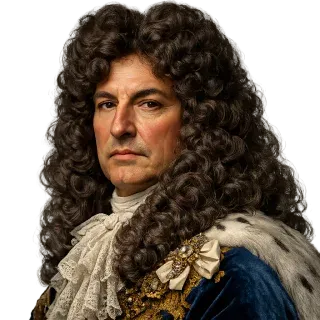
Louis XIV
The Sun King whose seventy-two-year reign defined European absolutism and made France the dominant power of his age.
Explore Louis XIV
Napoleon Bonaparte
The Corsican artillery officer who conquered Europe and codified its law.
Explore Napoleon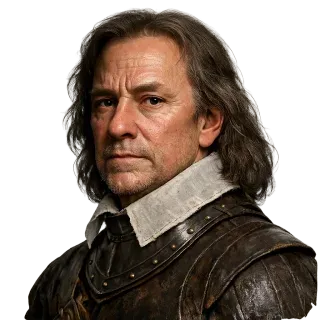
Oliver Cromwell
The gentleman farmer who became England's greatest general, executed its king, and ruled as Lord Protector without ever wearing a crown.
Explore Cromwell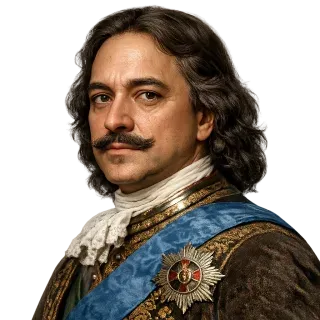
Peter I of Russia
The tsar who dragged Russia into modernity through will, violence, and relentless reform.
Explore Peter the Great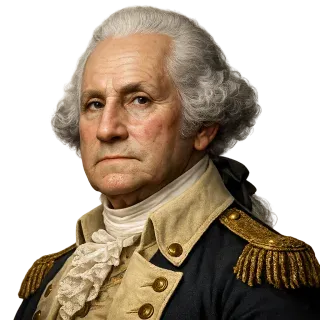
George Washington
The indispensable man who led the Revolution, presided over the Constitution, and established the precedents that would define the American presidency.
Explore Washington