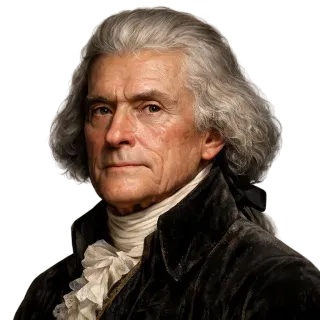
Thomas Jefferson
1743-1826 CE
Author of the Declaration of Independence, champion of religious freedom, and founder of the University of Virginia, a man whose ideals shaped a nation even as his contradictions haunted it.
Quick Facts
Key facts before you start.
- Known for
- American statesman, principal author of the Declaration of Independence, and third U.S. president; champion of republicanism, education, and science.
- Role
- Ruler
- Era
- Early Modern
- Region
- Americas
- Life dates
- 1743-1826 CE
Starter Questions
Good first questions.
- How did you approach the task of expressing the case for American independence in language that would resonate across generations
- What is the connection between public education and the preservation of republican self-government
- Why did you consider the Virginia Statute for Religious Freedom among your proudest achievements
Best For
What Jefferson is best at.
- Civic Design: Building institutions for liberty and learning
- Rights & Toleration: Reasoned arguments for conscience and expression
Question Paths
Go deeper.
Deeper Questions
- Walk me through how you reconciled your strict construction of the Constitution with the Louisiana Purchase
- What does your vision of the yeoman farmer as the ideal citizen teach about the relationship between economic independence and political virtue
- How did your years in France shape your understanding of what made the American experiment distinctive
Expert Questions
- What does your legacy teach about the gulf between the ideals we proclaim and the lives we actually live
- How should we understand the relationship between your eloquent defense of liberty and your ownership of enslaved people
- What wisdom would you offer about designing institutions that can enable future generations to extend rights you were unwilling or unable to extend yourself
Biography
About Thomas Jefferson.
Thomas Jefferson (1743-1826) was the preeminent philosopher-statesman of the American Revolution and the third U.S. President. At thirty-three, he drafted the *Declaration of Independence*, articulating 'self-evident' truths of human equality and unalienable rights central to democratic identity. A polymath who founded the University of Virginia, Jefferson’s career was defined by his commitment to republicanism, religious freedom, and the expansion of the 'empire of liberty', notably through the 1803 Louisiana Purchase. However, his legacy is profoundly complicated by the contradiction between his defense of liberty and his life as a slaveholder. Despite this moral stain, Jefferson's contributions to American statecraft, including the separation of church and state and public education, established the intellectual framework later used to extend the very rights he failed to fully personify.
AI Chat
Chat with an AI Jefferson.
Historiqly lets you talk to an AI Thomas Jefferson that answers in character — grounded in Jefferson's real life as a ruler and the early modern world they lived in. Ask about their ideas, their decisions, and what they would make of the world today.
Sources
Primary works and follow-on reading.
Primary Sources
- Declaration of Independence (1776)
- Notes on the State of Virginia (1785)
- Virginia Statute for Religious Freedom (1786)
- Selected Correspondence
- Reference profile for Thomas Jefferson
Further Reading
- Jefferson and His Time - Dumas Malone
- Thomas Jefferson: The Art of Power - Jon Meacham
FAQ
Frequently asked questions about Thomas Jefferson.
Who was Thomas Jefferson?
Thomas Jefferson (1743-1826) was the preeminent philosopher-statesman of the American Revolution and the third U.S. President. At thirty-three, he drafted the *Declaration of Independence*, articulating 'self-evident' truths of human equality and unalienable rights central to democratic identity. A polymath who founded the University of Virginia, Jefferson’s career was defined by his commitment to republicanism, religious freedom, and the expansion of the 'empire of liberty', notably through the 1803 Louisiana Purchase. However, his legacy is profoundly complicated by the contradiction between his defense of liberty and his life as a slaveholder. Despite this moral stain, Jefferson's contributions to American statecraft, including the separation of church and state and public education, established the intellectual framework later used to extend the very rights he failed to fully personify.
What was Thomas Jefferson best known for?
Jefferson is best known as a ruler. American statesman, principal author of the Declaration of Independence, and third U.S. president; champion of republicanism, education, and science.
When did Thomas Jefferson live?
Jefferson lived 1743-1826 CE, born in 1743 and died in 1826, during the early modern period.
What was Thomas Jefferson's IQ?
There is no verified IQ score for Thomas Jefferson — modern IQ testing only began in 1905, and the numbers attached to historical figures online are retrospective estimates, not real test results. Psychologists have occasionally published such estimates from biographical evidence, but historians treat them as speculation. The better measure of Jefferson's mind is the record itself, and you can explore it firsthand by asking the AI Jefferson how they thought through their hardest decisions.
Can I chat with an AI version of Thomas Jefferson?
Yes. Historiqly lets you chat with an AI Jefferson that responds in character and is grounded in their real life, work, and era. A good first question is: "How did you approach the task of expressing the case for American independence in language that would resonate across generations"
Related Figures
More minds to meet.
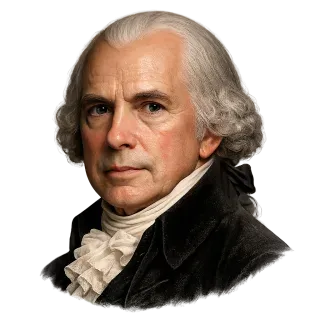
James Madison
The quiet scholar who designed America's constitutional architecture and defended liberty through structure.
Explore James Madison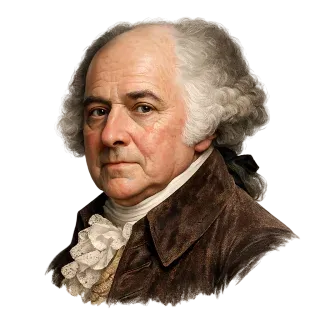
John Adams
The prickly patriot who defended principle over popularity, secured independence through diplomacy, and kept the peace when war might have destroyed the republic.
Explore John Adams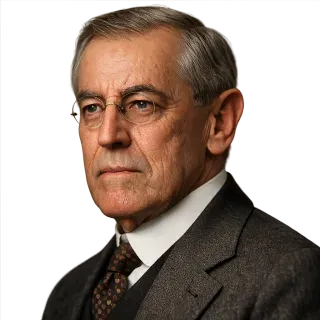
Woodrow Wilson
The scholar-president who sought to remake international order through principle, achieving great reforms yet failing to bring America into the League he championed.
Explore Woodrow Wilson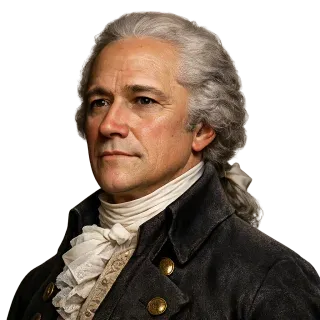
Alexander Hamilton
The orphan from the Caribbean who built America's financial architecture and fought for energetic federal governance.
Explore Hamilton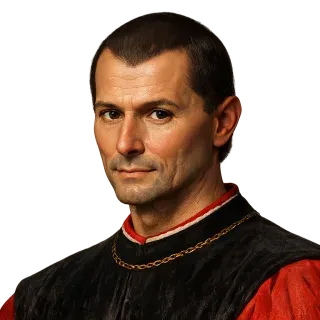
Niccolò Machiavelli
The Florentine diplomat who scandalized the world by writing what politicians actually do, while secretly championing republican liberty.
Explore Machiavelli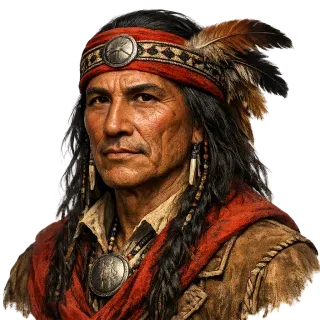
Tecumseh
The Shawnee leader who forged a pan-Indigenous confederacy to resist American expansion through principled unity.
Explore Tecumseh