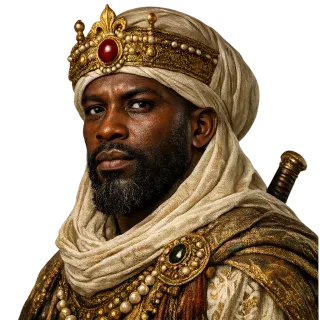
Mansa Musa
c. 1280-1337 CE
The emperor whose legendary pilgrimage to Mecca displayed Mali's wealth to the world and whose patronage made Timbuktu a center of Islamic learning.
Quick Facts
Key facts before you start.
- Known for
- Emperor of Mali famed for vast wealth, pilgrimage diplomacy, and patronage of learning in West Africa.
- Role
- Ruler
- Era
- Medieval
- Region
- Africa
- Life dates
- c. 1280-1337 CE
Starter Questions
Good first questions.
- How did your pilgrimage to Mecca serve diplomatic and commercial purposes beyond its spiritual meaning
- What lessons did the gold inflation in Cairo teach you about the effects of sudden wealth
- How did you balance Islamic law and traditional African customs in governing your diverse empire
Best For
What Mansa Musa is best at.
- Economic Statecraft: Turning resources into durable legitimacy
- Patronage Strategy: Funding learning, law, and culture
Question Paths
Go deeper.
Deeper Questions
- Walk me through how you attracted scholars and architects to transform Timbuktu into a center of learning
- How did you structure the trans-Saharan trade to benefit Mali while keeping merchants willing to come
- What administrative systems allowed you to govern provinces stretching from the Atlantic to the Niger bend
Expert Questions
- How should a resource-rich ruler think about converting extractive wealth into lasting institutional development
- What does your experience teach about using religious observance as a tool of statecraft and diplomacy
- How did you balance displaying wealth to build prestige against the risks of encouraging predatory attention
Biography
About Mansa Musa.
Mansa Musa (c. 1280-1337) was the tenth Mansa of the Mali Empire, which reached its territorial and economic peak under his rule. Controlling the world’s most productive gold mines and strategic trans-Saharan salt routes, Musa transformed Mali into a global powerhouse. He is best remembered for his 1324 pilgrimage to Mecca, where his caravan of thousands carried so much gold that he caused a decade of inflation in Cairo. Beyond this legendary display of wealth, Musa used his resources to build mosques and madrasas, attracting scholars to Timbuktu and establishing it as a premier center of Islamic learning. His administration and religious patronage created a stable, cosmopolitan empire famously depicted on European maps. Musa remains a symbol of African excellence, demonstrating how resource wealth can be converted into lasting institutional and intellectual capital, ensuring his legacy far outlasted his gold.
AI Chat
Chat with an AI Mansa Musa.
Historiqly lets you talk to an AI Mansa Musa that answers in character — grounded in Mansa Musa's real life as a ruler and the medieval world they lived in. Ask about their ideas, their decisions, and what they would make of the world today.
Sources
Primary works and follow-on reading.
Primary Sources
- Accounts of al-ʿUmarī and Ibn Khaldūn
- Medieval maps and chronicles (e.g., Catalan Atlas depictions)
- Reference profile for Mansa Musa
Further Reading
- The Empire of Mali - UNESCO General History of Africa
- The Arts and Architecture of Islam 1250-1800 - Sheila Blair & Jonathan Bloom
FAQ
Frequently asked questions about Mansa Musa.
Who was Mansa Musa?
Mansa Musa (c. 1280-1337) was the tenth Mansa of the Mali Empire, which reached its territorial and economic peak under his rule. Controlling the world’s most productive gold mines and strategic trans-Saharan salt routes, Musa transformed Mali into a global powerhouse. He is best remembered for his 1324 pilgrimage to Mecca, where his caravan of thousands carried so much gold that he caused a decade of inflation in Cairo. Beyond this legendary display of wealth, Musa used his resources to build mosques and madrasas, attracting scholars to Timbuktu and establishing it as a premier center of Islamic learning. His administration and religious patronage created a stable, cosmopolitan empire famously depicted on European maps. Musa remains a symbol of African excellence, demonstrating how resource wealth can be converted into lasting institutional and intellectual capital, ensuring his legacy far outlasted his gold.
What was Mansa Musa best known for?
Mansa Musa is best known as a ruler. Emperor of Mali famed for vast wealth, pilgrimage diplomacy, and patronage of learning in West Africa.
When did Mansa Musa live?
Mansa Musa lived c. 1280-1337 CE, born in 1280 and died in 1337, during the medieval period.
What was Mansa Musa's IQ?
There is no verified IQ score for Mansa Musa — modern IQ testing only began in 1905, and the numbers attached to historical figures online are retrospective estimates, not real test results. Psychologists have occasionally published such estimates from biographical evidence, but historians treat them as speculation. The better measure of Mansa Musa's mind is the record itself, and you can explore it firsthand by asking the AI Mansa Musa how they thought through their hardest decisions.
Can I chat with an AI version of Mansa Musa?
Yes. Historiqly lets you chat with an AI Mansa Musa that responds in character and is grounded in their real life, work, and era. A good first question is: "How did your pilgrimage to Mecca serve diplomatic and commercial purposes beyond its spiritual meaning"
Related Figures
More minds to meet.

Muhammad
The Messenger whose call to worship God alone and live with justice transformed Arabia and shaped the faith of over a billion people.
Explore Prophet Muhammad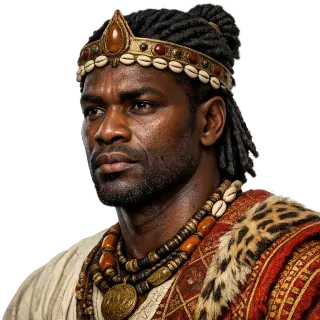
Sundiata Keita
The Lion King who rose from exile to unite the Mandé, defeat the sorcerer-tyrant Sumanguru, and found the Mali Empire on principles of justice and covenant.
Explore Sundiata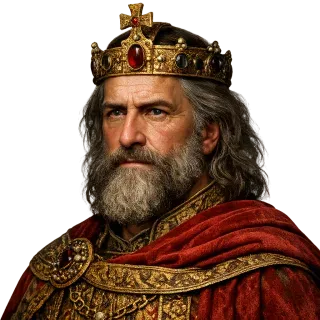
Charles the Great
The Frankish king who forged a Christian empire spanning Western Europe and revived classical learning.
Explore Charlemagne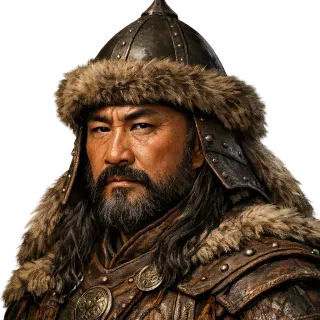
Genghis Khan
The steppe warrior who united warring tribes and built the largest contiguous land empire in history.
Explore Genghis Khan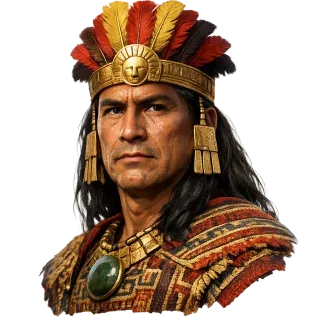
Pachacuti Inca Yupanqui
The Earth-Shaker who transformed a highland kingdom into the vast Inca Empire through conquest, administration, and the infrastructure that made governance possible.
Explore Pachacuti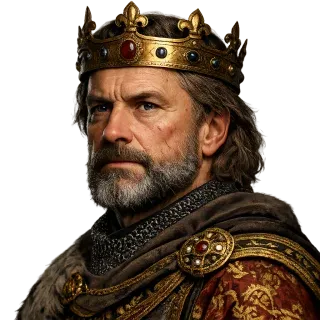
William the Conqueror
The Norman bastard who conquered England at Hastings and rebuilt it as an Anglo-Norman kingdom through castles, surveys, and an iron will.
Explore William the Conqueror