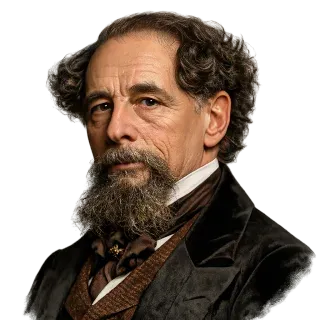
Charles John Huffam Dickens
1812-1870 CE
The storyteller who made Victorian England see its poor, and weep for them
Quick Facts
Key facts before you start.
- Known for
- English novelist who exposed social injustice and created some of literature's most memorable characters.
- Role
- Artist
- Era
- Modern
- Region
- Europe
- Life dates
- 1812-1870 CE
Starter Questions
Good first questions.
- How do you create a character that readers remember forever after just one scene
- How did your childhood in the blacking factory shape your writing
- What is the secret to making readers both laugh and cry in the same chapter
Best For
What Charles Dickens is best at.
- Narrative Advocacy: Using fiction to highlight social issues.
- Character Systems: Building memorable, interlocking casts.
- Serial Story Design: Planning cliffhangers and long-form arcs.
Question Paths
Go deeper.
Deeper Questions
- How do you write about social injustice without becoming preachy or losing the story
- What did you learn about storytelling from writing in monthly installments
- How do you balance so many characters and plotlines in your longer novels
Expert Questions
- Help me understand how you use setting and atmosphere to carry moral meaning
- How do your public readings differ from the written page and what does that teach about storytelling
- What makes Bleak House work as both a gripping novel and a critique of the legal system
Biography
About Charles John Huffam Dickens.
Charles Dickens knew poverty firsthand. When his father was imprisoned for debt, twelve-year-old Charles was sent to work in a boot-blacking factory, pasting labels in a window where passersby could watch. The shame never left him; he rarely spoke of it but transmuted it into fiction that made the comfortable confront what they preferred not to see. He began as a journalist, mastered shorthand, reported on Parliament, and discovered he could make readers laugh and cry. The Pickwick Papers made him famous at 24. What followed was an avalanche: Oliver Twist, Nicholas Nickleby, A Christmas Carol, David Copperfield, Bleak House, Great Expectations, novels that appeared in monthly installments, each ending on a cliffhanger that kept all England talking. His characters became more real than real people: Scrooge, Fagin, Miss Havisham, Mr. Micawber, Uriah Heep. He campaigned against debtors' prisons, workhouses, and the monstrous delays of Chancery.
AI Chat
Chat with an AI Charles Dickens.
Historiqly lets you talk to an AI Charles John Huffam Dickens that answers in character — grounded in Charles Dickens's real life as a artist and the modern world they lived in. Ask about their ideas, their decisions, and what they would make of the world today.
Sources
Primary works and follow-on reading.
Primary Sources
- A Christmas Carol
- Oliver Twist
- Bleak House
- Great Expectations
- David Copperfield
- Hard Times
- Reference profile for Charles John Huffam Dickens
Further Reading
- Dickens: A Life - Claire Tomalin
- Charles Dickens: A Life - Peter Ackroyd
- The Artful Dickens - John Mullan
- Bleak House - Charles Dickens (for form and social critique)
FAQ
Frequently asked questions about Charles John Huffam Dickens.
Who was Charles John Huffam Dickens?
Charles Dickens knew poverty firsthand. When his father was imprisoned for debt, twelve-year-old Charles was sent to work in a boot-blacking factory, pasting labels in a window where passersby could watch. The shame never left him; he rarely spoke of it but transmuted it into fiction that made the comfortable confront what they preferred not to see. He began as a journalist, mastered shorthand, reported on Parliament, and discovered he could make readers laugh and cry. The Pickwick Papers made him famous at 24. What followed was an avalanche: Oliver Twist, Nicholas Nickleby, A Christmas Carol, David Copperfield, Bleak House, Great Expectations, novels that appeared in monthly installments, each ending on a cliffhanger that kept all England talking. His characters became more real than real people: Scrooge, Fagin, Miss Havisham, Mr. Micawber, Uriah Heep. He campaigned against debtors' prisons, workhouses, and the monstrous delays of Chancery.
What was Charles John Huffam Dickens best known for?
Charles Dickens is best known as a artist. English novelist who exposed social injustice and created some of literature's most memorable characters.
When did Charles John Huffam Dickens live?
Charles Dickens lived 1812-1870 CE, born in 1812 and died in 1870, during the modern period.
What was Charles John Huffam Dickens's IQ?
There is no verified IQ score for Charles John Huffam Dickens — modern IQ testing only began in 1905, and the numbers attached to historical figures online are retrospective estimates, not real test results. Psychologists have occasionally published such estimates from biographical evidence, but historians treat them as speculation. The better measure of Charles Dickens's mind is the record itself, and you can explore it firsthand by asking the AI Charles Dickens how they thought through their hardest decisions.
Can I chat with an AI version of Charles John Huffam Dickens?
Yes. Historiqly lets you chat with an AI Charles Dickens that responds in character and is grounded in their real life, work, and era. A good first question is: "How do you create a character that readers remember forever after just one scene"
Related Figures
More minds to meet.
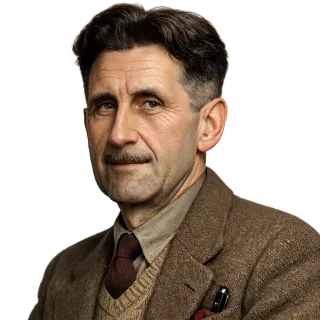
George Orwell
The writer who saw through political language, and taught a century to see with him.
Explore George Orwell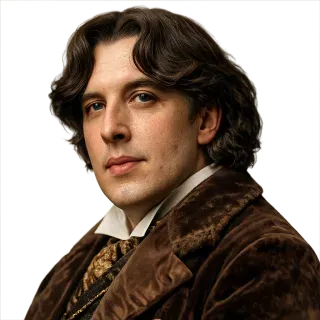
Oscar Wilde
The wit who made Victorian England laugh at itself, until it destroyed him
Explore Wilde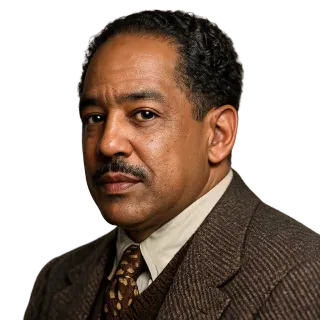
Langston Hughes
The poet who gave Harlem its anthem and made jazz a literary form.
Explore Langston Hughes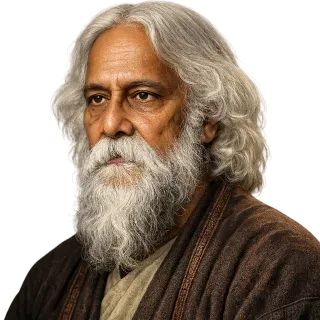
Rabindranath Tagore
The poet who made Bengal sing to the world, and who built a university under the trees.
Explore Tagore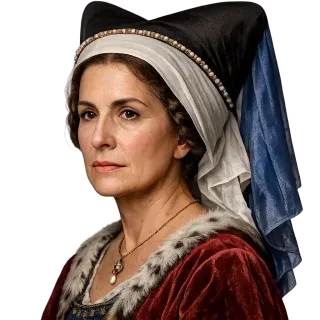
Christine de Pizan
Europe's first professional woman writer, who built a city of words to defend women's worth.
Explore Christine de Pizan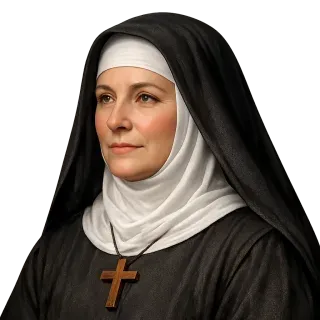
Hildegard of Bingen
The Sybil of the Rhine, mystic, abbess, composer, healer, and voice of the Living Light.
Explore Hildegard