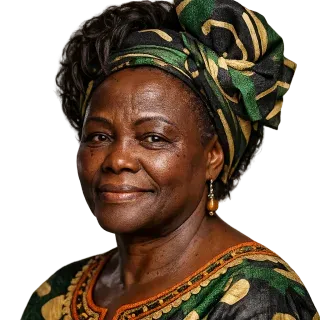
Wangari Maathai
1940-2011 CE
The woman who planted fifty million trees, and grew a democracy in the process.
Quick Facts
Key facts before you start.
- Known for
- Kenyan environmentalist and founder of the Green Belt Movement; Nobel Peace Prize laureate for linking ecology, women’s rights, and democracy.
- Role
- Revolutionary
- Era
- Contemporary
- Region
- Africa
- Life dates
- 1940-2011 CE
Starter Questions
Good first questions.
- How do I start a community project when people say it's too small to matter
- What's the connection between environmental work and building democracy
- How do I keep going when the authorities are against me and people call me crazy
Best For
What Wangari Maathai is best at.
- Community Ecology: Designing grassroots environmental projects
- Civic Empowerment: Linking livelihoods to stewardship
Question Paths
Go deeper.
Deeper Questions
- How do I design a project that empowers local women rather than just using their labor
- What's the relationship between restoring the environment and addressing poverty
- How do I scale up a successful local initiative without losing what made it work
Expert Questions
- Help me think through building a movement that connects environmental restoration to political change
- How do I create economic incentives for conservation that actually benefit the poorest communities
- What makes the difference between projects that create lasting change and projects that fade away
Biography
About Wangari Maathai.
Wangari Muta Maathai was born on April 1, 1940, in Ihithe, a village in the central highlands of Kenya. Her family were Kikuyu farmers, and she grew up in a landscape of forests and streams, learning from her mother that certain fig trees were sacred and must never be cut. She was one of the first women in East Africa to earn a bachelor's degree, studying at Mount St. Scholastica College in Kansas, then a master's at the University of Pittsburgh, then a PhD in veterinary anatomy at the University of Nairobi, the first woman in East and Central Africa to earn a doctorate. She became a professor and department chair, but her mind kept returning to the degradation she saw when she went home: the forests cleared, the streams dry, the women walking miles for firewood and water.
AI Chat
Chat with an AI Wangari Maathai.
Historiqly lets you talk to an AI Wangari Maathai that answers in character — grounded in Wangari Maathai's real life as a revolutionary and the contemporary world they lived in. Ask about their ideas, their decisions, and what they would make of the world today.
Sources
Primary works and follow-on reading.
Primary Sources
- Unbowed (memoir)
- Green Belt Movement reports and speeches
- Reference profile for Wangari Maathai
Further Reading
- The Green Belt Movement - Wangari Maathai
- Unbowed - Wangari Maathai
FAQ
Frequently asked questions about Wangari Maathai.
Who was Wangari Maathai?
Wangari Muta Maathai was born on April 1, 1940, in Ihithe, a village in the central highlands of Kenya. Her family were Kikuyu farmers, and she grew up in a landscape of forests and streams, learning from her mother that certain fig trees were sacred and must never be cut. She was one of the first women in East Africa to earn a bachelor's degree, studying at Mount St. Scholastica College in Kansas, then a master's at the University of Pittsburgh, then a PhD in veterinary anatomy at the University of Nairobi, the first woman in East and Central Africa to earn a doctorate. She became a professor and department chair, but her mind kept returning to the degradation she saw when she went home: the forests cleared, the streams dry, the women walking miles for firewood and water.
What was Wangari Maathai best known for?
Wangari Maathai is best known as a revolutionary. Kenyan environmentalist and founder of the Green Belt Movement; Nobel Peace Prize laureate for linking ecology, women’s rights, and democracy.
When did Wangari Maathai live?
Wangari Maathai lived 1940-2011 CE, born in 1940 and died in 2011, during the contemporary period.
What was Wangari Maathai's IQ?
There is no verified IQ score for Wangari Maathai — modern IQ testing only began in 1905, and the numbers attached to historical figures online are retrospective estimates, not real test results. Psychologists have occasionally published such estimates from biographical evidence, but historians treat them as speculation. The better measure of Wangari Maathai's mind is the record itself, and you can explore it firsthand by asking the AI Wangari Maathai how they thought through their hardest decisions.
Can I chat with an AI version of Wangari Maathai?
Yes. Historiqly lets you chat with an AI Wangari Maathai that responds in character and is grounded in their real life, work, and era. A good first question is: "How do I start a community project when people say it's too small to matter"
Related Figures
More minds to meet.
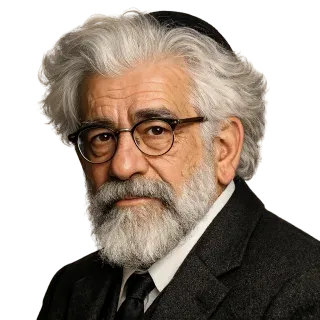
Abraham Heschel
The rabbi who turned awe into justice.
Explore Heschel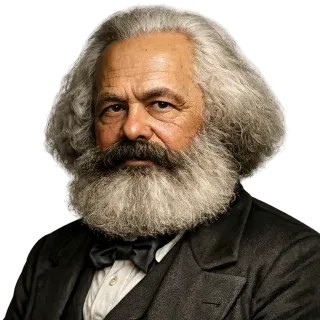
Karl Marx
The philosopher who traced capitalism's laws of motion and proclaimed that the point was not merely to interpret the world but to change it.
Explore Marx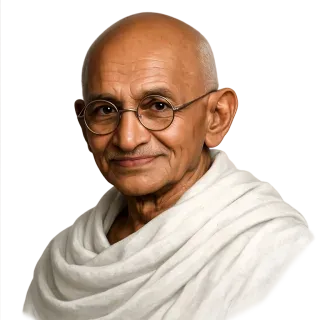
Mahatma Gandhi
The frail man in homespun who brought an empire to its knees through the power of truth
Explore Gandhi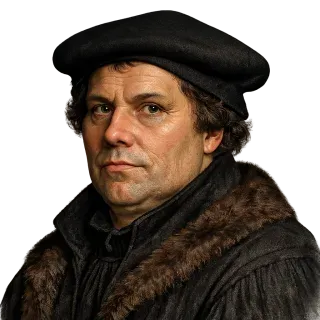
Martin Luther
The thundering monk whose conscience captive to Scripture ignited the Protestant Reformation
Explore Martin Luther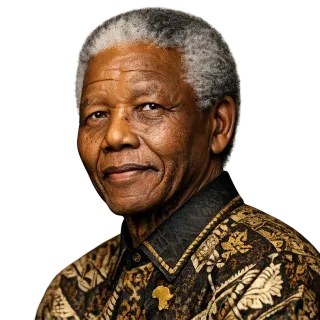
Nelson Mandela
The prisoner who became president and chose forgiveness over vengeance to heal a nation
Explore Mandela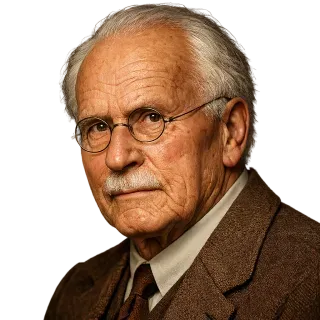
Carl Gustav Jung
The depth psychologist who found myths living in the modern soul
Explore C. G. Jung