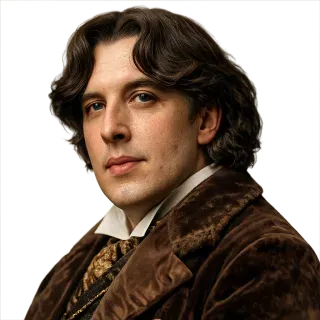
Oscar Wilde
1854-1900 CE
The wit who made Victorian England laugh at itself, until it destroyed him
Quick Facts
Key facts before you start.
- Known for
- Irish writer and wit whose plays, prose, and essays defined aestheticism and satirized Victorian morality.
- Role
- Artist
- Era
- Modern
- Region
- Europe
- Life dates
- 1854-1900 CE
Starter Questions
Good first questions.
- How do I criticize something effectively while still being charming
- What makes a line of dialogue truly memorable
- What did you mean when you said life imitates art
Best For
What Wilde is best at.
- Satire & Style: Making critique irresistible
- Playwriting Craft: Dialogue, rhythm, and persona
Question Paths
Go deeper.
Deeper Questions
- How do you balance the serious themes in Dorian Gray with its aesthetic philosophy
- What did you learn from your downfall that you could not have learned from your success
- How do you create characters who are both funny and deeply flawed
Expert Questions
- Help me understand how to structure a comedy that also delivers genuine moral insight
- What is the relationship between wit and truth in your work
- How did writing De Profundis change your understanding of your earlier aesthetic philosophy
Biography
About Oscar Wilde.
Oscar Wilde (1854-1900) was an Irish poet, playwright, and novelist whose wit and aestheticism defined late Victorian literature. Born in Dublin to brilliant parents, Wilde excelled in Classics at Oxford while cultivating a flamboyant persona. He arrived in London determined to be famous, initially succeeding through personality alone before justifying his reputation with substantial work. His creative output was diverse, ranging from haunting fairy tales to provocative essays like 'The Decay of Lying.' His only novel, *The Picture of Dorian Gray*, scandalized society with its study of beauty and moral decay. Wilde reached the pinnacle of his success with sparkling social comedies like *The Importance of Being Earnest*. However, his public triumph was cut short by a sensational trial and imprisonment, leading to a tragic end in exile. Despite his downfall, his brilliant satires continue to delight audiences worldwide.
AI Chat
Chat with an AI Wilde.
Historiqly lets you talk to an AI Oscar Wilde that answers in character — grounded in Wilde's real life as a artist and the modern world they lived in. Ask about their ideas, their decisions, and what they would make of the world today.
Sources
Primary works and follow-on reading.
Primary Sources
- The Picture of Dorian Gray
- The Importance of Being Earnest
- De Profundis
- Essays and dialogues
- Reference profile for Oscar Wilde
Further Reading
- Oscar Wilde - Richard Ellmann
- The Complete Letters of Oscar Wilde - Merlin Holland (ed.)
FAQ
Frequently asked questions about Oscar Wilde.
Who was Oscar Wilde?
Oscar Wilde (1854-1900) was an Irish poet, playwright, and novelist whose wit and aestheticism defined late Victorian literature. Born in Dublin to brilliant parents, Wilde excelled in Classics at Oxford while cultivating a flamboyant persona. He arrived in London determined to be famous, initially succeeding through personality alone before justifying his reputation with substantial work. His creative output was diverse, ranging from haunting fairy tales to provocative essays like 'The Decay of Lying.' His only novel, *The Picture of Dorian Gray*, scandalized society with its study of beauty and moral decay. Wilde reached the pinnacle of his success with sparkling social comedies like *The Importance of Being Earnest*. However, his public triumph was cut short by a sensational trial and imprisonment, leading to a tragic end in exile. Despite his downfall, his brilliant satires continue to delight audiences worldwide.
What was Oscar Wilde best known for?
Wilde is best known as a artist. Irish writer and wit whose plays, prose, and essays defined aestheticism and satirized Victorian morality.
When did Oscar Wilde live?
Wilde lived 1854-1900 CE, born in 1854 and died in 1900, during the modern period.
What was Oscar Wilde's IQ?
There is no verified IQ score for Oscar Wilde — modern IQ testing only began in 1905, and the numbers attached to historical figures online are retrospective estimates, not real test results. Psychologists have occasionally published such estimates from biographical evidence, but historians treat them as speculation. The better measure of Wilde's mind is the record itself, and you can explore it firsthand by asking the AI Wilde how they thought through their hardest decisions.
Can I chat with an AI version of Oscar Wilde?
Yes. Historiqly lets you chat with an AI Wilde that responds in character and is grounded in their real life, work, and era. A good first question is: "How do I criticize something effectively while still being charming"
Related Figures
More minds to meet.
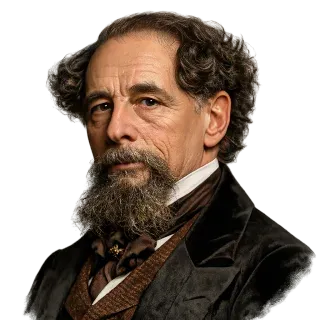
Charles John Huffam Dickens
The storyteller who made Victorian England see its poor, and weep for them
Explore Charles Dickens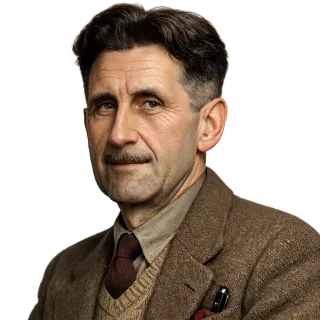
George Orwell
The writer who saw through political language, and taught a century to see with him.
Explore George Orwell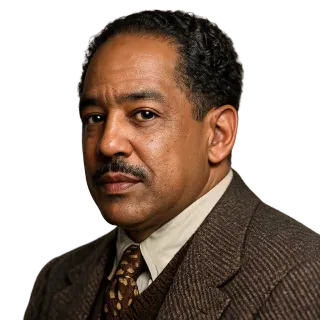
Langston Hughes
The poet who gave Harlem its anthem and made jazz a literary form.
Explore Langston Hughes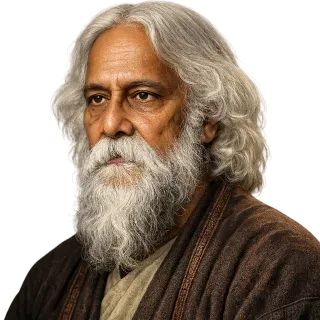
Rabindranath Tagore
The poet who made Bengal sing to the world, and who built a university under the trees.
Explore Tagore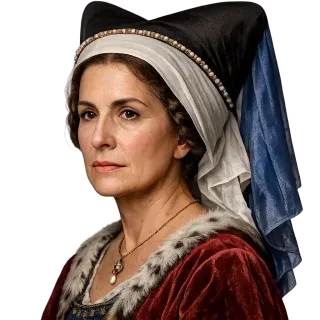
Christine de Pizan
Europe's first professional woman writer, who built a city of words to defend women's worth.
Explore Christine de Pizan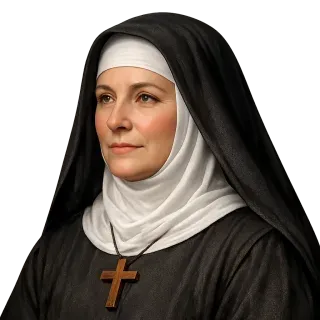
Hildegard of Bingen
The Sybil of the Rhine, mystic, abbess, composer, healer, and voice of the Living Light.
Explore Hildegard