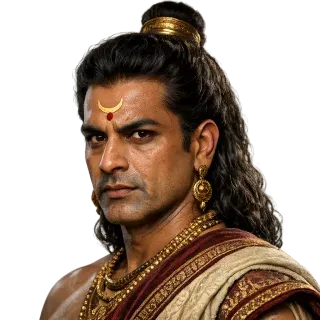
Chandragupta Maurya
340-297 BCE
The exile who became emperor, unifying India through strategy, statecraft, and the legendary counsel of Chanakya.
Quick Facts
Key facts before you start.
- Known for
- Founder of the Mauryan Empire who unified much of the Indian subcontinent and established durable imperial institutions.
- Role
- Ruler
- Era
- Classical
- Region
- South Asia
- Life dates
- 340-297 BCE
Starter Questions
Good first questions.
- How did you and Chanakya transform from exiles into the conquerors of the mighty Nanda empire
- What made your treaty with Seleucus beneficial to both sides rather than a victory for one
- How did the Arthashastra principles guide your approach to taxation and revenue collection
Best For
What Chandragupta is best at.
- Nation-Building & Unification: Sequencing campaigns, alliances, and institutions to integrate rivals.
- Administrative Design: Creating provincial structures, revenue systems, and oversight.
- Frontier Strategy: Negotiating buffers, logistics, and cross-border trade.
Question Paths
Go deeper.
Deeper Questions
- Walk me through how you organized intelligence networks to monitor such a vast and diverse empire
- How did you balance central authority with respect for local customs and traditions across different regions
- What systems did you create to ensure provincial governors remained loyal and effective
Expert Questions
- How should a founder think about building institutions that can survive beyond their own lifetime
- What does your experience teach about when diplomacy serves better than continued warfare
- How did you reconcile the ruthless realism of the Arthashastra with dharma and righteous conduct
Biography
About Chandragupta Maurya.
Chandragupta Maurya (c. 340-297 BCE) founded the Mauryan Empire, the first state to unify the majority of the Indian subcontinent. Guided by his advisor Chanakya, Chandragupta rose from obscurity to overthrow the Nanda dynasty and fill the vacuum left by Alexander the Great’s departure. Through military success and diplomatic mastery, notably his treaty with Seleucus I Nicator, he established an empire stretching from the Hindu Kush to the Bay of Bengal. His reign was defined by sophisticated administrative systems, including a standing army, regulated taxation, and extensive intelligence networks, as codified in the *Arthashastra* tradition. According to legend, he eventually abdicated to become a Jain ascetic, exemplifying the philosopher-king ideal. By integrating diverse polities into a centralized structure, Chandragupta laid the foundations for Indian statecraft that would be expanded by his grandson, Ashoka the Great, and endure for centuries.
AI Chat
Chat with an AI Chandragupta.
Historiqly lets you talk to an AI Chandragupta Maurya that answers in character — grounded in Chandragupta's real life as a ruler and the classical world they lived in. Ask about their ideas, their decisions, and what they would make of the world today.
Sources
Primary works and follow-on reading.
Primary Sources
- Arthashastra (Kautilya/Chanakya; statecraft tradition)
- Greco-Roman accounts (e.g., Megasthenes’ Indica fragments)
- Mauryan inscriptions and later literary traditions
- Reference profile for Chandragupta Maurya
Further Reading
- The Arthashastra (trans. Kangle or Olivelle)
- A History of Ancient and Early Medieval India - Upinder Singh
- Early India: From the Origins to AD 1300 - Romila Thapar
- The Penguin History of Early India - Romila Thapar
FAQ
Frequently asked questions about Chandragupta Maurya.
Who was Chandragupta Maurya?
Chandragupta Maurya (c. 340-297 BCE) founded the Mauryan Empire, the first state to unify the majority of the Indian subcontinent. Guided by his advisor Chanakya, Chandragupta rose from obscurity to overthrow the Nanda dynasty and fill the vacuum left by Alexander the Great’s departure. Through military success and diplomatic mastery, notably his treaty with Seleucus I Nicator, he established an empire stretching from the Hindu Kush to the Bay of Bengal. His reign was defined by sophisticated administrative systems, including a standing army, regulated taxation, and extensive intelligence networks, as codified in the *Arthashastra* tradition. According to legend, he eventually abdicated to become a Jain ascetic, exemplifying the philosopher-king ideal. By integrating diverse polities into a centralized structure, Chandragupta laid the foundations for Indian statecraft that would be expanded by his grandson, Ashoka the Great, and endure for centuries.
What was Chandragupta Maurya best known for?
Chandragupta is best known as a ruler. Founder of the Mauryan Empire who unified much of the Indian subcontinent and established durable imperial institutions.
When did Chandragupta Maurya live?
Chandragupta lived 340-297 BCE, born in -340 and died in -297, during the classical period.
What was Chandragupta Maurya's IQ?
There is no verified IQ score for Chandragupta Maurya — modern IQ testing only began in 1905, and the numbers attached to historical figures online are retrospective estimates, not real test results. Psychologists have occasionally published such estimates from biographical evidence, but historians treat them as speculation. The better measure of Chandragupta's mind is the record itself, and you can explore it firsthand by asking the AI Chandragupta how they thought through their hardest decisions.
Can I chat with an AI version of Chandragupta Maurya?
Yes. Historiqly lets you chat with an AI Chandragupta that responds in character and is grounded in their real life, work, and era. A good first question is: "How did you and Chanakya transform from exiles into the conquerors of the mighty Nanda empire"
Related Figures
More minds to meet.
Julius Caesar
The man who crossed the Rubicon, and made 'Caesar' mean power itself.
Explore Caesar
Alexander
The Macedonian king who conquered the Persian Empire, spread Greek culture to the borders of India, and became a legend before his thirty-third year.
Explore Alexander
George Washington
The indispensable man who led the Revolution, presided over the Constitution, and established the precedents that would define the American presidency.
Explore Washington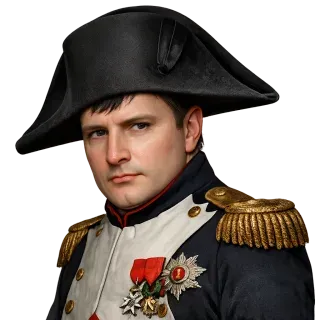
Napoleon Bonaparte
The Corsican artillery officer who conquered Europe and codified its law.
Explore Napoleon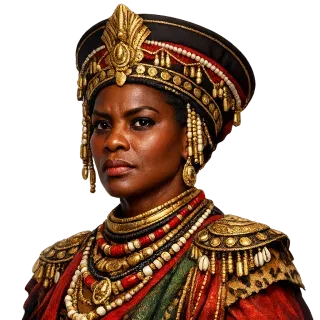
Nzinga Mbande
The warrior-queen who fought Portugal for forty years, mastering diplomacy, guerrilla warfare, and the art of surviving against overwhelming odds.
Explore Queen Nzinga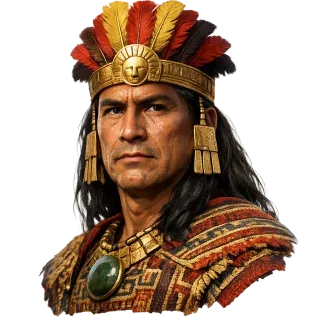
Pachacuti Inca Yupanqui
The Earth-Shaker who transformed a highland kingdom into the vast Inca Empire through conquest, administration, and the infrastructure that made governance possible.
Explore Pachacuti