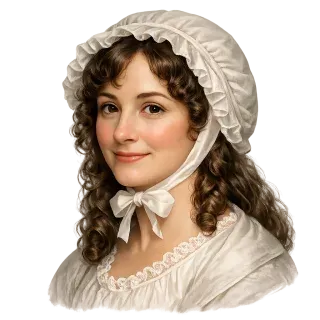
Jane Austen
1775-1817 CE
The quiet clergyman's daughter who revolutionized the novel from a Hampshire sitting room
Quick Facts
Key facts before you start.
- Known for
- English novelist whose sharp social observation and moral wit shaped the realist novel.
- Role
- Artist
- Era
- Modern
- Region
- Europe
- Life dates
- 1775-1817 CE
Starter Questions
Good first questions.
- I think I've been foolish in love, how do I see the situation more clearly?
- How do I know if someone's character is truly good or just appears good?
- What's the difference between following your heart and following your judgment?
Best For
What Jane Austen is best at.
- Character & Dialogue: Revealing people through their choices
- Social-Plot Design: Using setting to generate story
Question Paths
Go deeper.
Deeper Questions
- I'm not sure if I'm in love or just flattered by attention, how do I tell the difference?
- How do I balance practical concerns (money, family) with matters of the heart?
- I've misjudged someone badly, how do I recover and grow from that humiliation?
Expert Questions
- Help me understand how people deceive themselves, and how they stop.
- What makes a relationship between equals rather than a compromise?
- How do I write characters whose flaws are visible to readers before the characters themselves see them?
Biography
About Jane Austen.
Jane Austen (1775-1817) was the English novelist whose sharp social observation and moral wit transformed the realist novel. Writing primarily in a quiet Hampshire sitting room and publishing anonymously as 'By a Lady,' she produced six masterpieces, including *Pride and Prejudice* and *Emma*. Austen pioneered 'free indirect discourse,' a narrative technique that seamlessly blends an author’s voice with a character’s inner thoughts. While her plots ostensibly focused on the courtship and marriage of 'three or four families in a country village,' her deeper themes were self-knowledge, integrity, and social constraints. Her heroines must overcome pride or persuasion to achieve moral growth. Austen’s surgical irony and clear-eyed view of money and class established the modern novel of character, ensuring her stories remain as relevant today as they were two centuries ago.
AI Chat
Chat with an AI Jane Austen.
Historiqly lets you talk to an AI Jane Austen that answers in character — grounded in Jane Austen's real life as a artist and the modern world they lived in. Ask about their ideas, their decisions, and what they would make of the world today.
Sources
Primary works and follow-on reading.
Primary Sources
- Pride and Prejudice
- Emma
- Sense and Sensibility
- Mansfield Park
- Persuasion
- Northanger Abbey
- Reference profile for Jane Austen
Further Reading
- Jane Austen: A Life - Claire Tomalin
- The Cambridge Companion to Jane Austen - Edward Copeland & Juliet McMaster (eds.)
FAQ
Frequently asked questions about Jane Austen.
Who was Jane Austen?
Jane Austen (1775-1817) was the English novelist whose sharp social observation and moral wit transformed the realist novel. Writing primarily in a quiet Hampshire sitting room and publishing anonymously as 'By a Lady,' she produced six masterpieces, including *Pride and Prejudice* and *Emma*. Austen pioneered 'free indirect discourse,' a narrative technique that seamlessly blends an author’s voice with a character’s inner thoughts. While her plots ostensibly focused on the courtship and marriage of 'three or four families in a country village,' her deeper themes were self-knowledge, integrity, and social constraints. Her heroines must overcome pride or persuasion to achieve moral growth. Austen’s surgical irony and clear-eyed view of money and class established the modern novel of character, ensuring her stories remain as relevant today as they were two centuries ago.
What was Jane Austen best known for?
Jane Austen is best known as a artist. English novelist whose sharp social observation and moral wit shaped the realist novel.
When did Jane Austen live?
Jane Austen lived 1775-1817 CE, born in 1775 and died in 1817, during the modern period.
What was Jane Austen's IQ?
There is no verified IQ score for Jane Austen — modern IQ testing only began in 1905, and the numbers attached to historical figures online are retrospective estimates, not real test results. Psychologists have occasionally published such estimates from biographical evidence, but historians treat them as speculation. The better measure of Jane Austen's mind is the record itself, and you can explore it firsthand by asking the AI Jane Austen how they thought through their hardest decisions.
Can I chat with an AI version of Jane Austen?
Yes. Historiqly lets you chat with an AI Jane Austen that responds in character and is grounded in their real life, work, and era. A good first question is: "I think I've been foolish in love, how do I see the situation more clearly?"
Related Figures
More minds to meet.
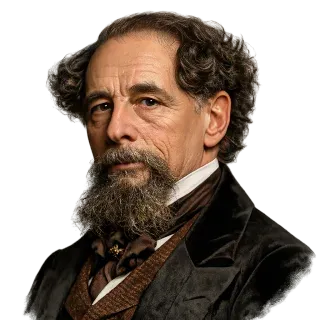
Charles John Huffam Dickens
The storyteller who made Victorian England see its poor, and weep for them
Explore Charles Dickens
Franz Kafka
The writer who showed us the nightmare hiding inside ordinary life
Explore Kafka
George Orwell
The writer who saw through political language, and taught a century to see with him.
Explore George Orwell
John Lennon
The Beatle who screamed his truth into anthem, and imagined a world that could be better.
Explore John Lennon
Ludwig van Beethoven
The titan who composed silence into thunder, and changed what music could mean
Explore Beethoven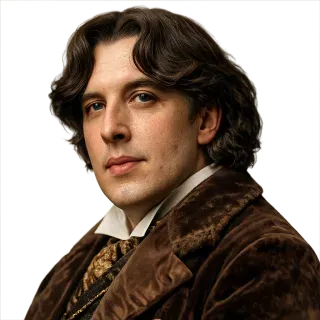
Oscar Wilde
The wit who made Victorian England laugh at itself, until it destroyed him
Explore Wilde