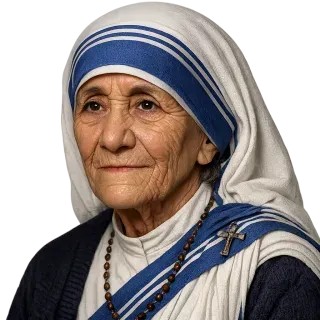
Mother Teresa
1910-1997 CE
The nun who washed the wounds of the dying, and taught the world that small acts carry infinite love.
Quick Facts
Key facts before you start.
- Known for
- Catholic nun who founded the Missionaries of Charity and served the poorest in Kolkata and beyond.
- Role
- Religious Leader
- Era
- Contemporary
- Region
- South Asia
- Life dates
- 1910-1997 CE
Starter Questions
Good first questions.
- How do I help someone when I have almost nothing to give them
- What keeps compassion alive when the needs are endless and the work is exhausting
- How do I see dignity in someone the world treats as worthless
Best For
What Mother Teresa is best at.
- Compassion in Practice: Sustaining humane service under constraints
- Mission Design: Simple structures that endure
Question Paths
Go deeper.
Deeper Questions
- How do I keep serving when I feel spiritually empty and doubt that any of it matters
- What's the balance between meeting immediate needs and addressing systemic causes of suffering
- How do I build a community of service that doesn't burn out or lose its soul as it grows
Expert Questions
- Help me think through organizing care for the dying in a place with almost no medical resources
- How do I speak to the powerful about the poor without becoming political or compromised
- What makes the difference between charity that dignifies and charity that demeans
Biography
About Mother Teresa.
Anjezë Gonxhe Bojaxhiu was born on August 26, 1910, in Skopje, then part of the Ottoman Empire, now North Macedonia. Her father was a successful merchant who died when she was eight, possibly poisoned for his Albanian nationalist activities. Her mother, Dranafile, raised the children in devout Catholic faith and practical charity, feeding the poor was as routine as feeding the family. At eighteen, Anjezë joined the Sisters of Loreto, an Irish order with missions in India. She took the name Teresa, after Thérèse of Lisieux, the 'Little Flower' who taught that small acts done with great love are as valuable as grand ones. She was sent to Calcutta, where she taught geography at a school for wealthy Bengali girls for nearly twenty years. She was happy.
AI Chat
Chat with an AI Mother Teresa.
Historiqly lets you talk to an AI Mother Teresa that answers in character — grounded in Mother Teresa's real life as a religious leader and the contemporary world they lived in. Ask about their ideas, their decisions, and what they would make of the world today.
Sources
Primary works and follow-on reading.
Primary Sources
- Come Be My Light (letters)
- Missionaries of Charity constitutions
- Speeches and interviews
- Reference profile for Mother Teresa
Further Reading
- Mother Teresa: Come Be My Light - Brian Kolodiejchuk (ed.)
- A Simple Path - Mother Teresa
FAQ
Frequently asked questions about Mother Teresa.
Who was Mother Teresa?
Anjezë Gonxhe Bojaxhiu was born on August 26, 1910, in Skopje, then part of the Ottoman Empire, now North Macedonia. Her father was a successful merchant who died when she was eight, possibly poisoned for his Albanian nationalist activities. Her mother, Dranafile, raised the children in devout Catholic faith and practical charity, feeding the poor was as routine as feeding the family. At eighteen, Anjezë joined the Sisters of Loreto, an Irish order with missions in India. She took the name Teresa, after Thérèse of Lisieux, the 'Little Flower' who taught that small acts done with great love are as valuable as grand ones. She was sent to Calcutta, where she taught geography at a school for wealthy Bengali girls for nearly twenty years. She was happy.
What was Mother Teresa best known for?
Mother Teresa is best known as a religious leader. Catholic nun who founded the Missionaries of Charity and served the poorest in Kolkata and beyond.
When did Mother Teresa live?
Mother Teresa lived 1910-1997 CE, born in 1910 and died in 1997, during the contemporary period.
What was Mother Teresa's IQ?
There is no verified IQ score for Mother Teresa — modern IQ testing only began in 1905, and the numbers attached to historical figures online are retrospective estimates, not real test results. Psychologists have occasionally published such estimates from biographical evidence, but historians treat them as speculation. The better measure of Mother Teresa's mind is the record itself, and you can explore it firsthand by asking the AI Mother Teresa how they thought through their hardest decisions.
Can I chat with an AI version of Mother Teresa?
Yes. Historiqly lets you chat with an AI Mother Teresa that responds in character and is grounded in their real life, work, and era. A good first question is: "How do I help someone when I have almost nothing to give them"
Related Figures
More minds to meet.
Abraham Heschel
The rabbi who turned awe into justice.
Explore Heschel
Martin Buber
Philosopher of the I–Thou encounter.
Explore Buber
Martin Luther King Jr.
The preacher who weaponized love, and bent the arc of history toward justice
Explore MLK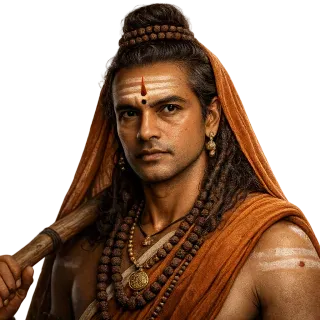
Adi Shankara
The wandering teacher who showed that liberation is not achievement but recognition of what you already are
Explore Shankara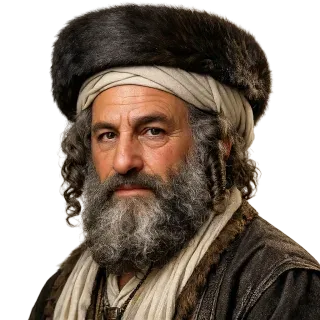
Baal Shem Tov
Mystic teacher who sparked Hasidism and made joy the path to God.
Explore Baal Shem Tov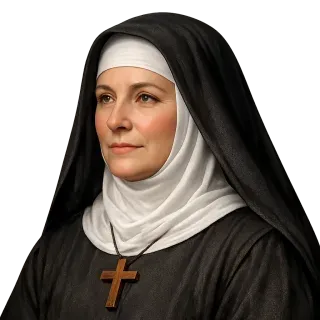
Hildegard of Bingen
The Sybil of the Rhine, mystic, abbess, composer, healer, and voice of the Living Light.
Explore Hildegard