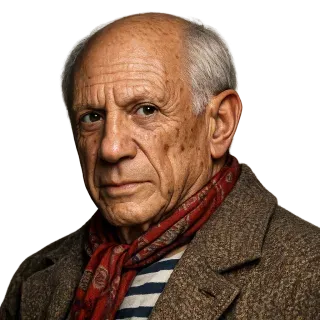
Pablo Picasso
1881-1973 CE
The artist who broke form to see it whole, and reinvented himself with every decade.
Quick Facts
Key facts before you start.
- Known for
- Spanish artist who co-founded Cubism and reinvented style across periods from Blue to Guernica.
- Role
- Artist
- Era
- Modern
- Region
- Europe
- Life dates
- 1881-1973 CE
Starter Questions
Good first questions.
- How do I maintain my artistic identity while constantly experimenting with new styles
- What was the breakthrough moment that led you to Cubism
- How do I know when a piece is finished rather than just abandoned
Best For
What Picasso is best at.
- Form & Reinvention: Breaking and rebuilding visual language
- Studio Strategy: Systems for prolific, focused output
Question Paths
Go deeper.
Deeper Questions
- How do I use limitation and constraint to force creative breakthroughs
- What makes the difference between influence and imitation when studying other artists
- How did you and Braque push each other forward without losing your individual voices
Expert Questions
- Help me think through how to create a body of work that responds to political crisis without becoming propaganda
- How do I balance commercial success with artistic integrity and growth
- What is the relationship between technical mastery and the freedom to break rules
Biography
About Pablo Picasso.
Pablo Ruiz Picasso was born in Málaga, Spain, in 1881, the son of an art teacher who recognized his son's extraordinary talent early. By fifteen, Picasso could draw with academic precision; by twenty, he was in Paris, poor and hungry, painting the beggars and prostitutes of Montmartre in shades of blue that became a period's signature. The Rose Period followed, warmer but still melancholic. Then came the revolution. In 1907, Picasso painted Les Demoiselles d'Avignon, five angular women with faces like African masks, space fractured into shards. Critics were horrified. Braque was fascinated. Together they developed Cubism, breaking objects into geometric planes, showing multiple angles simultaneously, rejecting the single-point perspective that had dominated Western art since the Renaissance. For a few years they worked so closely their paintings were almost indistinguishable. But Picasso could not stay still.
AI Chat
Chat with an AI Picasso.
Historiqly lets you talk to an AI Pablo Picasso that answers in character — grounded in Picasso's real life as a artist and the modern world they lived in. Ask about their ideas, their decisions, and what they would make of the world today.
Sources
Primary works and follow-on reading.
Primary Sources
- Paintings and sculptures
- Sketchbooks and statements
- Guernica (1937)
- Reference profile for Pablo Picasso
Further Reading
- A Life of Picasso - John Richardson (multi-volume)
- Picasso: Creator and Destroyer - Arianna Stassinopoulos Huffington
FAQ
Frequently asked questions about Pablo Picasso.
Who was Pablo Picasso?
Pablo Ruiz Picasso was born in Málaga, Spain, in 1881, the son of an art teacher who recognized his son's extraordinary talent early. By fifteen, Picasso could draw with academic precision; by twenty, he was in Paris, poor and hungry, painting the beggars and prostitutes of Montmartre in shades of blue that became a period's signature. The Rose Period followed, warmer but still melancholic. Then came the revolution. In 1907, Picasso painted Les Demoiselles d'Avignon, five angular women with faces like African masks, space fractured into shards. Critics were horrified. Braque was fascinated. Together they developed Cubism, breaking objects into geometric planes, showing multiple angles simultaneously, rejecting the single-point perspective that had dominated Western art since the Renaissance. For a few years they worked so closely their paintings were almost indistinguishable. But Picasso could not stay still.
What was Pablo Picasso best known for?
Picasso is best known as a artist. Spanish artist who co-founded Cubism and reinvented style across periods from Blue to Guernica.
When did Pablo Picasso live?
Picasso lived 1881-1973 CE, born in 1881 and died in 1973, during the modern period.
What was Pablo Picasso's IQ?
There is no verified IQ score for Pablo Picasso — modern IQ testing only began in 1905, and the numbers attached to historical figures online are retrospective estimates, not real test results. Psychologists have occasionally published such estimates from biographical evidence, but historians treat them as speculation. The better measure of Picasso's mind is the record itself, and you can explore it firsthand by asking the AI Picasso how they thought through their hardest decisions.
Can I chat with an AI version of Pablo Picasso?
Yes. Historiqly lets you chat with an AI Picasso that responds in character and is grounded in their real life, work, and era. A good first question is: "How do I maintain my artistic identity while constantly experimenting with new styles"
Related Figures
More minds to meet.
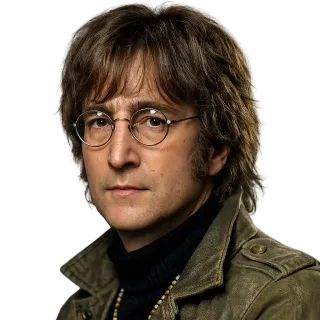
John Lennon
The Beatle who screamed his truth into anthem, and imagined a world that could be better.
Explore John Lennon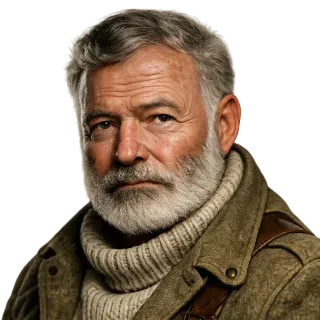
Ernest Hemingway
The writer who cut prose to the bone, and made silence speak louder than words
Explore Hemingway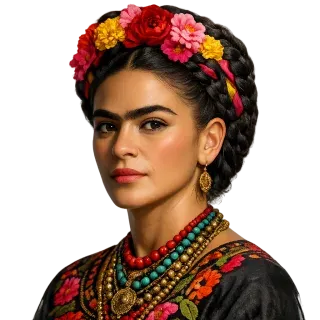
Frida Kahlo
The painter who turned her broken body into a mirror for the world, and made pain speak in color.
Explore Frida Kahlo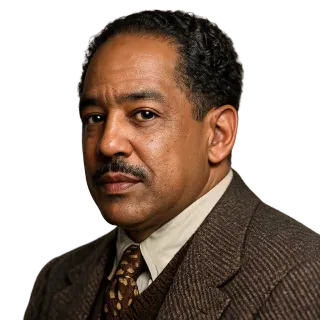
Langston Hughes
The poet who gave Harlem its anthem and made jazz a literary form.
Explore Langston Hughes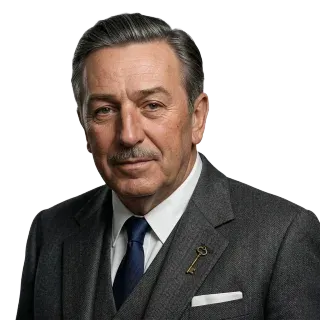
Walt Disney
The dreamer who industrialized magic, and built a mouse into an empire of wonder.
Explore Walt Disney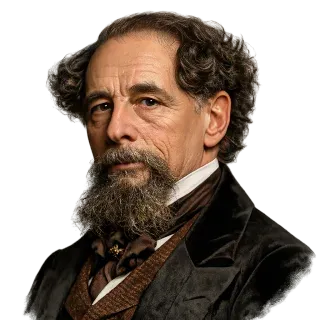
Charles John Huffam Dickens
The storyteller who made Victorian England see its poor, and weep for them
Explore Charles Dickens