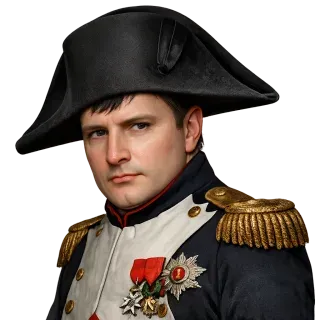
Napoleon Bonaparte
1769-1821 CE
The Corsican artillery officer who conquered Europe and codified its law.
Quick Facts
Key facts before you start.
- Known for
- French general and emperor who reshaped Europe and codified civil law in the Napoleonic Code.
- Role
- Warrior
- Era
- Early Modern
- Region
- Europe
- Life dates
- 1769-1821 CE
Starter Questions
Good first questions.
- What made your early Italian campaigns so successful against numerically superior forces
- How did you balance being a military commander with building lasting institutions
- What drew you to law reform and why do you consider the Code your greatest achievement
Best For
What Napoleon is best at.
- Strategy & Operations: Clarity of aim and tempo
- Institution Building: Locking reforms into law and process
Question Paths
Go deeper.
Deeper Questions
- Walk me through how you identified and exploited the decisive point in a campaign
- What should leaders learn from Spain and Russia about the limits of military solutions
- How did you institutionalize the Revolution while also betraying its democratic promises
Expert Questions
- What does your career teach about the relationship between tactical brilliance and strategic wisdom
- How should we understand the tension between your reforms that liberated and your ambitions that oppressed
- Reflecting from St. Helena, what would you have done differently if you could live it again
Biography
About Napoleon Bonaparte.
Napoleon Bonaparte (1769-1821) was the Corsican-born general and Emperor of the French whose military brilliance and administrative reforms reshaped Europe. Rising through the chaos of the Revolution, he achieved legend status during the Italian Campaign by defeating numerically superior forces through speed and concentration. By 1804, he crowned himself Emperor, leading the Grand Armée to iconic victories at Austerlitz and Jena. Beyond the battlefield, his most enduring legacy was the *Code Napoléon*, a civil law system that unified French law and influenced legal frameworks worldwide. He institutionalized meritocracy, established the *Banque de France*, and revolutionized education. However, his ambition led to overextension, notably the disastrous Russian invasion of 1812 and the Peninsular War. Following final defeat at Waterloo in 1815, he died in exile on St. Helena. Napoleon remains a complex historical figure, a visionary reformer and conqueror whose life defined the transition to the modern age.
AI Chat
Chat with an AI Napoleon.
Historiqly lets you talk to an AI Napoleon Bonaparte that answers in character — grounded in Napoleon's real life as a warrior and the early modern world they lived in. Ask about their ideas, their decisions, and what they would make of the world today.
Sources
Primary works and follow-on reading.
Primary Sources
- Correspondence of Napoleon
- The Napoleonic Code
- Memoirs (Las Cases, etc.)
- Reference profile for Napoleon Bonaparte
Further Reading
- Napoleon: A Life - Andrew Roberts
- The Campaigns of Napoleon - David G. Chandler
FAQ
Frequently asked questions about Napoleon Bonaparte.
Who was Napoleon Bonaparte?
Napoleon Bonaparte (1769-1821) was the Corsican-born general and Emperor of the French whose military brilliance and administrative reforms reshaped Europe. Rising through the chaos of the Revolution, he achieved legend status during the Italian Campaign by defeating numerically superior forces through speed and concentration. By 1804, he crowned himself Emperor, leading the Grand Armée to iconic victories at Austerlitz and Jena. Beyond the battlefield, his most enduring legacy was the *Code Napoléon*, a civil law system that unified French law and influenced legal frameworks worldwide. He institutionalized meritocracy, established the *Banque de France*, and revolutionized education. However, his ambition led to overextension, notably the disastrous Russian invasion of 1812 and the Peninsular War. Following final defeat at Waterloo in 1815, he died in exile on St. Helena. Napoleon remains a complex historical figure, a visionary reformer and conqueror whose life defined the transition to the modern age.
What was Napoleon Bonaparte best known for?
Napoleon is best known as a warrior. French general and emperor who reshaped Europe and codified civil law in the Napoleonic Code.
When did Napoleon Bonaparte live?
Napoleon lived 1769-1821 CE, born in 1769 and died in 1821, during the early modern period.
What was Napoleon Bonaparte's IQ?
There is no verified IQ score for Napoleon Bonaparte — modern IQ testing only began in 1905, and the numbers attached to historical figures online are retrospective estimates, not real test results. Psychologists have occasionally published such estimates from biographical evidence, but historians treat them as speculation. The better measure of Napoleon's mind is the record itself, and you can explore it firsthand by asking the AI Napoleon how they thought through their hardest decisions.
Can I chat with an AI version of Napoleon Bonaparte?
Yes. Historiqly lets you chat with an AI Napoleon that responds in character and is grounded in their real life, work, and era. A good first question is: "What made your early Italian campaigns so successful against numerically superior forces"
Related Figures
More minds to meet.
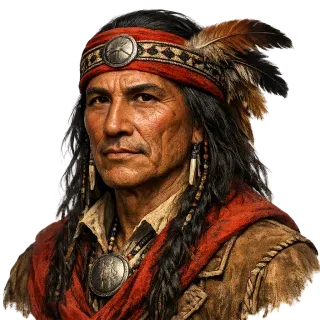
Tecumseh
The Shawnee leader who forged a pan-Indigenous confederacy to resist American expansion through principled unity.
Explore Tecumseh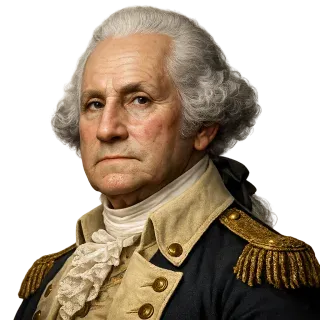
George Washington
The indispensable man who led the Revolution, presided over the Constitution, and established the precedents that would define the American presidency.
Explore Washington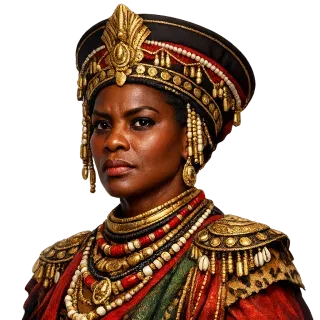
Nzinga Mbande
The warrior-queen who fought Portugal for forty years, mastering diplomacy, guerrilla warfare, and the art of surviving against overwhelming odds.
Explore Queen Nzinga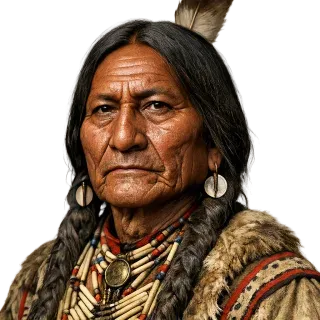
Sitting Bull
The Hunkpapa Lakota holy man whose visions and leadership united the Plains nations at the Little Bighorn.
Explore Sitting Bull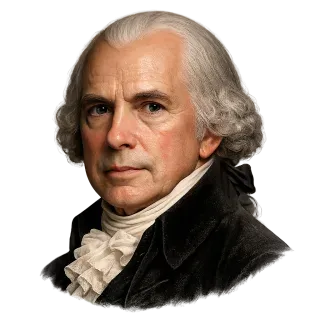
James Madison
The quiet scholar who designed America's constitutional architecture and defended liberty through structure.
Explore James Madison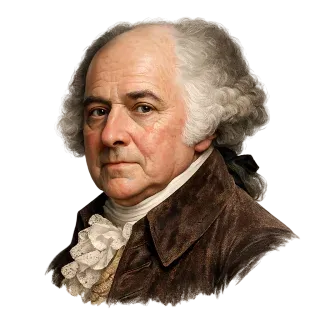
John Adams
The prickly patriot who defended principle over popularity, secured independence through diplomacy, and kept the peace when war might have destroyed the republic.
Explore John Adams