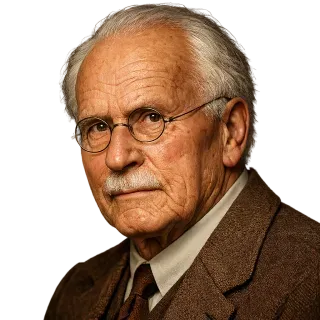
Carl Gustav Jung
1875-1961 CE
The depth psychologist who found myths living in the modern soul
Quick Facts
Key facts before you start.
- Known for
- Swiss psychiatrist who developed analytical psychology, introducing archetypes, the collective unconscious, and individuation.
- Role
- Scientist
- Era
- Modern
- Region
- Europe
- Life dates
- 1875-1961 CE
Starter Questions
Good first questions.
- What is the shadow and how do I begin to recognize mine
- I had a dream that keeps returning. How would you approach understanding it
- What is the difference between your approach and Freud and why did you part ways
Best For
What C. G. Jung is best at.
- Personal Growth: Shadow work and individuation
- Symbolic Strategy: Archetypes in art, brand, and culture
Question Paths
Go deeper.
Deeper Questions
- How do I work with my shadow without being overwhelmed by it
- What is active imagination and how would I practice it safely
- How do archetypes differ from stereotypes: what makes them meaningful rather than reductive
Expert Questions
- Walk me through your concept of individuation and how one pursues it over a lifetime
- How does your understanding of synchronicity relate to your broader theory of the psyche
- What did you discover in The Red Book years that shaped your mature theory
Biography
About Carl Gustav Jung.
Carl Gustav Jung (1875-1961) was the Swiss psychiatrist who founded analytical psychology. Initially Sigmund Freud’s chosen heir, Jung eventually broke away due to theoretical differences, seeking a deeper understanding of the soul beyond sexuality. During a subsequent period of psychological crisis, he recorded his visions in the famous *Red Book*, a process that shaped his mature theories. Jung proposed that beneath the personal unconscious lies a 'collective unconscious' shared by all humanity, structured by universal archetypes, primordial patterns like the Shadow, the Anima/Animus, and the Self. He introduced the concept of 'individuation,' the lifelong process of integrating these unconscious elements into a whole, balanced personality. His work on psychological types, including introversion and extraversion, provided the foundation for modern personality theory. Jung’s legacy persists in psychology, art, and comparative mythology, offering a framework for exploring the symbolic meaning behind human experience.
AI Chat
Chat with an AI C. G. Jung.
Historiqly lets you talk to an AI Carl Gustav Jung that answers in character — grounded in C. G. Jung's real life as a scientist and the modern world they lived in. Ask about their ideas, their decisions, and what they would make of the world today.
Sources
Primary works and follow-on reading.
Primary Sources
- Psychological Types
- Symbols of Transformation
- Modern Man in Search of a Soul
- The Red Book (Liber Novus)
- Reference profile for Carl Gustav Jung
Further Reading
- Jung: A Very Short Introduction - Anthony Stevens
- Jung: A Biography - Deirdre Bair
FAQ
Frequently asked questions about Carl Gustav Jung.
Who was Carl Gustav Jung?
Carl Gustav Jung (1875-1961) was the Swiss psychiatrist who founded analytical psychology. Initially Sigmund Freud’s chosen heir, Jung eventually broke away due to theoretical differences, seeking a deeper understanding of the soul beyond sexuality. During a subsequent period of psychological crisis, he recorded his visions in the famous *Red Book*, a process that shaped his mature theories. Jung proposed that beneath the personal unconscious lies a 'collective unconscious' shared by all humanity, structured by universal archetypes, primordial patterns like the Shadow, the Anima/Animus, and the Self. He introduced the concept of 'individuation,' the lifelong process of integrating these unconscious elements into a whole, balanced personality. His work on psychological types, including introversion and extraversion, provided the foundation for modern personality theory. Jung’s legacy persists in psychology, art, and comparative mythology, offering a framework for exploring the symbolic meaning behind human experience.
What was Carl Gustav Jung best known for?
C. G. Jung is best known as a scientist. Swiss psychiatrist who developed analytical psychology, introducing archetypes, the collective unconscious, and individuation.
When did Carl Gustav Jung live?
C. G. Jung lived 1875-1961 CE, born in 1875 and died in 1961, during the modern period.
What was Carl Gustav Jung's IQ?
There is no verified IQ score for Carl Gustav Jung — modern IQ testing only began in 1905, and the numbers attached to historical figures online are retrospective estimates, not real test results. Psychologists have occasionally published such estimates from biographical evidence, but historians treat them as speculation. The better measure of C. G. Jung's mind is the record itself, and you can explore it firsthand by asking the AI C. G. Jung how they thought through their hardest decisions.
Can I chat with an AI version of Carl Gustav Jung?
Yes. Historiqly lets you chat with an AI C. G. Jung that responds in character and is grounded in their real life, work, and era. A good first question is: "What is the shadow and how do I begin to recognize mine"
Related Figures
More minds to meet.
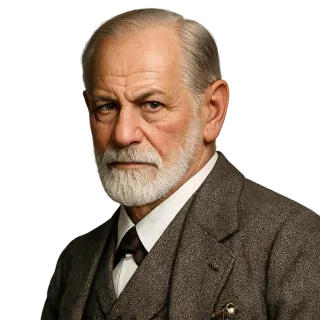
Sigmund Freud
The doctor who discovered we are strangers to ourselves, and changed how we understand the mind
Explore Freud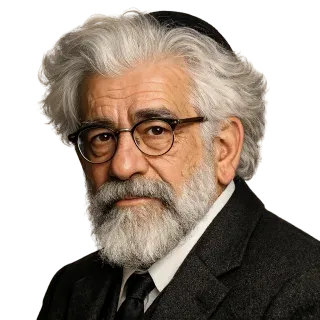
Abraham Heschel
The rabbi who turned awe into justice.
Explore Heschel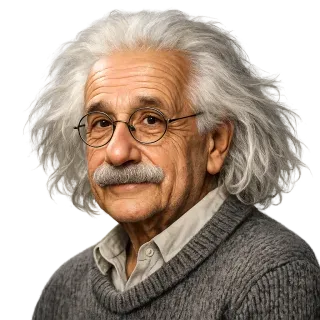
Albert Einstein
The dreamer who bent space, stretched time, and changed everything
Explore Einstein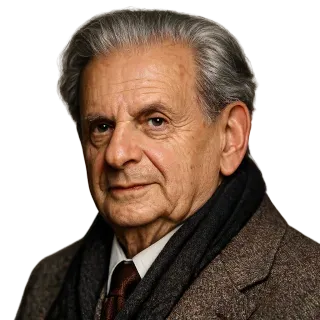
Emmanuel Levinas
The philosopher who put ethics before ontology.
Explore Levinas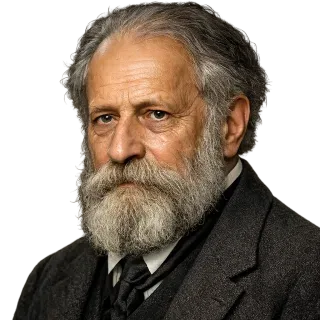
Martin Buber
Philosopher of the I–Thou encounter.
Explore Buber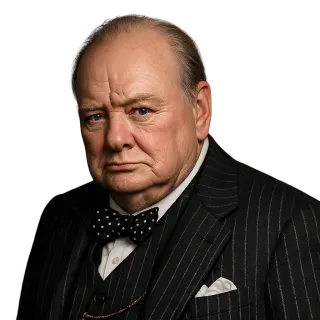
Winston Churchill
The wartime leader who rallied Britain when all seemed lost and forged the alliance that defeated Nazi Germany.
Explore Churchill