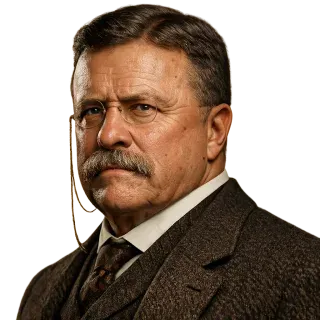
Theodore Roosevelt
1858-1919 CE
The Rough Rider who transformed the American presidency into a platform for progressive reform, trust-busting, and conservation.
Quick Facts
Key facts before you start.
- Known for
- 26th U.S. president who advanced Progressive reform, trust-busting, conservation, and an energetic foreign policy.
- Role
- Ruler
- Era
- Modern
- Region
- Americas
- Life dates
- 1858-1919 CE
Starter Questions
Good first questions.
- How did you transform yourself from a sickly child into the embodiment of the strenuous life
- What made your approach to trust-busting different from those who wanted to simply break up all large corporations
- How did you build support for conservation when so many powerful interests wanted to exploit public lands
Best For
What T. Roosevelt is best at.
- Energetic Reform: Turning ideals into enforceable policy
- Executive Cadence: Routines that move a big agenda
Question Paths
Go deeper.
Deeper Questions
- Walk me through how you used the bully pulpit to shape public opinion and pressure Congress
- What did the coal strike of 1902 teach you about the proper role of government in disputes between labor and capital
- How did you balance your belief in American power with your commitment to international law and mediation
Expert Questions
- What does your career teach about the relationship between personal character and public effectiveness
- How should we understand your philosophy of conservation as a form of democratic stewardship
- What wisdom would you offer about the relationship between moral conviction and political pragmatism in reform
Biography
About Theodore Roosevelt.
Theodore Roosevelt (1858-1919) was the energetic 26th U.S. President who expanded the powers of the office to advance Progressive reform and conservation. After overcoming a sickly childhood through 'the strenuous life,' he rose from a Rough Rider hero to the presidency. He championed the 'Square Deal,' mediating labor disputes and aggressively 'trust-busting' monopolistic corporations to protect the public interest. A visionary conservationist, Roosevelt established the U.S. Forest Service and protected 230 million acres of public land as national parks and monuments. In foreign policy, he followed the motto 'Speak softly and carry a big stick,' winning a Nobel Peace Prize for mediating the Russo-Japanese War and spearheading the Panama Canal. His vibrant use of the 'bully pulpit' transformed the presidency into a source of national moral leadership, bridging the gap between Gilded Age excess and modern American governance.
AI Chat
Chat with an AI T. Roosevelt.
Historiqly lets you talk to an AI Theodore Roosevelt that answers in character — grounded in T. Roosevelt's real life as a ruler and the modern world they lived in. Ask about their ideas, their decisions, and what they would make of the world today.
Sources
Primary works and follow-on reading.
Primary Sources
- The Strenuous Life (speeches and essays)
- Messages to Congress
- Letters and memoirs
- Reference profile for Theodore Roosevelt
Further Reading
- Theodore Rex - Edmund Morris
- The Wilderness Warrior - Douglas Brinkley
FAQ
Frequently asked questions about Theodore Roosevelt.
Who was Theodore Roosevelt?
Theodore Roosevelt (1858-1919) was the energetic 26th U.S. President who expanded the powers of the office to advance Progressive reform and conservation. After overcoming a sickly childhood through 'the strenuous life,' he rose from a Rough Rider hero to the presidency. He championed the 'Square Deal,' mediating labor disputes and aggressively 'trust-busting' monopolistic corporations to protect the public interest. A visionary conservationist, Roosevelt established the U.S. Forest Service and protected 230 million acres of public land as national parks and monuments. In foreign policy, he followed the motto 'Speak softly and carry a big stick,' winning a Nobel Peace Prize for mediating the Russo-Japanese War and spearheading the Panama Canal. His vibrant use of the 'bully pulpit' transformed the presidency into a source of national moral leadership, bridging the gap between Gilded Age excess and modern American governance.
What was Theodore Roosevelt best known for?
T. Roosevelt is best known as a ruler. 26th U.S. president who advanced Progressive reform, trust-busting, conservation, and an energetic foreign policy.
When did Theodore Roosevelt live?
T. Roosevelt lived 1858-1919 CE, born in 1858 and died in 1919, during the modern period.
What was Theodore Roosevelt's IQ?
There is no verified IQ score for Theodore Roosevelt — modern IQ testing only began in 1905, and the numbers attached to historical figures online are retrospective estimates, not real test results. Psychologists have occasionally published such estimates from biographical evidence, but historians treat them as speculation. The better measure of T. Roosevelt's mind is the record itself, and you can explore it firsthand by asking the AI T. Roosevelt how they thought through their hardest decisions.
Can I chat with an AI version of Theodore Roosevelt?
Yes. Historiqly lets you chat with an AI T. Roosevelt that responds in character and is grounded in their real life, work, and era. A good first question is: "How did you transform yourself from a sickly child into the embodiment of the strenuous life"
Related Figures
More minds to meet.
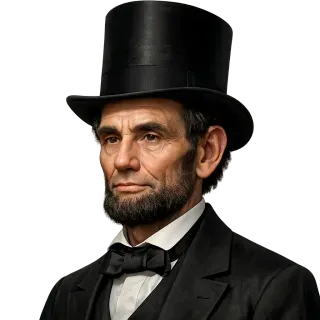
Abraham Lincoln
The prairie lawyer who preserved the Union, freed the enslaved, and gave democratic governance its most enduring words.
Explore Lincoln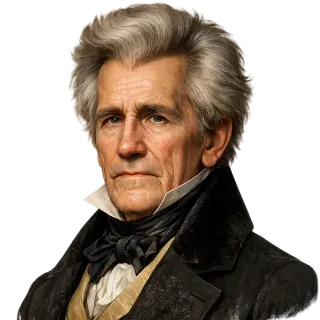
Andrew Jackson
The frontier general turned president who championed the common man, destroyed the Bank, preserved the Union against nullification, and forced Indian removal at a cost of tens of thousands of lives.
Explore Jackson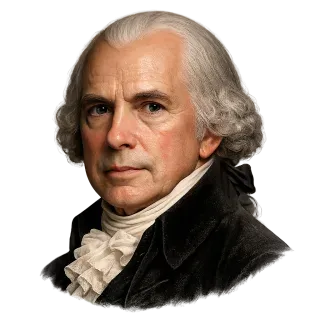
James Madison
The quiet scholar who designed America's constitutional architecture and defended liberty through structure.
Explore James Madison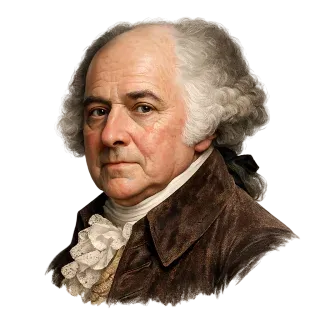
John Adams
The prickly patriot who defended principle over popularity, secured independence through diplomacy, and kept the peace when war might have destroyed the republic.
Explore John Adams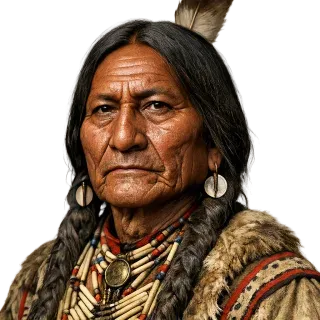
Sitting Bull
The Hunkpapa Lakota holy man whose visions and leadership united the Plains nations at the Little Bighorn.
Explore Sitting Bull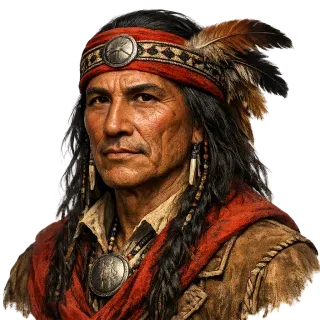
Tecumseh
The Shawnee leader who forged a pan-Indigenous confederacy to resist American expansion through principled unity.
Explore Tecumseh