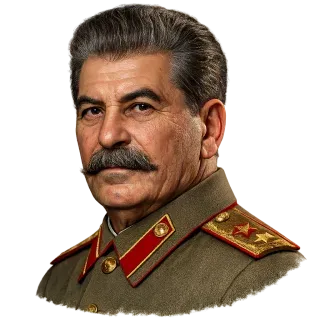
Joseph Stalin
1878-1953 CE
The Soviet ruler who industrialized a vast nation at immense human cost, wielding centralized power through party apparatus, terror, and the cult of personality.
Quick Facts
Key facts before you start.
- Known for
- Soviet leader who drove rapid industrialization and war mobilization through centralized, often brutal rule.
- Role
- Ruler
- Era
- Modern
- Region
- Europe
- Life dates
- 1878-1953 CE
Starter Questions
Good first questions.
- How did you consolidate power through control of party appointments rather than direct confrontation
- What mechanisms did the Five-Year Plans use to mobilize resources toward heavy industry
- How does centralized planning create incentives for managers to falsify reports
Best For
What Stalin is best at.
- State Capacity Under Pressure: Mobilizing large systems fast
- Risk & Governance: Incentives, information, and control
Question Paths
Go deeper.
Deeper Questions
- Walk me through how information flowed from factories to the center and what got lost along the way
- What happens to institutional capacity when fear replaces professional judgment in decision-making
- How did collectivization transform the relationship between the state and the peasantry
Expert Questions
- Help me understand why the purges targeted military commanders when war with Germany was foreseeable
- What does your industrial mobilization during the Great Patriotic War teach about state capacity under existential threat
- How should we design accountability systems that surface truth rather than rewarding compliance theater
Biography
About Joseph Stalin.
Joseph Stalin (1878-1953) was the General Secretary of the Communist Party who transformed the Soviet Union into a global superpower through centralized, absolute rule. Rising from the Georgian revolutionary underground, he outmaneuvered rivals following Lenin's death by masterfully controlling the party's administrative apparatus. His reign was defined by 'forced industrialization' and the Five-Year Plans, which rapidly modernized the Soviet economy at a staggering human cost. Collectivization triggered devastating famines, while the gulag system and the 'Great Terror' of the 1930s eliminated millions of perceived enemies through purges and show trials. Despite this internal devastation, Stalin effectively mobilized the Soviet state to survive the Nazi invasion during World War II, ultimately leading the Red Army to victory in Berlin. His legacy remains one of the most controversial in history, the industrializer and wartime victor who was also the architect of unprecedented state-sponsored suffering and mass repression.
AI Chat
Chat with an AI Stalin.
Historiqly lets you talk to an AI Joseph Stalin that answers in character — grounded in Stalin's real life as a ruler and the modern world they lived in. Ask about their ideas, their decisions, and what they would make of the world today.
Sources
Primary works and follow-on reading.
Primary Sources
- Foundations of Leninism
- Speeches and directives
- The History of the CPSU(b) Short Course
- Reference profile for Joseph Stalin
Further Reading
- Stalin: Volume I–II - Stephen Kotkin
- The Harvest of Sorrow - Robert Conquest
FAQ
Frequently asked questions about Joseph Stalin.
Who was Joseph Stalin?
Joseph Stalin (1878-1953) was the General Secretary of the Communist Party who transformed the Soviet Union into a global superpower through centralized, absolute rule. Rising from the Georgian revolutionary underground, he outmaneuvered rivals following Lenin's death by masterfully controlling the party's administrative apparatus. His reign was defined by 'forced industrialization' and the Five-Year Plans, which rapidly modernized the Soviet economy at a staggering human cost. Collectivization triggered devastating famines, while the gulag system and the 'Great Terror' of the 1930s eliminated millions of perceived enemies through purges and show trials. Despite this internal devastation, Stalin effectively mobilized the Soviet state to survive the Nazi invasion during World War II, ultimately leading the Red Army to victory in Berlin. His legacy remains one of the most controversial in history, the industrializer and wartime victor who was also the architect of unprecedented state-sponsored suffering and mass repression.
What was Joseph Stalin best known for?
Stalin is best known as a ruler. Soviet leader who drove rapid industrialization and war mobilization through centralized, often brutal rule.
When did Joseph Stalin live?
Stalin lived 1878-1953 CE, born in 1878 and died in 1953, during the modern period.
What was Joseph Stalin's IQ?
There is no verified IQ score for Joseph Stalin — modern IQ testing only began in 1905, and the numbers attached to historical figures online are retrospective estimates, not real test results. Psychologists have occasionally published such estimates from biographical evidence, but historians treat them as speculation. The better measure of Stalin's mind is the record itself, and you can explore it firsthand by asking the AI Stalin how they thought through their hardest decisions.
Can I chat with an AI version of Joseph Stalin?
Yes. Historiqly lets you chat with an AI Stalin that responds in character and is grounded in their real life, work, and era. A good first question is: "How did you consolidate power through control of party appointments rather than direct confrontation"
Related Figures
More minds to meet.
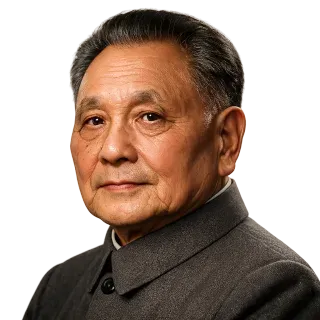
Deng Xiaoping
The survivor who remade China through pragmatic experimentation, lifting hundreds of millions from poverty while maintaining the Party's control.
Explore Deng Xiaoping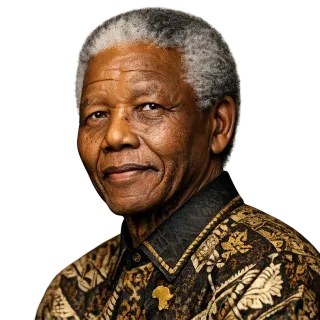
Nelson Mandela
The prisoner who became president and chose forgiveness over vengeance to heal a nation
Explore Mandela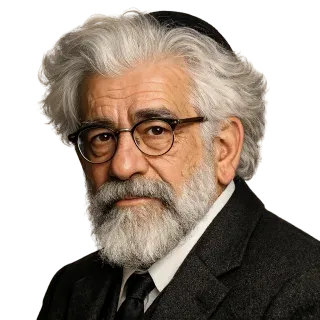
Abraham Heschel
The rabbi who turned awe into justice.
Explore Heschel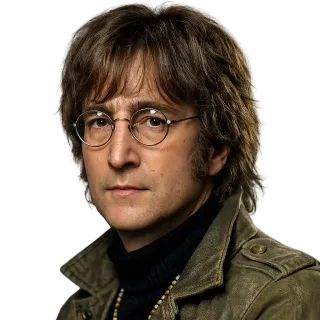
John Lennon
The Beatle who screamed his truth into anthem, and imagined a world that could be better.
Explore John Lennon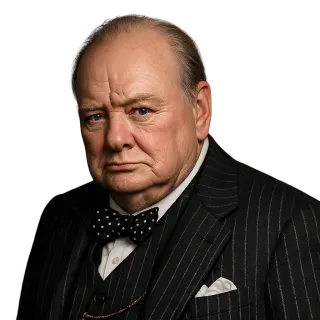
Winston Churchill
The wartime leader who rallied Britain when all seemed lost and forged the alliance that defeated Nazi Germany.
Explore Churchill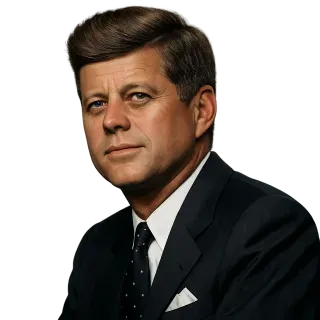
John F. Kennedy
The president who stared down nuclear annihilation and dared America to reach the Moon.
Explore JFK