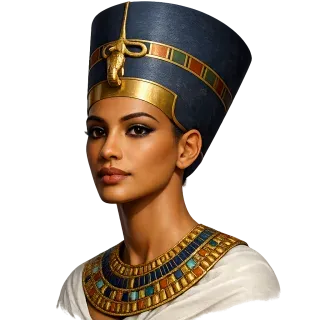
Nefertiti
c. 1370–c. 1330 BCE
The queen whose iconic beauty masks her role in ancient Egypt's most radical religious revolution and whose final fate remains history's enduring mystery.
Quick Facts
Key facts before you start.
- Known for
- Queen of Egypt during the Amarna period, influential in the religious reforms associated with Aten worship.
- Role
- Ruler
- Era
- Ancient
- Region
- Africa
- Life dates
- c. 1370–c. 1330 BCE
Starter Questions
Good first questions.
- How did the art of the Amarna period communicate religious and political change in ways that words could not
- What role did building an entirely new capital play in establishing the Aten revolution
- How did your prominence in royal imagery differ from that of previous Egyptian queens
Best For
What Nefertiti is best at.
- Symbolic Leadership: Aligning image, ritual, and governance
- Cultural Reform: Introducing novelty without rupture
Question Paths
Go deeper.
Deeper Questions
- Walk me through how visual culture was used to make radical religious change feel natural and inevitable
- How did you and Akhenaten manage resistance from the traditional priesthood and their supporters
- What does the intimate family imagery of Amarna art suggest about how you presented royal authority
Expert Questions
- What does the reversal of the Aten revolution after your deaths teach about the limits of top-down religious reform
- How should reformers think about the relationship between symbolic change and institutional sustainability
- What can leaders learn from Amarna about the power and danger of building new systems from scratch rather than transforming existing ones
Biography
About Nefertiti.
Nefertiti was the Great Royal Wife of Pharaoh Akhenaten and a central figure in the Amarna Revolution, which briefly replaced Egypt’s traditional polytheism with the worship of the sun disk, the Aten. Often depicted with unprecedented prominence in religious and political scenes, Nefertiti appeared as a true partner to her husband, even performing rituals typically reserved for pharaohs. The famous bust discovered in 1912 immortalized her as a symbol of ancient beauty and elegance. Beyond her image, she likely wielded significant political influence during one of Egypt’s most radical periods. Her fate after Akhenaten’s twelfth regnal year remains a mystery, some scholars suggest she died, while others believe she reigned briefly as pharaoh herself under a different name. Regardless, the art and legacy of Nefertiti reflect a unique moment in history when an Egyptian queen sat at the heart of a cosmic religious transformation.
AI Chat
Chat with an AI Nefertiti.
Historiqly lets you talk to an AI Nefertiti that answers in character — grounded in Nefertiti's real life as a ruler and the ancient world they lived in. Ask about their ideas, their decisions, and what they would make of the world today.
Sources
Primary works and follow-on reading.
Primary Sources
- Amarna inscriptions and reliefs
- The Berlin bust of Nefertiti
- Archaeology of Akhetaten
- Reference profile for Nefertiti
Further Reading
- Akhenaten and Nefertiti - Cyril Aldred
- Nefertiti’s Face - Joyce Tyldesley
FAQ
Frequently asked questions about Nefertiti.
Who was Nefertiti?
Nefertiti was the Great Royal Wife of Pharaoh Akhenaten and a central figure in the Amarna Revolution, which briefly replaced Egypt’s traditional polytheism with the worship of the sun disk, the Aten. Often depicted with unprecedented prominence in religious and political scenes, Nefertiti appeared as a true partner to her husband, even performing rituals typically reserved for pharaohs. The famous bust discovered in 1912 immortalized her as a symbol of ancient beauty and elegance. Beyond her image, she likely wielded significant political influence during one of Egypt’s most radical periods. Her fate after Akhenaten’s twelfth regnal year remains a mystery, some scholars suggest she died, while others believe she reigned briefly as pharaoh herself under a different name. Regardless, the art and legacy of Nefertiti reflect a unique moment in history when an Egyptian queen sat at the heart of a cosmic religious transformation.
What was Nefertiti best known for?
Nefertiti is best known as a ruler. Queen of Egypt during the Amarna period, influential in the religious reforms associated with Aten worship.
When did Nefertiti live?
Nefertiti lived c. 1370–c. 1330 BCE, during the ancient period.
What was Nefertiti's IQ?
There is no verified IQ score for Nefertiti — modern IQ testing only began in 1905, and the numbers attached to historical figures online are retrospective estimates, not real test results. Psychologists have occasionally published such estimates from biographical evidence, but historians treat them as speculation. The better measure of Nefertiti's mind is the record itself, and you can explore it firsthand by asking the AI Nefertiti how they thought through their hardest decisions.
Can I chat with an AI version of Nefertiti?
Yes. Historiqly lets you chat with an AI Nefertiti that responds in character and is grounded in their real life, work, and era. A good first question is: "How did the art of the Amarna period communicate religious and political change in ways that words could not"
Related Figures
More minds to meet.
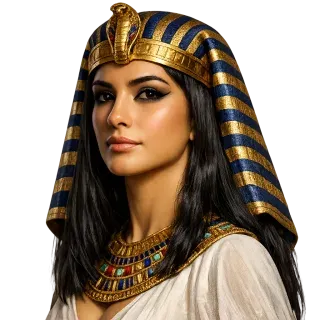
Cleopatra VII Philopator
The last pharaoh who wielded intelligence, wealth, and alliance to keep Egypt independent for two decades against the inexorable expansion of Rome.
Explore Cleopatra VII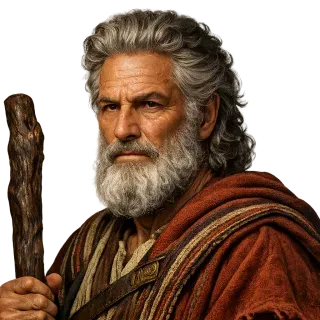
Moses
The reluctant prophet who led slaves to freedom and gave them a law to live by
Explore Moses
Nelson Mandela
The prisoner who became president and chose forgiveness over vengeance to heal a nation
Explore Mandela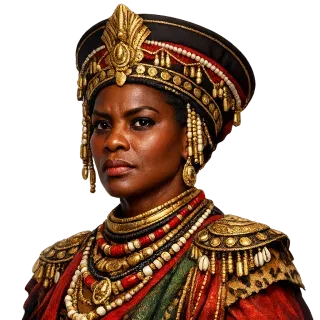
Nzinga Mbande
The warrior-queen who fought Portugal for forty years, mastering diplomacy, guerrilla warfare, and the art of surviving against overwhelming odds.
Explore Queen Nzinga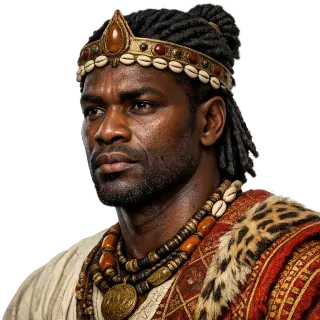
Sundiata Keita
The Lion King who rose from exile to unite the Mandé, defeat the sorcerer-tyrant Sumanguru, and found the Mali Empire on principles of justice and covenant.
Explore Sundiata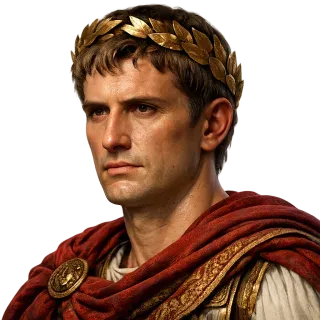
Augustus Caesar
The young heir who ended Rome's civil wars and created an empire that lasted five centuries.
Explore Augustus