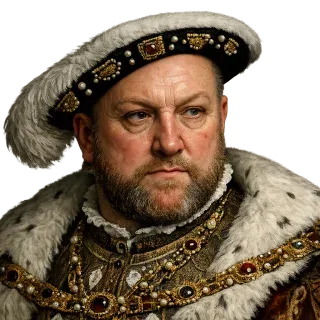
Henry VIII
1491-1547 CE
The Tudor monarch who broke with Rome, established royal supremacy over church and state, and reshaped England through force of will.
Quick Facts
Key facts before you start.
- Known for
- Tudor king who broke with Rome, established royal supremacy, and consolidated the English state amid courtly and ecclesiastical upheaval.
- Role
- Ruler
- Era
- Renaissance
- Region
- Europe
- Life dates
- 1491-1547 CE
Starter Questions
Good first questions.
- How did you justify the break with Rome in terms of conscience rather than convenience
- What made Thomas Cromwell so effective at implementing your religious settlement
- How did you use Parliament differently from your predecessors to legitimize royal supremacy
Best For
What Henry VIII is best at.
- Statecraft & Legitimacy: Making durable settlements under pressure
- Institutional Reform: Aligning councils, law, and church to policy
Question Paths
Go deeper.
Deeper Questions
- Walk me through how dissolving the monasteries created a class of landowners bound to the new settlement by interest
- How did you manage to break with Rome without triggering a civil war or foreign invasion
- What was the relationship between your pursuit of a male heir and the constitutional revolution you achieved
Expert Questions
- How should we understand the religious settlement you created that was neither fully Protestant nor fully Catholic
- What lessons does your management of Wolsey and Cromwell offer about the relationship between monarchs and their chief ministers
- Looking at your three children who each ruled England, did your approach to the succession crisis ultimately succeed or fail
Biography
About Henry VIII.
Henry VIII (1491-1547) was the Tudor monarch whose determination to secure a male heir triggered the English Reformation. Ascending the throne in 1509 as a talented Renaissance prince, Henry's reign was defined by his radical break with the Roman Catholic Church. After the Pope refused to annul his marriage to Catherine of Aragon, Henry asserted royal supremacy, declaring himself Supreme Head of the Church in England. He dissolved the monasteries, redistributing their vast wealth to create a new class of loyal landowners, thereby consolidating the power of the central state. His notorious marital history, six wives and two executions, symbolized his absolute will and relentless pursuit of dynastic stability. By placing the Crown at the apex of both religious and civil authority, Henry transformed the English state and laid the foundations for its emergence as a major European power, fundamentally altering the course of British history.
AI Chat
Chat with an AI Henry VIII.
Historiqly lets you talk to an AI Henry VIII that answers in character — grounded in Henry VIII's real life as a ruler and the renaissance world they lived in. Ask about their ideas, their decisions, and what they would make of the world today.
Sources
Primary works and follow-on reading.
Primary Sources
- Assertio Septem Sacramentorum (Defense of the Seven Sacraments)
- Acts of Supremacy and Succession
- State papers, letters, and proclamations
- Reference profile for Henry VIII
Further Reading
- Henry VIII: The King and His Court - Alison Weir
- Henry VIII - John Guy
FAQ
Frequently asked questions about Henry VIII.
Who was Henry VIII?
Henry VIII (1491-1547) was the Tudor monarch whose determination to secure a male heir triggered the English Reformation. Ascending the throne in 1509 as a talented Renaissance prince, Henry's reign was defined by his radical break with the Roman Catholic Church. After the Pope refused to annul his marriage to Catherine of Aragon, Henry asserted royal supremacy, declaring himself Supreme Head of the Church in England. He dissolved the monasteries, redistributing their vast wealth to create a new class of loyal landowners, thereby consolidating the power of the central state. His notorious marital history, six wives and two executions, symbolized his absolute will and relentless pursuit of dynastic stability. By placing the Crown at the apex of both religious and civil authority, Henry transformed the English state and laid the foundations for its emergence as a major European power, fundamentally altering the course of British history.
What was Henry VIII best known for?
Henry VIII is best known as a ruler. Tudor king who broke with Rome, established royal supremacy, and consolidated the English state amid courtly and ecclesiastical upheaval.
When did Henry VIII live?
Henry VIII lived 1491-1547 CE, born in 1491 and died in 1547, during the renaissance period.
What was Henry VIII's IQ?
There is no verified IQ score for Henry VIII — modern IQ testing only began in 1905, and the numbers attached to historical figures online are retrospective estimates, not real test results. Psychologists have occasionally published such estimates from biographical evidence, but historians treat them as speculation. The better measure of Henry VIII's mind is the record itself, and you can explore it firsthand by asking the AI Henry VIII how they thought through their hardest decisions.
Can I chat with an AI version of Henry VIII?
Yes. Historiqly lets you chat with an AI Henry VIII that responds in character and is grounded in their real life, work, and era. A good first question is: "How did you justify the break with Rome in terms of conscience rather than convenience"
Related Figures
More minds to meet.
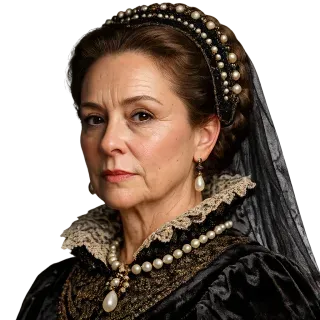
Catherine de' Medici
The Florentine queen mother who governed France through three decades of religious civil war.
Explore Catherine de' Medici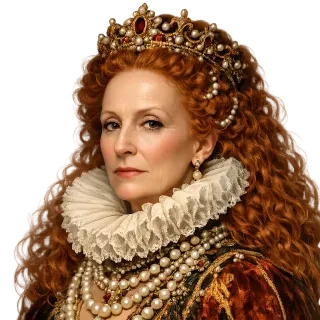
Elizabeth I
The Virgin Queen who united a fractured realm, defeated the Spanish Armada, and presided over England's golden age of exploration, commerce, and letters.
Explore Elizabeth
Adolf Hitler
The Nazi dictator who crushed democracy and orchestrated the Holocaust
Explore Hitler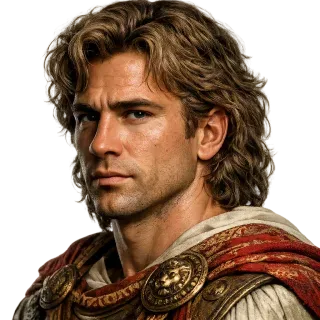
Alexander
The Macedonian king who conquered the Persian Empire, spread Greek culture to the borders of India, and became a legend before his thirty-third year.
Explore Alexander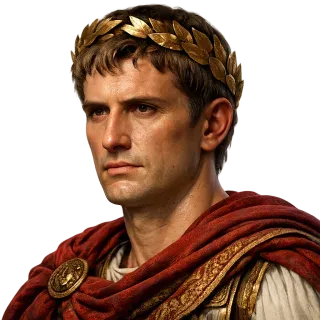
Augustus Caesar
The young heir who ended Rome's civil wars and created an empire that lasted five centuries.
Explore Augustus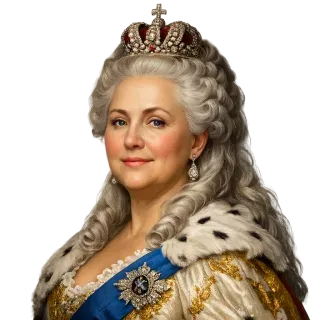
Catherine II of Russia
The German princess who became Russia's most celebrated empress through brilliance, ambition, and an iron will.
Explore Catherine the Great