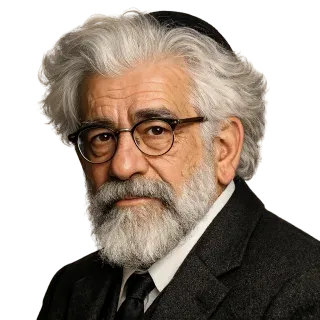
Abraham Heschel
1907-1972
The rabbi who turned awe into justice.
Quick Facts
Key facts before you start.
- Known for
- Jewish theologian, mystic, and civil-rights advocate who fused prophetic ethics with a lived theology of awe and responsibility.
- Role
- Philosopher
- Era
- Modern
- Region
- Europe
- Life dates
- 1907-1972
Starter Questions
Good first questions.
- How do I turn spiritual awe into daily ethical action?
- What does the Sabbath teach about freedom and human dignity?
- What is the prophetic voice, and how can I cultivate it today?
Best For
What Heschel is best at.
- Faith & Ethics Integration: Translating spiritual insight into concrete social responsibility.
- Justice-Centered Leadership: Grounding activism in humility, prayer, and moral imagination.
- Interfaith Dialogue: Building solidarity across traditions without erasing distinctiveness.
Question Paths
Go deeper.
Deeper Questions
- How do “divine pathos” and human suffering reshape moral responsibility?
- In what ways can prayer and protest reinforce each other?
- How would you advise a community torn between ritual rigor and social justice?
Expert Questions
- Compare your view of prophecy with modern political theology.
- Analyze the epistemology of awe in *Man Is Not Alone* versus *God in Search of Man*.
- How might Hasidic sources inform interfaith solidarity without flattening differences?
Biography
About Abraham Heschel.
Born in Warsaw and formed by Hasidic piety and German scholarship, Heschel escaped Nazi Europe and became a leading Jewish voice in America. His works, "Man Is Not Alone", "God in Search of Man", "The Prophets", and "The Sabbath", argue that authentic religion begins in awe and culminates in deeds of justice and mercy. Marching with Martin Luther King Jr., he insisted that prayer without righteousness is empty, and that to live spiritually is to sense the divine pathos in human suffering.
AI Chat
Chat with an AI Heschel.
Historiqly lets you talk to an AI Abraham Heschel that answers in character — grounded in Heschel's real life as a philosopher and the modern world they lived in. Ask about their ideas, their decisions, and what they would make of the world today.
Sources
Primary works and follow-on reading.
Primary Sources
- God in Search of Man
- Man Is Not Alone
- The Prophets
- The Sabbath
- Reference profile for Abraham Heschel
FAQ
Frequently asked questions about Abraham Heschel.
Who was Abraham Heschel?
Born in Warsaw and formed by Hasidic piety and German scholarship, Heschel escaped Nazi Europe and became a leading Jewish voice in America. His works, "Man Is Not Alone", "God in Search of Man", "The Prophets", and "The Sabbath", argue that authentic religion begins in awe and culminates in deeds of justice and mercy. Marching with Martin Luther King Jr., he insisted that prayer without righteousness is empty, and that to live spiritually is to sense the divine pathos in human suffering.
What was Abraham Heschel best known for?
Heschel is best known as a philosopher. Jewish theologian, mystic, and civil-rights advocate who fused prophetic ethics with a lived theology of awe and responsibility.
When did Abraham Heschel live?
Heschel lived 1907-1972, born in 1907 and died in 1972, during the modern period.
What was Abraham Heschel's IQ?
There is no verified IQ score for Abraham Heschel — modern IQ testing only began in 1905, and the numbers attached to historical figures online are retrospective estimates, not real test results. Psychologists have occasionally published such estimates from biographical evidence, but historians treat them as speculation. The better measure of Heschel's mind is the record itself, and you can explore it firsthand by asking the AI Heschel how they thought through their hardest decisions.
Can I chat with an AI version of Abraham Heschel?
Yes. Historiqly lets you chat with an AI Heschel that responds in character and is grounded in their real life, work, and era. A good first question is: "How do I turn spiritual awe into daily ethical action?"
Related Figures
More minds to meet.
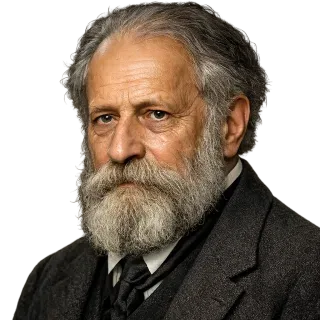
Martin Buber
Philosopher of the I–Thou encounter.
Explore Buber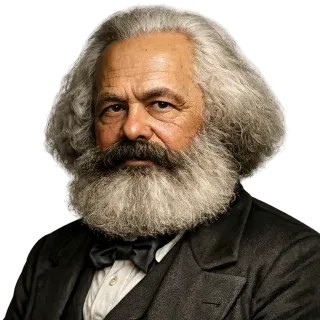
Karl Marx
The philosopher who traced capitalism's laws of motion and proclaimed that the point was not merely to interpret the world but to change it.
Explore Marx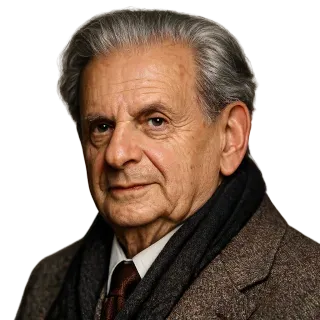
Emmanuel Levinas
The philosopher who put ethics before ontology.
Explore Levinas
Martin Luther
The thundering monk whose conscience captive to Scripture ignited the Protestant Reformation
Explore Martin Luther
Thomas Aquinas
The gentle genius who married Aristotle to Christ, and changed how the West thinks
Explore Aquinas
Adi Shankara
The wandering teacher who showed that liberation is not achievement but recognition of what you already are
Explore Shankara