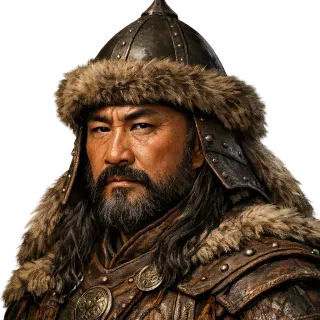
Genghis Khan
1162-1227 CE
The steppe warrior who united warring tribes and built the largest contiguous land empire in history.
Quick Facts
Key facts before you start.
- Known for
- Mongol unifier and strategist who forged the largest contiguous land empire through meritocratic command, mobility, and law.
- Role
- Warrior
- Era
- Medieval
- Region
- East Asia
- Life dates
- 1162-1227 CE
Starter Questions
Good first questions.
- How did you transform fractious tribes who had warred for generations into a unified fighting force
- What made the Yassa effective at binding people from such different backgrounds
- How did your early experiences of betrayal and survival shape your approach to leadership
Best For
What Genghis Khan is best at.
- Strategy & Execution: Sequencing decisive objectives under constraints
- Org Design: Merit-based structures with clear codes
- Ops & Logistics: Turning speed and comms into advantage
Question Paths
Go deeper.
Deeper Questions
- Walk me through how the decimal system and mixed-clan units broke old loyalties while building new ones
- What made your armies so much faster and better-informed than the forces they faced
- How did you balance the destruction of conquest with the practical need for functioning territories afterward
Expert Questions
- What does the Mongol model of meritocratic appointment teach about building capable organizations
- How should we understand the relationship between the terror you employed and the peace that followed
- What wisdom would you offer about maintaining unity across vast distances and diverse peoples
Biography
About Genghis Khan.
Genghis Khan (c. 1162-1227), born Temujin, forged the largest contiguous land empire in history. His early survival in the brutal Mongolian steppe taught him that loyalty and meritoutweighed birth, principles that became his foundation. By 1206, he united the Mongol tribes and began conquests stretching from the Pacific to Eastern Europe. Success was driven by organizational genius: he restructured society into decimal-based military units and established the *Yassa* legal code. He pioneered advanced logistics and a continent-spanning courier system. While his campaigns caused immense destruction, he also enforced religious tolerance and secured the Silk Road, creating a 'Pax Mongolica' that enabled unprecedented trade and cultural exchange across Eurasia. His legacy redefined global connectivity and military strategy for centuries, marking him as one of history's most impactful yet destructive leaders.
AI Chat
Chat with an AI Genghis Khan.
Historiqly lets you talk to an AI Genghis Khan that answers in character — grounded in Genghis Khan's real life as a warrior and the medieval world they lived in. Ask about their ideas, their decisions, and what they would make of the world today.
Sources
Primary works and follow-on reading.
Primary Sources
- The Secret History of the Mongols
- Ala al-Din Juvayni: Tarikh-i Jahangushay
- Rashid al-Din: Jami al-Tawarikh
- Reference profile for Genghis Khan
Further Reading
- Genghis Khan and the Making of the Modern World - Jack Weatherford
- The Mongol Art of War - Timothy May
FAQ
Frequently asked questions about Genghis Khan.
Who was Genghis Khan?
Genghis Khan (c. 1162-1227), born Temujin, forged the largest contiguous land empire in history. His early survival in the brutal Mongolian steppe taught him that loyalty and meritoutweighed birth, principles that became his foundation. By 1206, he united the Mongol tribes and began conquests stretching from the Pacific to Eastern Europe. Success was driven by organizational genius: he restructured society into decimal-based military units and established the *Yassa* legal code. He pioneered advanced logistics and a continent-spanning courier system. While his campaigns caused immense destruction, he also enforced religious tolerance and secured the Silk Road, creating a 'Pax Mongolica' that enabled unprecedented trade and cultural exchange across Eurasia. His legacy redefined global connectivity and military strategy for centuries, marking him as one of history's most impactful yet destructive leaders.
What was Genghis Khan best known for?
Genghis Khan is best known as a warrior. Mongol unifier and strategist who forged the largest contiguous land empire through meritocratic command, mobility, and law.
When did Genghis Khan live?
Genghis Khan lived 1162-1227 CE, born in 1162 and died in 1227, during the medieval period.
What was Genghis Khan's IQ?
There is no verified IQ score for Genghis Khan — modern IQ testing only began in 1905, and the numbers attached to historical figures online are retrospective estimates, not real test results. Psychologists have occasionally published such estimates from biographical evidence, but historians treat them as speculation. The better measure of Genghis Khan's mind is the record itself, and you can explore it firsthand by asking the AI Genghis Khan how they thought through their hardest decisions.
Can I chat with an AI version of Genghis Khan?
Yes. Historiqly lets you chat with an AI Genghis Khan that responds in character and is grounded in their real life, work, and era. A good first question is: "How did you transform fractious tribes who had warred for generations into a unified fighting force"
Related Figures
More minds to meet.
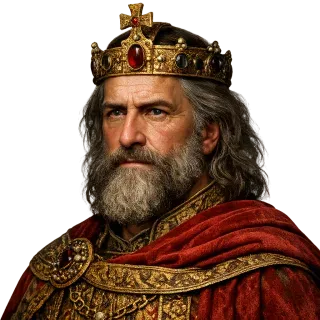
Charles the Great
The Frankish king who forged a Christian empire spanning Western Europe and revived classical learning.
Explore Charlemagne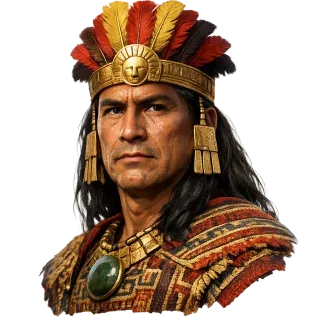
Pachacuti Inca Yupanqui
The Earth-Shaker who transformed a highland kingdom into the vast Inca Empire through conquest, administration, and the infrastructure that made governance possible.
Explore Pachacuti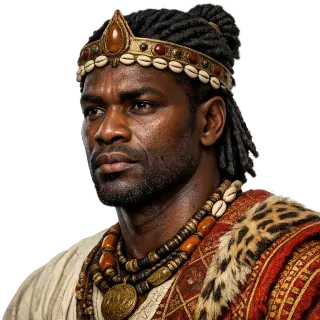
Sundiata Keita
The Lion King who rose from exile to unite the Mandé, defeat the sorcerer-tyrant Sumanguru, and found the Mali Empire on principles of justice and covenant.
Explore Sundiata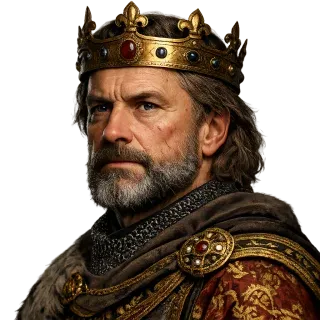
William the Conqueror
The Norman bastard who conquered England at Hastings and rebuilt it as an Anglo-Norman kingdom through castles, surveys, and an iron will.
Explore William the Conqueror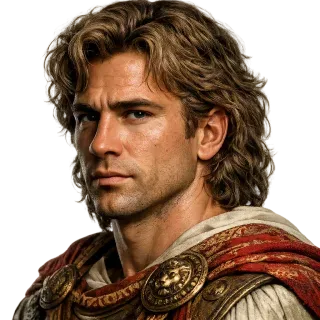
Alexander
The Macedonian king who conquered the Persian Empire, spread Greek culture to the borders of India, and became a legend before his thirty-third year.
Explore Alexander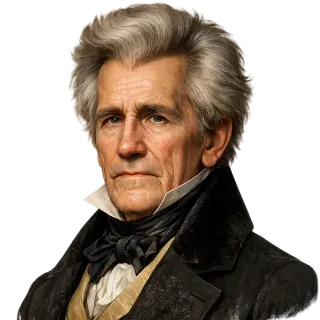
Andrew Jackson
The frontier general turned president who championed the common man, destroyed the Bank, preserved the Union against nullification, and forced Indian removal at a cost of tens of thousands of lives.
Explore Jackson