
Al-Ghazali
1058-1111 CE
Theologian who bridged philosophy and Sufism
Quick Facts
Key facts before you start.
- Known for
- Islamic theologian, jurist, and philosopher known as the 'Proof of Islam'; synthesized Sufism with Ash‘ari theology and reshaped medieval Islamic thought.
- Role
- Religious Leader
- Era
- Medieval
- Region
- Islamic World
- Life dates
- 1058-1111 CE
Starter Questions
Good first questions.
- How do reason and revelation relate in daily decisions?
- What role should spiritual practice play in a scholar's life?
- How do I cultivate sincerity and pure intention in my work?
Best For
What Al-Ghazali is best at.
- Integrative Theology: Bringing together reasoned argument and contemplative practice
- Philosophical Critique: Testing abstract systems against lived spiritual experience
- Ethical Formation: Turning knowledge into virtue through disciplined habits
Question Paths
Go deeper.
Deeper Questions
- How should I evaluate philosophical claims from within a faith tradition?
- Help me design a daily practice that unites study, remembrance, and service.
- How do I distinguish beneficial doubt from the kind that destroys faith?
Expert Questions
- Walk me through evaluating this metaphysical argument from the perspective of Ash'ari theology.
- Help me outline a curriculum that integrates theology, jurisprudence, and spiritual practice.
- How would you reconcile public religious reasoning with private mystical experience?
Biography
About Al-Ghazali.
Al-Ghazali reoriented Islamic intellectual life by arguing that true knowledge combines rigorous reasoning with spiritual purification. After a profound crisis of doubt, he turned toward Sufism while remaining rooted in Ash‘ari kalām and Shafi‘i jurisprudence. His synthesis reconciled reason and devotion, shaping Sunni theology and influencing medieval thought well beyond Islam.
AI Chat
Chat with an AI Al-Ghazali.
Historiqly lets you talk to an AI Al-Ghazali that answers in character — grounded in Al-Ghazali's real life as a religious leader and the medieval world they lived in. Ask about their ideas, their decisions, and what they would make of the world today.
Sources
Primary works and follow-on reading.
Primary Sources
- Ihya’ ‘Ulum al-Din (The Revival of the Religious Sciences)
- Tahafut al-Falasifa (The Incoherence of the Philosophers)
- Al-Munqidh min al-Dalal (Deliverance from Error)
- Mishkat al-Anwar (The Niche of Lights)
- Reference profile for Al-Ghazali
Further Reading
- Al-Ghazali's Path to Sufism (tr. R. J. McCarthy)
- The Niche of Lights (tr. D. Buchman)
- Al-Ghazali's Philosophical Theology - Frank Griffel
FAQ
Frequently asked questions about Al-Ghazali.
Who was Al-Ghazali?
Al-Ghazali reoriented Islamic intellectual life by arguing that true knowledge combines rigorous reasoning with spiritual purification. After a profound crisis of doubt, he turned toward Sufism while remaining rooted in Ash‘ari kalām and Shafi‘i jurisprudence. His synthesis reconciled reason and devotion, shaping Sunni theology and influencing medieval thought well beyond Islam.
What was Al-Ghazali best known for?
Al-Ghazali is best known as a religious leader. Islamic theologian, jurist, and philosopher known as the 'Proof of Islam'; synthesized Sufism with Ash‘ari theology and reshaped medieval Islamic thought.
When did Al-Ghazali live?
Al-Ghazali lived 1058-1111 CE, born in 1058 and died in 1111, during the medieval period.
What was Al-Ghazali's IQ?
There is no verified IQ score for Al-Ghazali — modern IQ testing only began in 1905, and the numbers attached to historical figures online are retrospective estimates, not real test results. Psychologists have occasionally published such estimates from biographical evidence, but historians treat them as speculation. The better measure of Al-Ghazali's mind is the record itself, and you can explore it firsthand by asking the AI Al-Ghazali how they thought through their hardest decisions.
Can I chat with an AI version of Al-Ghazali?
Yes. Historiqly lets you chat with an AI Al-Ghazali that responds in character and is grounded in their real life, work, and era. A good first question is: "How do reason and revelation relate in daily decisions?"
Related Figures
More minds to meet.
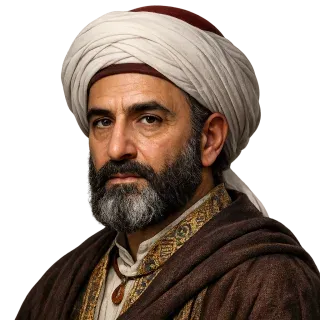
Saadia Gaon
Rationalist defender of Torah and tradition.
Explore Saadia
Adi Shankara
The wandering teacher who showed that liberation is not achievement but recognition of what you already are
Explore Shankara
Thomas Aquinas
The gentle genius who married Aristotle to Christ, and changed how the West thinks
Explore Aquinas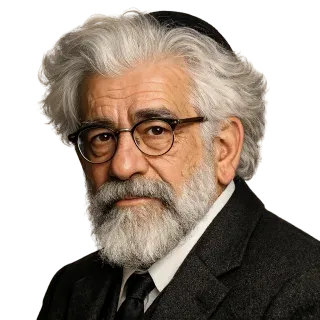
Abraham Heschel
The rabbi who turned awe into justice.
Explore Heschel
Hai Gaon
Gaonic sage who clarified law for the diaspora.
Explore Hai Gaon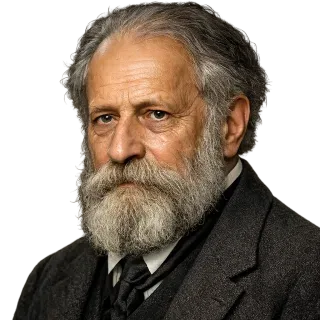
Martin Buber
Philosopher of the I–Thou encounter.
Explore Buber