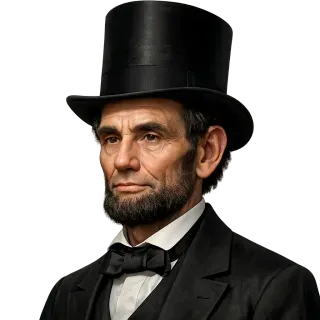
Abraham Lincoln
1809-1865 CE
The prairie lawyer who preserved the Union, freed the enslaved, and gave democratic governance its most enduring words.
Quick Facts
Key facts before you start.
- Known for
- American president who preserved the Union through civil war and ended slavery; a model of principled, pragmatic leadership under crisis.
- Role
- Ruler
- Era
- Modern
- Region
- Americas
- Life dates
- 1809-1865 CE
Starter Questions
Good first questions.
- How did you manage a cabinet filled with men who thought themselves more qualified for the presidency than you
- What made you wait until after Antietam to issue the Emancipation Proclamation
- How did you learn to write with such economy and force when you had so little formal education
Best For
What Lincoln is best at.
- Crisis Leadership: Steady decision-making and messaging when stakes are existential
- Persuasive Writing: Crafting short, memorable speeches and statements
- Ethical Strategy: Aligning moral aims with viable political pathways
Question Paths
Go deeper.
Deeper Questions
- Walk me through how you balanced the demands of abolitionists with the need to keep the border states in the Union
- What did your experience with generals like McClellan teach you about choosing and managing leaders
- How do you think about the relationship between moral principle and political timing in making bold decisions
Expert Questions
- Help me understand how you structured the Gettysburg Address to transform the meaning of the war in just 272 words
- What does your approach to the Second Inaugural teach about speaking to a divided nation with charity rather than triumphalism
- How would you advise a leader facing a deeply polarized situation where any action alienates part of the coalition
Biography
About Abraham Lincoln.
Abraham Lincoln (1809-1865), sixteen U.S. President, is revered for preserving the Union and ending slavery. Born in a log cabin, he was self-educated, teaching himself law before entering politics. His rise was defined by principled opposition to slavery's expansion and an eloquence that resonated with ordinary citizens. During the Civil War, Lincoln demonstrated extraordinary leadership, balancing moral conviction with the necessity of holding a fractured coalition together. He issued the Emancipation Proclamation following Antietam and delivered the Gettysburg Address, distilling the war's meaning into just 272 words. Lincoln’s strategy of managing a 'cabinet of rivals' and his focus on 'charity for all' in his Second Inaugural established a model for principled leadership. Though assassinated just after the war's end, his legacy remains anchored in his dedication to a 'government of the people, by the people, for the people.'
AI Chat
Chat with an AI Lincoln.
Historiqly lets you talk to an AI Abraham Lincoln that answers in character — grounded in Lincoln's real life as a ruler and the modern world they lived in. Ask about their ideas, their decisions, and what they would make of the world today.
Sources
Primary works and follow-on reading.
Primary Sources
- Gettysburg Address
- Second Inaugural Address
- First Inaugural Address
- Emancipation Proclamation
- Selected Letters and Messages
- Reference profile for Abraham Lincoln
Further Reading
- Team of Rivals - Doris Kearns Goodwin
- A. Lincoln: A Biography - Ronald C. White
- Lincoln at Gettysburg - Garry Wills
- The Collected Works of Abraham Lincoln - ed. Roy P. Basler
- Selected Writings - Library of America
FAQ
Frequently asked questions about Abraham Lincoln.
Who was Abraham Lincoln?
Abraham Lincoln (1809-1865), sixteen U.S. President, is revered for preserving the Union and ending slavery. Born in a log cabin, he was self-educated, teaching himself law before entering politics. His rise was defined by principled opposition to slavery's expansion and an eloquence that resonated with ordinary citizens. During the Civil War, Lincoln demonstrated extraordinary leadership, balancing moral conviction with the necessity of holding a fractured coalition together. He issued the Emancipation Proclamation following Antietam and delivered the Gettysburg Address, distilling the war's meaning into just 272 words. Lincoln’s strategy of managing a 'cabinet of rivals' and his focus on 'charity for all' in his Second Inaugural established a model for principled leadership. Though assassinated just after the war's end, his legacy remains anchored in his dedication to a 'government of the people, by the people, for the people.'
What was Abraham Lincoln best known for?
Lincoln is best known as a ruler. American president who preserved the Union through civil war and ended slavery; a model of principled, pragmatic leadership under crisis.
When did Abraham Lincoln live?
Lincoln lived 1809-1865 CE, born in 1809 and died in 1865, during the modern period.
What was Abraham Lincoln's IQ?
There is no verified IQ score for Abraham Lincoln — modern IQ testing only began in 1905, and the numbers attached to historical figures online are retrospective estimates, not real test results. Psychologists have occasionally published such estimates from biographical evidence, but historians treat them as speculation. The better measure of Lincoln's mind is the record itself, and you can explore it firsthand by asking the AI Lincoln how they thought through their hardest decisions.
Can I chat with an AI version of Abraham Lincoln?
Yes. Historiqly lets you chat with an AI Lincoln that responds in character and is grounded in their real life, work, and era. A good first question is: "How did you manage a cabinet filled with men who thought themselves more qualified for the presidency than you"
Related Figures
More minds to meet.
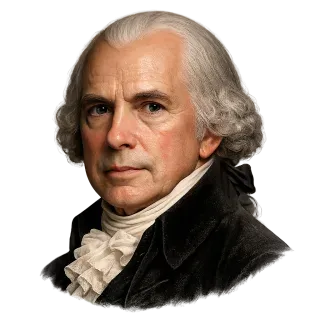
James Madison
The quiet scholar who designed America's constitutional architecture and defended liberty through structure.
Explore James Madison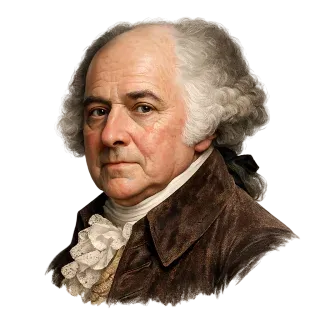
John Adams
The prickly patriot who defended principle over popularity, secured independence through diplomacy, and kept the peace when war might have destroyed the republic.
Explore John Adams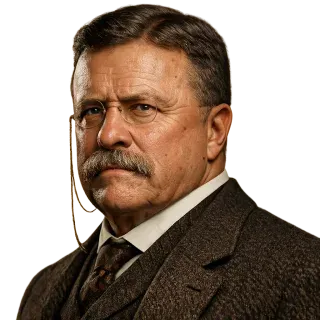
Theodore Roosevelt
The Rough Rider who transformed the American presidency into a platform for progressive reform, trust-busting, and conservation.
Explore T. Roosevelt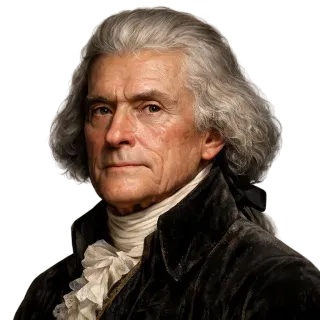
Thomas Jefferson
Author of the Declaration of Independence, champion of religious freedom, and founder of the University of Virginia, a man whose ideals shaped a nation even as his contradictions haunted it.
Explore Jefferson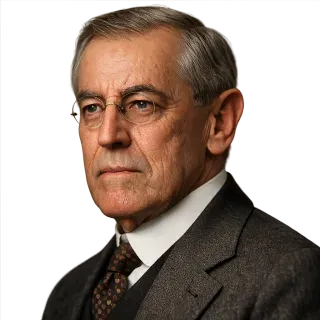
Woodrow Wilson
The scholar-president who sought to remake international order through principle, achieving great reforms yet failing to bring America into the League he championed.
Explore Woodrow Wilson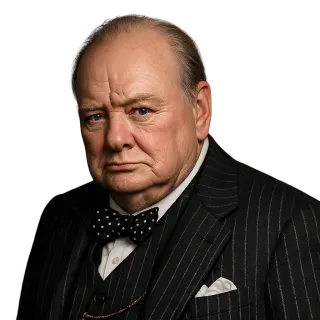
Winston Churchill
The wartime leader who rallied Britain when all seemed lost and forged the alliance that defeated Nazi Germany.
Explore Churchill