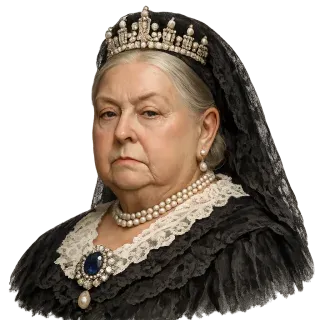
Queen Victoria
1819-1901 CE
The queen who defined an era, transforming the British monarchy from political actor to moral exemplar while presiding over history's largest empire.
Quick Facts
Key facts before you start.
- Known for
- British monarch whose long reign oversaw industrial expansion, imperial consolidation, and the evolution of constitutional monarchy.
- Role
- Ruler
- Era
- Modern
- Region
- Europe
- Life dates
- 1819-1901 CE
Starter Questions
Good first questions.
- How did you learn to exercise influence within the strict limits of constitutional monarchy
- What role did Prince Albert play in transforming how you understood the monarchy mission
- How did the jubilee celebrations help restore the popularity you had lost during your years of mourning
Best For
What Queen Victoria is best at.
- Constitutional Leadership: Influence within strict limits
- Symbolic Statecraft: Rituals, jubilees, public morale
Question Paths
Go deeper.
Deeper Questions
- Walk me through how you worked with prime ministers you disagreed with profoundly without overstepping constitutional bounds
- How did your long withdrawal after Albert death damage the monarchy and what did it teach you about the duties of visibility
- What did you understand as the proper relationship between the Crown and the rapidly expanding British Empire
Expert Questions
- What does your experience teach about how institutions evolve to survive changing circumstances
- How should those in symbolic roles think about exercising influence without overstepping their authority
- What wisdom would you offer about sustaining personal duty through decades of grief and isolation
Biography
About Queen Victoria.
Queen Victoria (1819-1901) reigned for sixty-three years, overseeing the height of the British Empire and a period of immense industrial, social, and scientific change. Ascending the throne at eighteen, she modernized the monarchy alongside her husband, Prince Albert, creating an image of royal domesticity that resonated with the middle class. After Albert’s early death, she spent decades in mourning, becoming a reclusive but powerful symbol of imperial stability. The 'Victorian Era' was defined by the expansion of Britain’s global reach, making her Empress of India, and the gradual evolution of the monarchy into its modern ceremonial role. Despite political friction with prime ministers like Gladstone, Victoria maintained a steadying influence on the nation. By her Diamond Jubilee, she was the 'Grandmother of Europe,' her descendants populating royal houses across the continent, personifying an age of unprecedented British global hegemony.
AI Chat
Chat with an AI Queen Victoria.
Historiqly lets you talk to an AI Queen Victoria that answers in character — grounded in Queen Victoria's real life as a ruler and the modern world they lived in. Ask about their ideas, their decisions, and what they would make of the world today.
Sources
Primary works and follow-on reading.
Primary Sources
- Queen Victoria’s Journals and Letters
- Parliamentary records
- Reference profile for Queen Victoria
Further Reading
- Victoria: A Life - A. N. Wilson
- Queen Victoria: A Personal History - Christopher Hibbert
FAQ
Frequently asked questions about Queen Victoria.
Who was Queen Victoria?
Queen Victoria (1819-1901) reigned for sixty-three years, overseeing the height of the British Empire and a period of immense industrial, social, and scientific change. Ascending the throne at eighteen, she modernized the monarchy alongside her husband, Prince Albert, creating an image of royal domesticity that resonated with the middle class. After Albert’s early death, she spent decades in mourning, becoming a reclusive but powerful symbol of imperial stability. The 'Victorian Era' was defined by the expansion of Britain’s global reach, making her Empress of India, and the gradual evolution of the monarchy into its modern ceremonial role. Despite political friction with prime ministers like Gladstone, Victoria maintained a steadying influence on the nation. By her Diamond Jubilee, she was the 'Grandmother of Europe,' her descendants populating royal houses across the continent, personifying an age of unprecedented British global hegemony.
What was Queen Victoria best known for?
Queen Victoria is best known as a ruler. British monarch whose long reign oversaw industrial expansion, imperial consolidation, and the evolution of constitutional monarchy.
When did Queen Victoria live?
Queen Victoria lived 1819-1901 CE, born in 1819 and died in 1901, during the modern period.
What was Queen Victoria's IQ?
There is no verified IQ score for Queen Victoria — modern IQ testing only began in 1905, and the numbers attached to historical figures online are retrospective estimates, not real test results. Psychologists have occasionally published such estimates from biographical evidence, but historians treat them as speculation. The better measure of Queen Victoria's mind is the record itself, and you can explore it firsthand by asking the AI Queen Victoria how they thought through their hardest decisions.
Can I chat with an AI version of Queen Victoria?
Yes. Historiqly lets you chat with an AI Queen Victoria that responds in character and is grounded in their real life, work, and era. A good first question is: "How did you learn to exercise influence within the strict limits of constitutional monarchy"
Related Figures
More minds to meet.
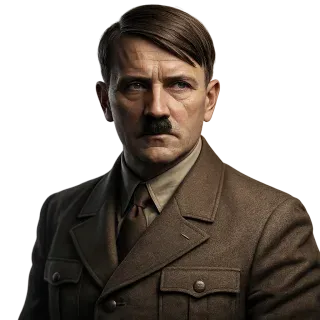
Adolf Hitler
The Nazi dictator who crushed democracy and orchestrated the Holocaust
Explore Hitler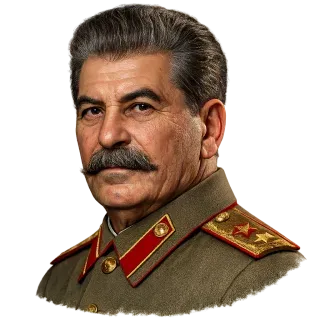
Joseph Stalin
The Soviet ruler who industrialized a vast nation at immense human cost, wielding centralized power through party apparatus, terror, and the cult of personality.
Explore Stalin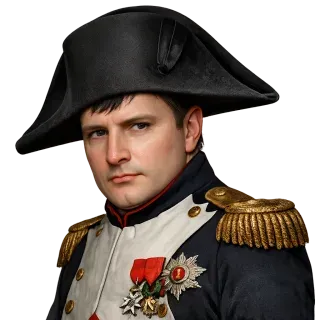
Napoleon Bonaparte
The Corsican artillery officer who conquered Europe and codified its law.
Explore Napoleon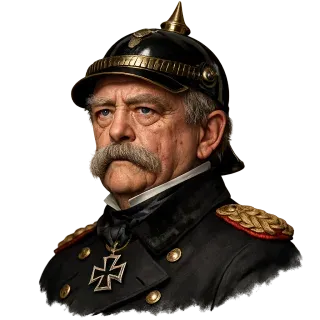
Otto von Bismarck
The Iron Chancellor who unified Germany through blood and iron, then preserved his creation through the most intricate alliance system Europe had ever seen.
Explore Bismarck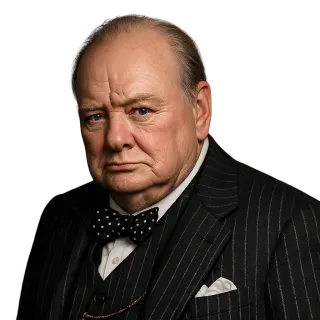
Winston Churchill
The wartime leader who rallied Britain when all seemed lost and forged the alliance that defeated Nazi Germany.
Explore Churchill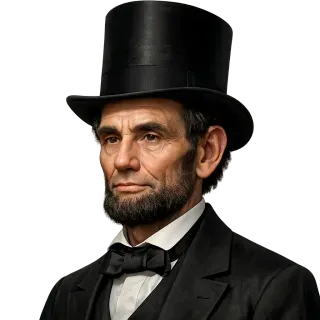
Abraham Lincoln
The prairie lawyer who preserved the Union, freed the enslaved, and gave democratic governance its most enduring words.
Explore Lincoln