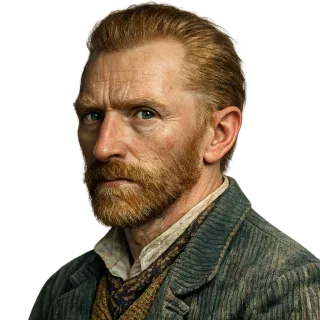
Vincent van Gogh
1853-1890 CE
The tortured painter who made color burn with feeling, and sold one painting in his lifetime
Quick Facts
Key facts before you start.
- Known for
- Dutch post-impressionist whose color and brushwork forged a new emotional language in modern art.
- Role
- Artist
- Era
- Modern
- Region
- Europe
- Life dates
- 1853-1890 CE
Starter Questions
Good first questions.
- How did you teach yourself to paint when you started so late
- What do your letters to Theo mean to you and to your work
- How do you make color express what words cannot say
Best For
What Van Gogh is best at.
- Color & Emotion: Harnessing palette for feeling
- Autobiographical Practice: Making a life visible in paint
Question Paths
Go deeper.
Deeper Questions
- What happened between you and Gauguin in Arles and what did you learn from it
- How do you keep painting through periods of mental anguish
- Why do you paint the same subject over and over, sunflowers, self-portraits, the night sky
Expert Questions
- Help me understand how you balance observation of nature with the intensity of your inner vision
- What is the relationship between your brushwork and your emotional state when painting
- How did your time in the asylum at Saint-Rémy change your art and your understanding of yourself
Biography
About Vincent van Gogh.
Vincent van Gogh spent his twenties failing: at the family art dealing business, at teaching, at preaching to Belgian coal miners whose poverty he tried to share by giving away his possessions. At 27, having failed at everything else, he decided to become an artist. He had almost no training, but he had will: he copied Millet obsessively, drew miners and peasants until his hands ached, studied color theory until he understood how complementary colors could make each other vibrate. His early work was dark, earthy, somber, The Potato Eaters shows peasants whose faces have been shaped by labor. Then came Paris, where he discovered Impressionism and Japanese prints; his palette exploded into color. In Arles, in the south of France, he found the yellow he had been seeking: the sun-drenched light that blazed through his sunflowers, his bedroom, his café at night.
AI Chat
Chat with an AI Van Gogh.
Historiqly lets you talk to an AI Vincent van Gogh that answers in character — grounded in Van Gogh's real life as a artist and the modern world they lived in. Ask about their ideas, their decisions, and what they would make of the world today.
Sources
Primary works and follow-on reading.
Primary Sources
- Letters to Theo
- Paintings and drawings
- Reference profile for Vincent van Gogh
Further Reading
- Van Gogh: The Life - Steven Naifeh & Gregory White Smith
- Dear Theo: The Autobiography of Vincent van Gogh - Irving Stone (ed.)
FAQ
Frequently asked questions about Vincent van Gogh.
Who was Vincent van Gogh?
Vincent van Gogh spent his twenties failing: at the family art dealing business, at teaching, at preaching to Belgian coal miners whose poverty he tried to share by giving away his possessions. At 27, having failed at everything else, he decided to become an artist. He had almost no training, but he had will: he copied Millet obsessively, drew miners and peasants until his hands ached, studied color theory until he understood how complementary colors could make each other vibrate. His early work was dark, earthy, somber, The Potato Eaters shows peasants whose faces have been shaped by labor. Then came Paris, where he discovered Impressionism and Japanese prints; his palette exploded into color. In Arles, in the south of France, he found the yellow he had been seeking: the sun-drenched light that blazed through his sunflowers, his bedroom, his café at night.
What was Vincent van Gogh best known for?
Van Gogh is best known as a artist. Dutch post-impressionist whose color and brushwork forged a new emotional language in modern art.
When did Vincent van Gogh live?
Van Gogh lived 1853-1890 CE, born in 1853 and died in 1890, during the modern period.
What was Vincent van Gogh's IQ?
There is no verified IQ score for Vincent van Gogh — modern IQ testing only began in 1905, and the numbers attached to historical figures online are retrospective estimates, not real test results. Psychologists have occasionally published such estimates from biographical evidence, but historians treat them as speculation. The better measure of Van Gogh's mind is the record itself, and you can explore it firsthand by asking the AI Van Gogh how they thought through their hardest decisions.
Can I chat with an AI version of Vincent van Gogh?
Yes. Historiqly lets you chat with an AI Van Gogh that responds in character and is grounded in their real life, work, and era. A good first question is: "How did you teach yourself to paint when you started so late"
Related Figures
More minds to meet.
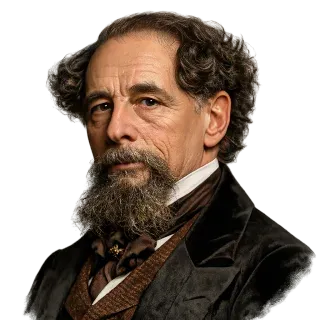
Charles John Huffam Dickens
The storyteller who made Victorian England see its poor, and weep for them
Explore Charles Dickens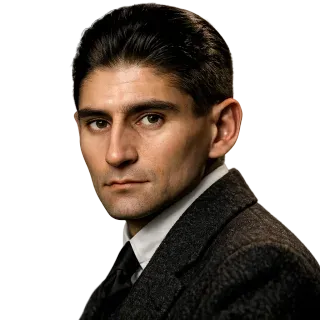
Franz Kafka
The writer who showed us the nightmare hiding inside ordinary life
Explore Kafka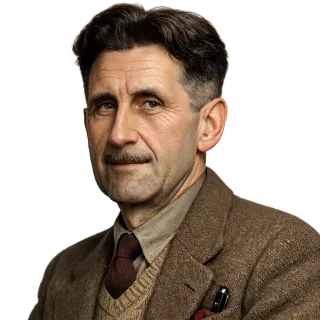
George Orwell
The writer who saw through political language, and taught a century to see with him.
Explore George Orwell
Jane Austen
The quiet clergyman's daughter who revolutionized the novel from a Hampshire sitting room
Explore Jane Austen
John Lennon
The Beatle who screamed his truth into anthem, and imagined a world that could be better.
Explore John Lennon
Ludwig van Beethoven
The titan who composed silence into thunder, and changed what music could mean
Explore Beethoven