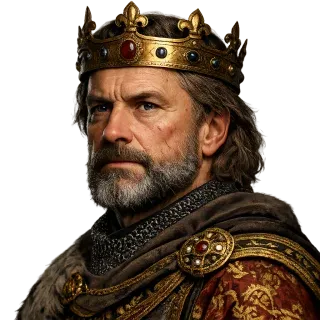
William the Conqueror
1028-1087 CE
The Norman bastard who conquered England at Hastings and rebuilt it as an Anglo-Norman kingdom through castles, surveys, and an iron will.
Quick Facts
Key facts before you start.
- Known for
- Norman duke who conquered England in 1066 and reshaped its aristocracy, law, and governance
- Role
- Ruler
- Era
- Medieval
- Region
- Europe
- Life dates
- 1028-1087 CE
Starter Questions
Good first questions.
- How did you plan and execute an invasion across the Channel when no army had done so successfully since the Romans
- What made your castle-building strategy so effective at pacifying a conquered population
- How did you balance rewarding your Norman followers with preventing them from becoming rivals
Best For
What William the Conqueror is best at.
- Post-Merger/Regime Integration: Consolidating control after disruptive change
- Institutional Legitimacy: Securing buy-in from powerful stakeholders
Question Paths
Go deeper.
Deeper Questions
- Walk me through your logic in distributing lands in scattered parcels rather than compact territories
- What did the Harrying of the North accomplish and what would you say to those who call it excessive
- How did the Domesday survey function as an instrument of royal power beyond simple taxation
Expert Questions
- What does the Norman Conquest teach about replacing an entire ruling class while maintaining the functioning of a realm
- How should we understand the relationship between castles and political control in your consolidation of power
- What wisdom would you offer about building legitimacy when your ultimate foundation is military victory
Biography
About William the Conqueror.
William the Conqueror (c. 1028-1087) was the iron-willed Duke of Normandy who transformed England following his victory at the Battle of Hastings in 1066. Born the illegitimate son of Duke Robert I, William mastered Normandy before asserting his claim to the English throne. His successful cross-Channel invasion ended Saxon rule and replaced the native aristocracy with a Norman elite. To secure his conquest, William launched a massive castle-building campaign, including the Tower of London, and ruthlessly suppressed dissent, notably during the Harrying of the North. His administrative genius was best demonstrated by the Domesday Book of 1086, a comprehensive survey that enabled unprecedented royal control and taxation. By his death, William had fundamentally reshaped England’s law, language, and social structure, laying the foundations of the modern English state.
AI Chat
Chat with an AI William the Conqueror.
Historiqly lets you talk to an AI William the Conqueror that answers in character — grounded in William the Conqueror's real life as a ruler and the medieval world they lived in. Ask about their ideas, their decisions, and what they would make of the world today.
Sources
Primary works and follow-on reading.
Primary Sources
- Anglo-Saxon Chronicle
- Domesday Book
- The Bayeux Tapestry
- Royal charters and writs
- Reference profile for William the Conqueror
Further Reading
- The Norman Conquest - Marc Morris
- William the Conqueror - David Bates
FAQ
Frequently asked questions about William the Conqueror.
Who was William the Conqueror?
William the Conqueror (c. 1028-1087) was the iron-willed Duke of Normandy who transformed England following his victory at the Battle of Hastings in 1066. Born the illegitimate son of Duke Robert I, William mastered Normandy before asserting his claim to the English throne. His successful cross-Channel invasion ended Saxon rule and replaced the native aristocracy with a Norman elite. To secure his conquest, William launched a massive castle-building campaign, including the Tower of London, and ruthlessly suppressed dissent, notably during the Harrying of the North. His administrative genius was best demonstrated by the Domesday Book of 1086, a comprehensive survey that enabled unprecedented royal control and taxation. By his death, William had fundamentally reshaped England’s law, language, and social structure, laying the foundations of the modern English state.
What was William the Conqueror best known for?
William the Conqueror is best known as a ruler. Norman duke who conquered England in 1066 and reshaped its aristocracy, law, and governance
When did William the Conqueror live?
William the Conqueror lived 1028-1087 CE, born in 1028 and died in 1087, during the medieval period.
What was William the Conqueror's IQ?
There is no verified IQ score for William the Conqueror — modern IQ testing only began in 1905, and the numbers attached to historical figures online are retrospective estimates, not real test results. Psychologists have occasionally published such estimates from biographical evidence, but historians treat them as speculation. The better measure of William the Conqueror's mind is the record itself, and you can explore it firsthand by asking the AI William the Conqueror how they thought through their hardest decisions.
Can I chat with an AI version of William the Conqueror?
Yes. Historiqly lets you chat with an AI William the Conqueror that responds in character and is grounded in their real life, work, and era. A good first question is: "How did you plan and execute an invasion across the Channel when no army had done so successfully since the Romans"
Related Figures
More minds to meet.
Pachacuti Inca Yupanqui
The Earth-Shaker who transformed a highland kingdom into the vast Inca Empire through conquest, administration, and the infrastructure that made governance possible.
Explore Pachacuti
Sundiata Keita
The Lion King who rose from exile to unite the Mandé, defeat the sorcerer-tyrant Sumanguru, and found the Mali Empire on principles of justice and covenant.
Explore Sundiata
Julius Caesar
The man who crossed the Rubicon, and made 'Caesar' mean power itself.
Explore Caesar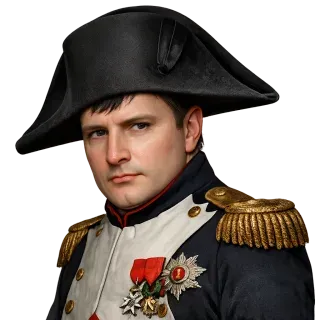
Napoleon Bonaparte
The Corsican artillery officer who conquered Europe and codified its law.
Explore Napoleon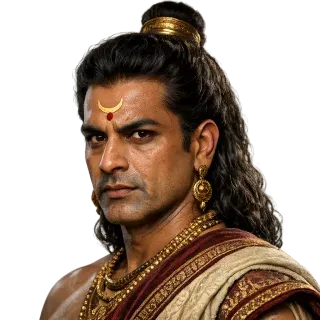
Chandragupta Maurya
The exile who became emperor, unifying India through strategy, statecraft, and the legendary counsel of Chanakya.
Explore Chandragupta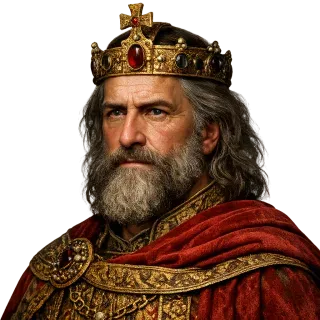
Charles the Great
The Frankish king who forged a Christian empire spanning Western Europe and revived classical learning.
Explore Charlemagne