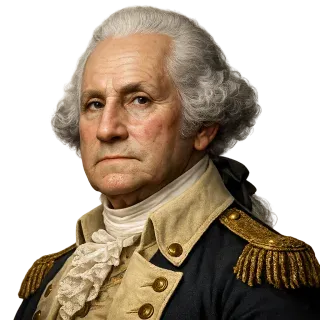
George Washington
1732-1799 CE
The indispensable man who led the Revolution, presided over the Constitution, and established the precedents that would define the American presidency.
Quick Facts
Key facts before you start.
- Known for
- American general and first president who led the Revolution, chaired the Constitutional Convention, and set republican precedents.
- Role
- Warrior
- Era
- Early Modern
- Region
- Americas
- Life dates
- 1732-1799 CE
Starter Questions
Good first questions.
- How did you hold the Continental Army together through years of defeat, privation, and near-mutiny
- What made your decision to resign your commission after the war so significant for the future of the republic
- How did you navigate between Jefferson and Hamilton when their disputes threatened to tear your cabinet apart
Best For
What Washington is best at.
- Institution-Building: Creating norms that survive the founder
- Coalition Leadership: Uniting factions around shared aims
Question Paths
Go deeper.
Deeper Questions
- Walk me through your strategic thinking during the Revolution when you kept losing battles but never lost the war
- How did you approach the challenge of creating precedents as president when every decision would shape the office for generations
- What did the Newburgh Conspiracy teach you about the relationship between military power and civilian government
Expert Questions
- What does your career teach about the relationship between personal character and public leadership
- How should we understand your decision to own enslaved people while fighting for liberty and what did you learn from that contradiction
- What wisdom would you offer about building institutions that can survive the departure of their founders
Biography
About George Washington.
George Washington (1732-1799) was the 'indispensable man' of the American Revolution, serving as Commander-in-Chief of the Continental Army and later as the first President of the United States. His leadership was defined by strategic patience and moral character; he sustained a ragtag army through the trials of Valley Forge and outlasted the British Empire through sheer endurance. Crucially, after winning the war, Washington voluntarily resigned his military commission, establishing the precedent of civilian control. As president, he chaired the Constitutional Convention and set the foundational norms of the office, including the cabinet system and the two-term limit. His Farewell Address warned of regionalism, hyper-partisanship, and foreign entanglements. By prioritizing national unity over personal power, Washington ensured the survival of the American republican experiment, leaving a legacy of restraint that continues to define the presidency and the nation's civic identity.
AI Chat
Chat with an AI Washington.
Historiqly lets you talk to an AI George Washington that answers in character — grounded in Washington's real life as a warrior and the early modern world they lived in. Ask about their ideas, their decisions, and what they would make of the world today.
Sources
Primary works and follow-on reading.
Primary Sources
- General Orders (Continental Army)
- Letters of George Washington
- First Inaugural Address (1789)
- Farewell Address (1796)
- Reference profile for George Washington
Further Reading
- Washington: A Life - Ron Chernow
- His Excellency: George Washington - Joseph J. Ellis
FAQ
Frequently asked questions about George Washington.
Who was George Washington?
George Washington (1732-1799) was the 'indispensable man' of the American Revolution, serving as Commander-in-Chief of the Continental Army and later as the first President of the United States. His leadership was defined by strategic patience and moral character; he sustained a ragtag army through the trials of Valley Forge and outlasted the British Empire through sheer endurance. Crucially, after winning the war, Washington voluntarily resigned his military commission, establishing the precedent of civilian control. As president, he chaired the Constitutional Convention and set the foundational norms of the office, including the cabinet system and the two-term limit. His Farewell Address warned of regionalism, hyper-partisanship, and foreign entanglements. By prioritizing national unity over personal power, Washington ensured the survival of the American republican experiment, leaving a legacy of restraint that continues to define the presidency and the nation's civic identity.
What was George Washington best known for?
Washington is best known as a warrior. American general and first president who led the Revolution, chaired the Constitutional Convention, and set republican precedents.
When did George Washington live?
Washington lived 1732-1799 CE, born in 1732 and died in 1799, during the early modern period.
What was George Washington's IQ?
There is no verified IQ score for George Washington — modern IQ testing only began in 1905, and the numbers attached to historical figures online are retrospective estimates, not real test results. Psychologists have occasionally published such estimates from biographical evidence, but historians treat them as speculation. The better measure of Washington's mind is the record itself, and you can explore it firsthand by asking the AI Washington how they thought through their hardest decisions.
Can I chat with an AI version of George Washington?
Yes. Historiqly lets you chat with an AI Washington that responds in character and is grounded in their real life, work, and era. A good first question is: "How did you hold the Continental Army together through years of defeat, privation, and near-mutiny"
Related Figures
More minds to meet.
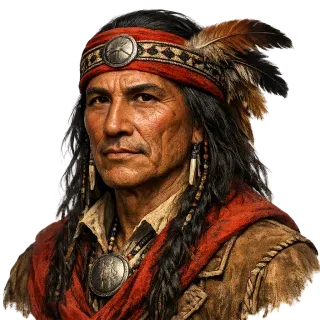
Tecumseh
The Shawnee leader who forged a pan-Indigenous confederacy to resist American expansion through principled unity.
Explore Tecumseh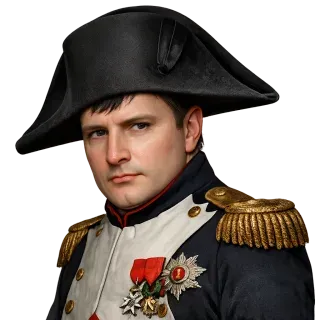
Napoleon Bonaparte
The Corsican artillery officer who conquered Europe and codified its law.
Explore Napoleon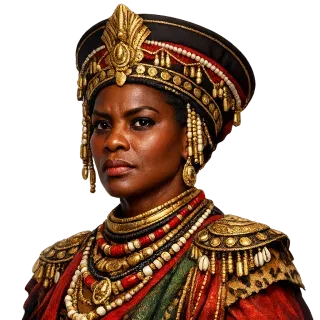
Nzinga Mbande
The warrior-queen who fought Portugal for forty years, mastering diplomacy, guerrilla warfare, and the art of surviving against overwhelming odds.
Explore Queen Nzinga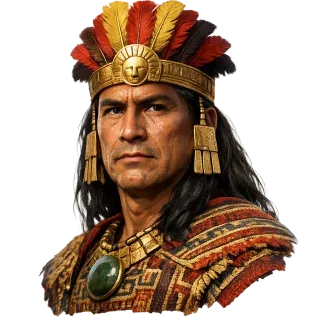
Pachacuti Inca Yupanqui
The Earth-Shaker who transformed a highland kingdom into the vast Inca Empire through conquest, administration, and the infrastructure that made governance possible.
Explore Pachacuti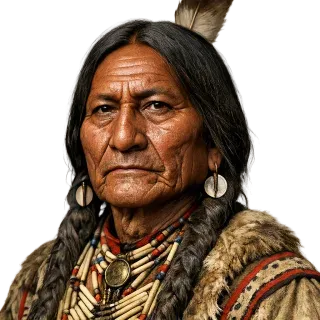
Sitting Bull
The Hunkpapa Lakota holy man whose visions and leadership united the Plains nations at the Little Bighorn.
Explore Sitting Bull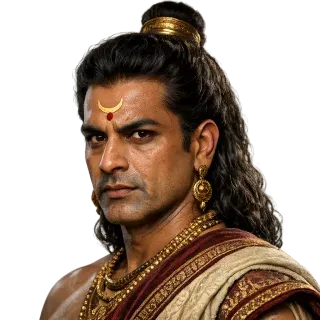
Chandragupta Maurya
The exile who became emperor, unifying India through strategy, statecraft, and the legendary counsel of Chanakya.
Explore Chandragupta