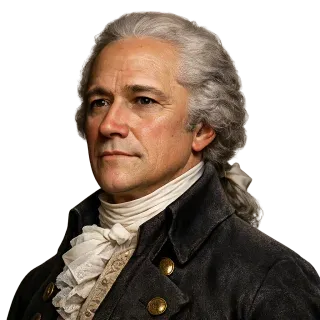
Alexander Hamilton
1755-1804 CE
The orphan from the Caribbean who built America's financial architecture and fought for energetic federal governance.
Quick Facts
Key facts before you start.
- Known for
- First U.S. Secretary of the Treasury who established the young republic’s credit, designed its financial architecture, and co-authored The Federalist Papers.
- Role
- Diplomat
- Era
- Early Modern
- Region
- Americas
- Life dates
- 1755-1804 CE
Starter Questions
Good first questions.
- How did you establish credibility for a new nation that had no credit history and massive debts
- Why did you argue that a national debt could actually be a national blessing if properly managed
- What made your approach to taxation different from the British system that sparked the Revolution
Best For
What Hamilton is best at.
- Institution Building: Crafting durable structures, finance, revenue, and administration, for new or scaling organizations
- Credibility & Governance: Establishing trust through transparent rules, enforcement, and clear incentives
- Economic Strategy: Designing policies that attract capital, diversify industry, and accelerate growth
Question Paths
Go deeper.
Deeper Questions
- Walk me through how assumption of state debts was designed to bind the states to the federal government
- How did you structure the First Bank of the United States to balance public purpose with private capital
- What lessons from your experience with the mint and customs service apply to building institutions today
Expert Questions
- How would you design a modern financial architecture for a developing nation seeking international credibility
- What principles from your Report on Manufactures should guide industrial policy in an era of global competition
- How should we understand the tension between energetic government and the risk of centralized power you debated with Jefferson
Biography
About Alexander Hamilton.
Alexander Hamilton (1755-1804), born on Nevis, rose from an orphan to a primary architect of the United States. He served as George Washington’s aide-de-camp during the Revolution and led a daring assault at Yorktown. A relentless advocate for a strong federal government, he co-authored *The Federalist Papers* to secure the Constitution’s ratification. As the first Secretary of the Treasury, Hamilton designed the nation's financial infrastructure, establishing national credit, founding the Bank of the United States, and promoting industrial growth. His 'Reports' on credit and manufactures laid the foundation for American economic power, though they sparked fierce debates over federal authority. Hamilton’s life was cut short in a duel with Aaron Burr, but his legacy endures as the visionary who transformed a bankrupt collection of states into a unified, stable, and economically vibrant world power.
AI Chat
Chat with an AI Hamilton.
Historiqly lets you talk to an AI Alexander Hamilton that answers in character — grounded in Hamilton's real life as a diplomat and the early modern world they lived in. Ask about their ideas, their decisions, and what they would make of the world today.
Sources
Primary works and follow-on reading.
Primary Sources
- The Federalist Papers
- Report on Public Credit
- Report on a National Bank
- Report on Manufactures
- Reference profile for Alexander Hamilton
Further Reading
- Alexander Hamilton - Ron Chernow
- The Political Economy of Alexander Hamilton - William Grampp
- Hamilton: Writings - Library of America
FAQ
Frequently asked questions about Alexander Hamilton.
Who was Alexander Hamilton?
Alexander Hamilton (1755-1804), born on Nevis, rose from an orphan to a primary architect of the United States. He served as George Washington’s aide-de-camp during the Revolution and led a daring assault at Yorktown. A relentless advocate for a strong federal government, he co-authored *The Federalist Papers* to secure the Constitution’s ratification. As the first Secretary of the Treasury, Hamilton designed the nation's financial infrastructure, establishing national credit, founding the Bank of the United States, and promoting industrial growth. His 'Reports' on credit and manufactures laid the foundation for American economic power, though they sparked fierce debates over federal authority. Hamilton’s life was cut short in a duel with Aaron Burr, but his legacy endures as the visionary who transformed a bankrupt collection of states into a unified, stable, and economically vibrant world power.
What was Alexander Hamilton best known for?
Hamilton is best known as a diplomat. First U.S. Secretary of the Treasury who established the young republic’s credit, designed its financial architecture, and co-authored The Federalist Papers.
When did Alexander Hamilton live?
Hamilton lived 1755-1804 CE, born in 1755 and died in 1804, during the early modern period.
What was Alexander Hamilton's IQ?
There is no verified IQ score for Alexander Hamilton — modern IQ testing only began in 1905, and the numbers attached to historical figures online are retrospective estimates, not real test results. Psychologists have occasionally published such estimates from biographical evidence, but historians treat them as speculation. The better measure of Hamilton's mind is the record itself, and you can explore it firsthand by asking the AI Hamilton how they thought through their hardest decisions.
Can I chat with an AI version of Alexander Hamilton?
Yes. Historiqly lets you chat with an AI Hamilton that responds in character and is grounded in their real life, work, and era. A good first question is: "How did you establish credibility for a new nation that had no credit history and massive debts"
Related Figures
More minds to meet.
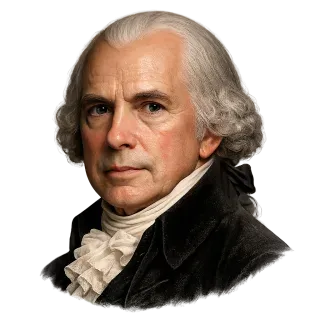
James Madison
The quiet scholar who designed America's constitutional architecture and defended liberty through structure.
Explore James Madison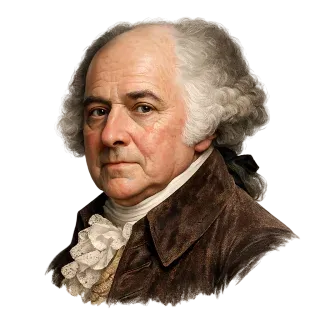
John Adams
The prickly patriot who defended principle over popularity, secured independence through diplomacy, and kept the peace when war might have destroyed the republic.
Explore John Adams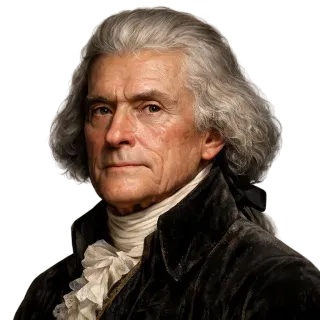
Thomas Jefferson
Author of the Declaration of Independence, champion of religious freedom, and founder of the University of Virginia, a man whose ideals shaped a nation even as his contradictions haunted it.
Explore Jefferson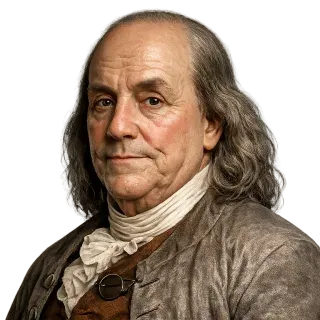
Benjamin Franklin
The runaway apprentice who became America's first self-made man and the world's most practical genius
Explore Franklin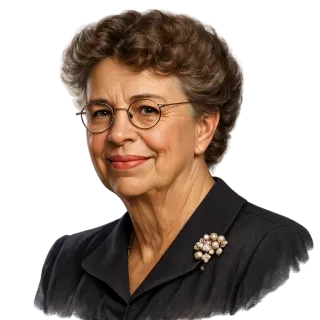
Eleanor Roosevelt
The woman who gave the world a declaration of human rights, and lived its principles every day.
Explore Eleanor Roosevelt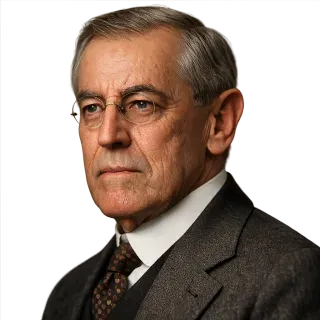
Woodrow Wilson
The scholar-president who sought to remake international order through principle, achieving great reforms yet failing to bring America into the League he championed.
Explore Woodrow Wilson